Pope Leo XIV Welcomes Middle East Ceasefire, Calls for Global Prayer for Peace
In a time of heightened tensions and uncertainty in the Middle East, Pope Leo XIV has expressed profound relief and hope following the announcement of a two-week ceasefire between the United States and Iran.
The Holy Father described the development as a “sign of hope” and emphasized the vital role of prayer and diplomacy in fostering lasting peace.
In a statement issued from the Vatican, Pope Leo XIV invited the global faithful to join him in a Prayer Vigil for Peace on April 11 at St.
Peter’s Basilica, underscoring the moral and spiritual responsibilities of people worldwide in times of conflict.
The ceasefire, aimed at de-escalating rising hostilities in the region, comes after weeks of intense diplomatic efforts.
While the agreement temporarily halts military tensions between the United States and Iran, observers caution that the broader regional dynamics remain fragile.
Nevertheless, the Pope’s endorsement highlights the importance of even small steps toward dialogue and reconciliation.
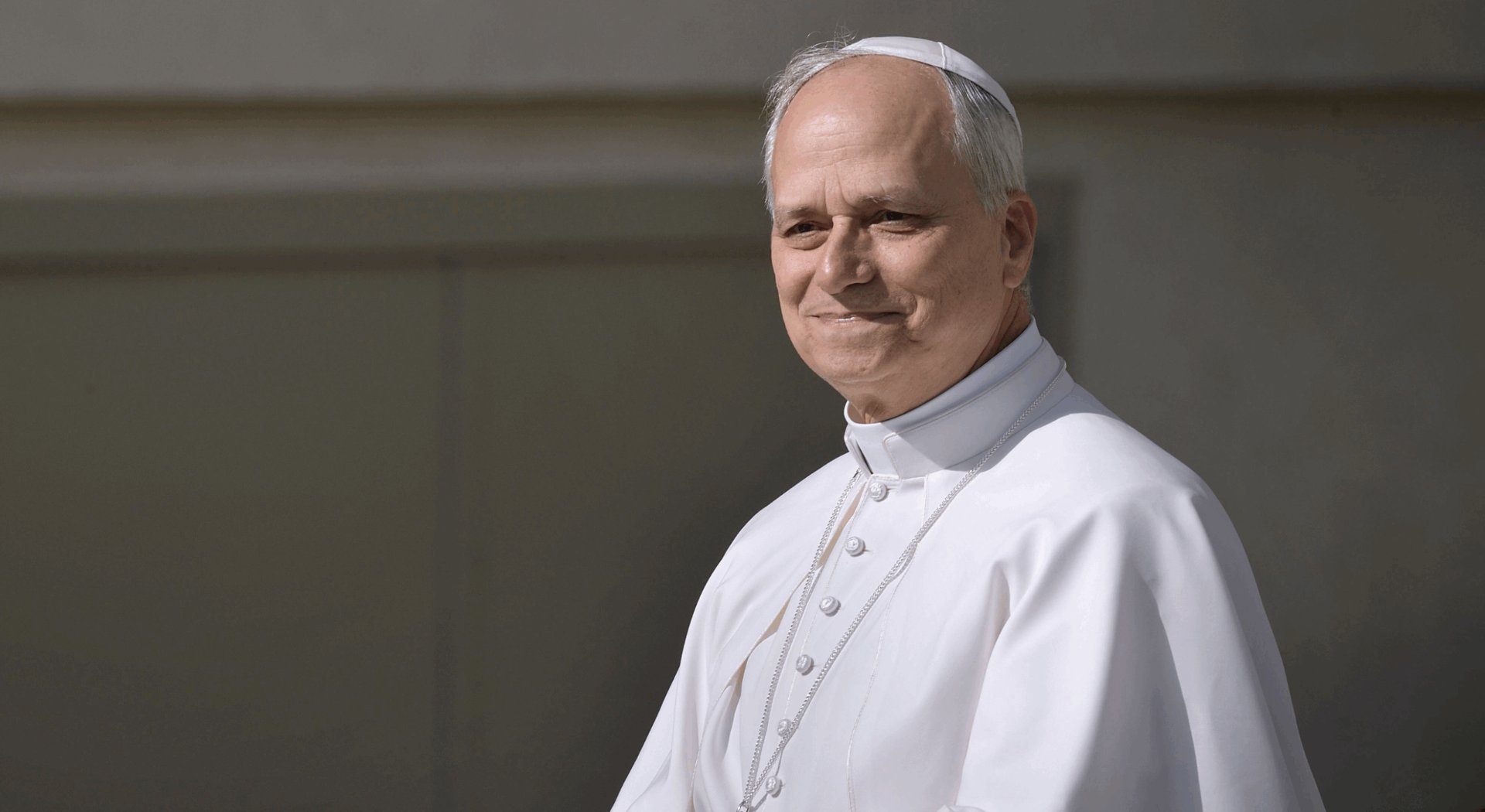
In his statement, Pope Leo XIV emphasized that peace is not solely the result of political negotiations but also a matter of collective conscience and moral commitment.
“We must support all efforts toward dialogue and reconciliation,” he said.
“Prayer is not passive; it is an active force that unites hearts and strengthens the will to act justly and compassionately.
Let us join together in hope for peace in the region and throughout the world.”
The Pope’s call for a global prayer vigil resonates deeply with the Catholic Church’s longstanding tradition of advocating for peace and nonviolence.
Throughout history, successive popes have acted as moral voices in times of international tension, urging leaders and citizens alike to pursue paths that prevent conflict and alleviate suffering.
Pope Leo XIV’s initiative continues this legacy by connecting spiritual reflection with concrete action.
While the ceasefire covers only a two-week period, the announcement represents a critical opportunity for dialogue and potential long-term stability.
However, concerns remain, particularly regarding Lebanon, which was reportedly excluded from the agreement.
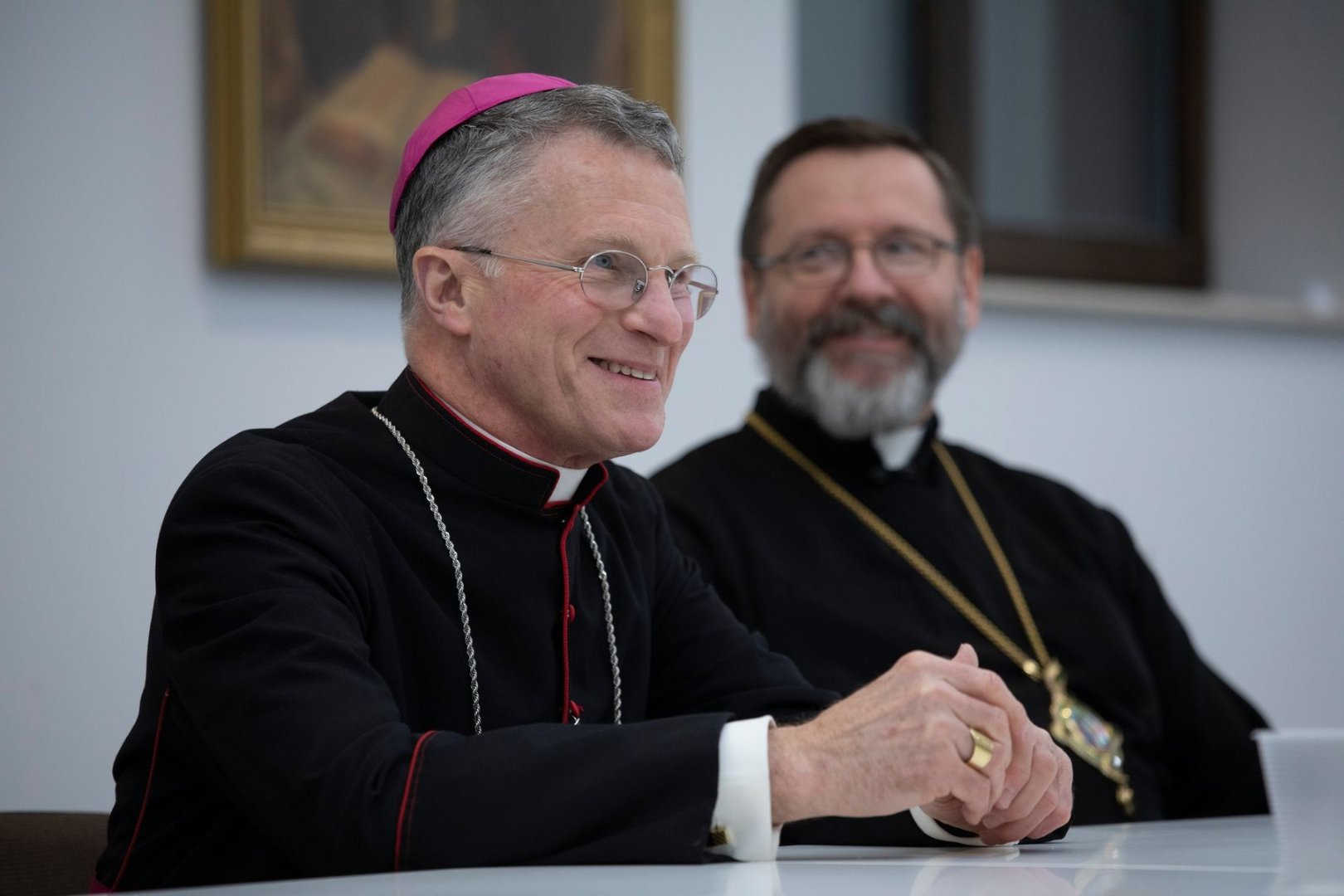
Archbishop Timothy Broglio, who oversees the Archdiocese for the Military Services in the United States, expressed cautious optimism.
“Obviously, I’m happy for anything that might lead us toward peace,” he said.
“I’m glad that at least the two sides are talking to each other and perhaps looking for a solution to avoid any sort of armed conflict and possibly reduce tensions in the area.”
Experts in international relations have noted that temporary ceasefires, while limited in scope, often serve as critical windows for diplomacy.
Such agreements allow for humanitarian aid to reach affected populations, reduce immediate risks of escalation, and provide the groundwork for longer-term negotiations.
By publicly endorsing the ceasefire, Pope Leo XIV brings moral authority to the effort, emphasizing that spiritual leadership can complement political and diplomatic initiatives.
The Vatican has historically played a mediating role in global conflicts, relying on soft power, moral persuasion, and international networks to encourage dialogue.
Pope Leo XIV’s announcement is consistent with this approach but also adds a new layer of public engagement.
By inviting the global community to participate in the April 11 prayer vigil, he transforms the ceasefire from a purely political event into a moment of shared moral responsibility and reflection.
The Pope’s approach also reflects the Catholic Church’s understanding that peace is multidimensional.
It involves not only the absence of war but also the presence of justice, compassion, and opportunity.
By linking prayer with tangible advocacy for peace, Pope Leo XIV encourages the faithful to see themselves as active participants in global reconciliation, capable of influencing outcomes through both spiritual and social action.
Religious leaders and human rights advocates have praised the Pope’s message as timely and necessary.
In a world where political negotiations often seem distant or opaque, moral voices such as Pope Leo XIV’s provide clarity and hope.
His emphasis on prayer as a tool for peace is a reminder that even small acts, when shared collectively, can have a meaningful impact.
The April 11 Prayer Vigil for Peace at St.
Peter’s Basilica is expected to attract thousands of participants, both in person and virtually, from around the world.
The vigil will feature prayers, readings, and reflections focused on fostering understanding, reconciliation, and solidarity with those affected by conflict in the Middle East.
Organizers emphasize that the event is not only for Catholics but welcomes all people of goodwill who seek peace.
As the temporary ceasefire unfolds, the Pope’s message serves as both encouragement and a call to action.
It reminds leaders and citizens alike that peace is fragile, requiring sustained commitment, dialogue, and the courage to choose reconciliation over hostility.
Pope Leo XIV’s public support for the ceasefire and his invitation to collective prayer reflect a holistic vision of peace — one that integrates diplomacy, moral responsibility, and spiritual solidarity.
In a region often marked by cycles of tension and violence, such initiatives provide a beacon of hope.
Pope Leo XIV’s leadership demonstrates that faith can play a powerful role in global affairs, bridging divides and inspiring cooperative efforts.
As the world watches, the Pope’s message is clear: peace is not only achievable, it is a shared responsibility that calls upon each of us to act with compassion, courage, and unwavering commitment.
Through his words and actions, Pope Leo XIV continues to remind humanity that even amid political uncertainty, hope can take root, and through prayer and dialogue, a path toward reconciliation and lasting peace remains possible.