Viral Claims Linking Pope Leo XIV, Pete Hegseth, and U.S. Political Figures Spark Online Controversy
A wave of viral posts circulating across social media platforms has drawn widespread attention by linking religious and political figures in the United States and the Vatican in a highly charged narrative involving alleged statements, military tensions, and moral accusations.
The posts reference the first American-born Pope, identified online as Pope Leo XIV, as well as Pete Hegseth and Donald Trump, presenting a dramatic account that has not been independently verified by credible news organizations.
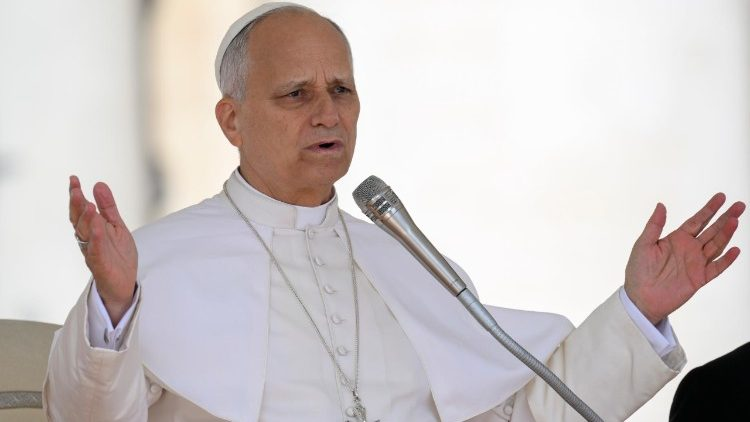
The viral narrative claims that Pope Leo XIV criticized modern warfare and political leadership in unusually direct terms, allegedly stating that Jesus “does not listen to the prayers of those who wage war, but rejects them.”
According to the posts, this statement triggered backlash from U. S. defense circles and political figures.
However, no official Vatican transcript, press release, or verified public address supports the existence of such remarks, and experts have not confirmed the authenticity of the speech attributed to the Pope.
Despite the lack of verification, the story has spread widely due to its emotionally charged framing.
Social media users have amplified the claim that the Pope’s comments represent a moral confrontation with political and military leadership in the United States.
Some versions of the narrative go further, alleging diplomatic tensions between the Vatican and U. S.
defense authorities, though again, no credible evidence has been presented to substantiate these assertions.
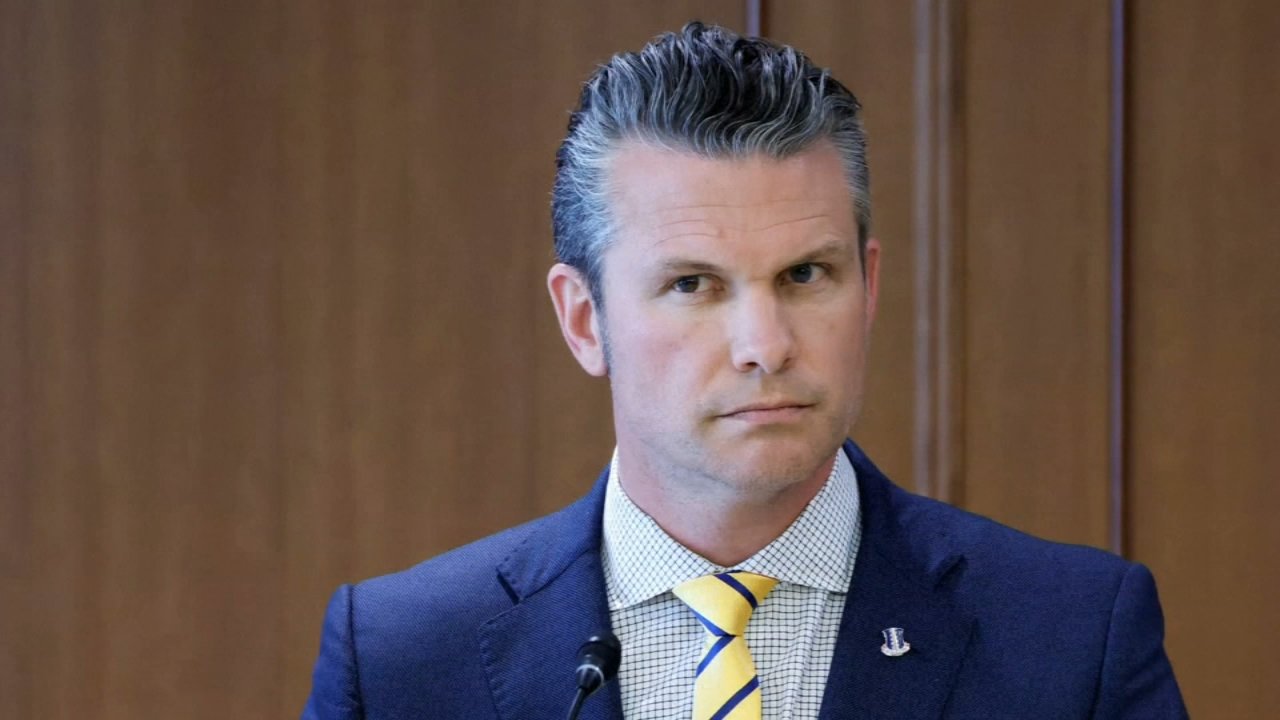
In parallel, the posts also reference controversial statements attributed to Pete Hegseth, portraying him as a figure who supports religious messaging in military contexts while allegedly holding critical views of public expressions of Catholicism.
These claims, however, are similarly unverified in their full context and appear to combine real public commentary with speculative or exaggerated interpretations circulating online.
The narrative intensifies further with references to Donald Trump, alleging extreme statements about foreign policy and military actions.
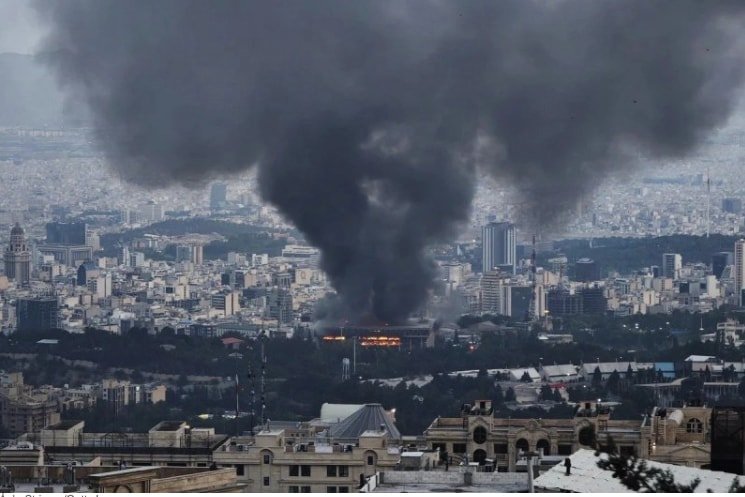
These claims include accusations of threats against civilian infrastructure and references to potential war crimes.
Such allegations are serious in nature, but they are not supported by official documentation or confirmed reporting within the context of the viral posts themselves.
As with other elements of the story, they appear to originate from politically charged online commentary rather than substantiated fact.
At the center of the viral discussion is the figure of Pope Leo XIV, described in these posts as the first American-born Pope in history and a global moral authority representing 1.
4 billion Catholics.
The narrative frames him as a voice of opposition to war and political violence, placing him in symbolic conflict with U.
S. political leadership.
However, it is important to note that there is no verified historical record of a Pope by this name holding the papacy, suggesting that the content is either fictional, speculative, or part of a broader misinformation trend.
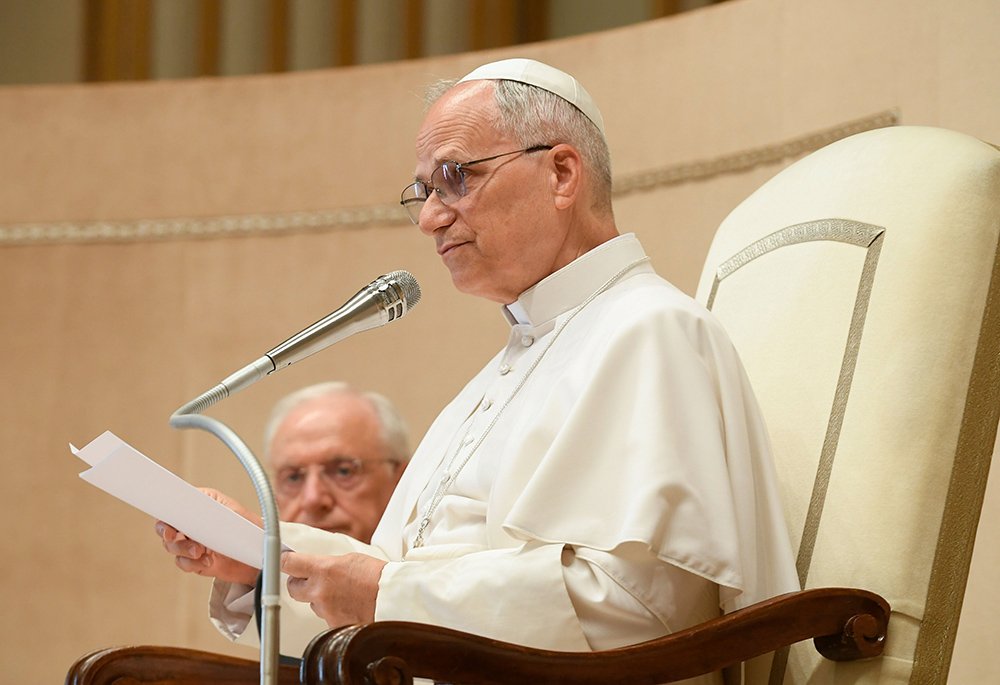
Religious experts emphasize that papal statements on war and peace are typically delivered through carefully documented homilies, encyclicals, or official Vatican communications.
These are archived and widely reported by international media.
The absence of such records further casts doubt on the authenticity of the viral claims.
Meanwhile, analysts of online misinformation note that narratives combining religion, politics, and conflict tend to spread rapidly due to their emotional intensity.
The blending of real public figures with unverified quotes creates a sense of plausibility that can make such content difficult for casual readers to evaluate critically.
In this case, the inclusion of high-profile names and global institutions has contributed to the speed and scale of dissemination.
The Vatican has not issued any statement confirming the alleged remarks or diplomatic tensions described in the viral posts.
Likewise, U. S.
defense officials and political figures referenced in the narrative have not acknowledged or responded to the specific claims circulating online.
Observers also point out that the structure of the story reflects common patterns in viral misinformation: dramatic speeches attributed to prominent leaders, alleged secret conflicts between institutions, and emotionally charged moral framing.
These elements are often designed to provoke strong reactions and encourage sharing, regardless of factual accuracy.
Despite this, the conversation surrounding the posts has sparked broader discussions about the role of religious leadership in global politics, the influence of military institutions, and the ethical responsibilities of public figures when addressing war and peace.
Even when claims are unverified, they often reflect underlying public concerns about authority, transparency, and accountability.
As the narrative continues to circulate, fact-checkers and analysts urge caution.
Readers are advised to verify extraordinary claims through reliable news organizations and official institutional statements before drawing conclusions or sharing content further.
In conclusion, while the viral posts connecting Pope Leo XIV, Pete Hegseth, and Donald Trump have generated significant online engagement, there is currently no credible evidence supporting the specific events or quotations described.
The situation highlights the ongoing challenge of distinguishing between fact, interpretation, and fiction in the digital information landscape, especially when religion and politics intersect in emotionally powerful ways.