A Nation Confronts Its Reflection: The Viral Jasmine Crockett Moment That Reignited America’s Debate on Race, Power, and Leadership

A Political Firestorm Erupts: Jasmine Crockett’s Explosive Message That’s Forcing America to Confront Its Deepest Divisions
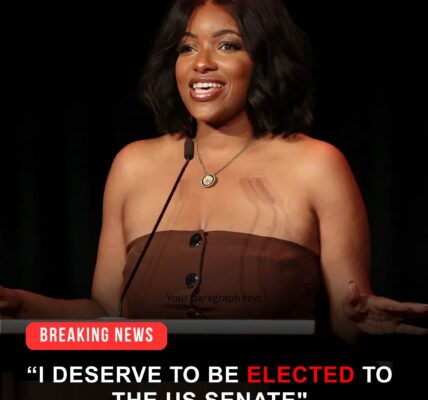
A new political flashpoint is tearing through social media, television panels, podcasts, and online communities after Congresswoman Jasmine Crockett delivered one of her sharpest and most uncompromising critiques of Donald Trump to date. The viral clip — now circulating widely across X, TikTok, Facebook, and YouTube — has triggered a wave of emotion, outrage, and intense national debate.
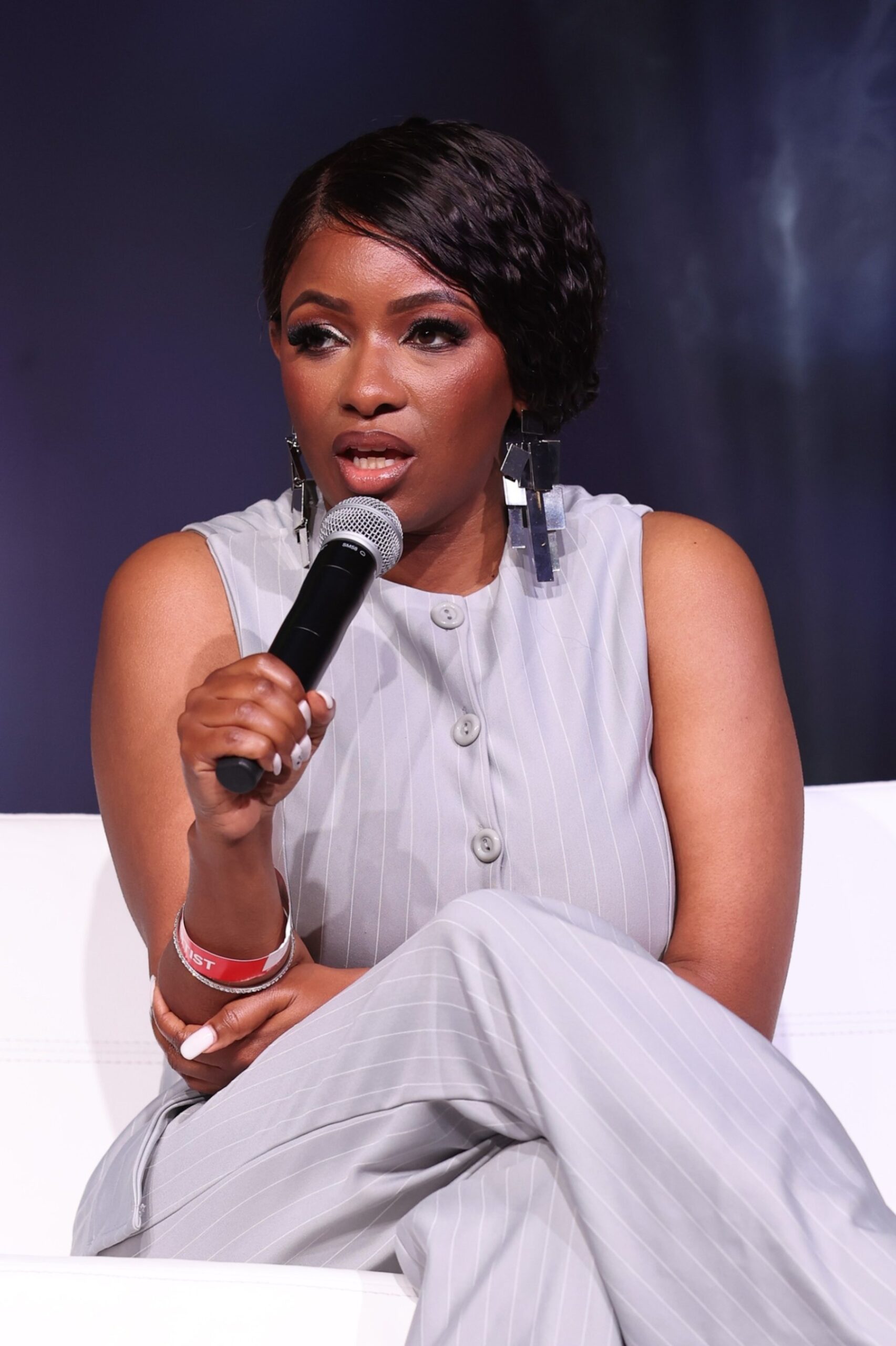
And it all began with Crockett’s opening warning:
“This isn’t about moments. This is about a pattern — a pattern America has been afraid to confront.”
From the first seconds of the video, it was clear she was not holding back. Crockett argued that Trump’s behavior over the years should not be viewed as “gaffes,” isolated controversies, or off-hand comments taken out of context. Instead, she framed it as what she described as a decades-long pattern of rhetoric that inflames division, fuels fear, and dehumanizes marginalized groups.
Then she dove straight into the example that has resurfaced time and time again: the infamous Central Park Five case from the late 1980s.
Back then, five Black and Latino teenagers were accused of brutally attacking a jogger in Central Park. Before their trial had even begun, Trump — a rising real estate figure in New York — purchased full-page newspaper ads calling for the return of the death penalty. Years later, the teens were proven innocent. Their convictions were vacated.
To Crockett, the moment symbolized something much deeper. She described it as an early sign of “reckless, dehumanizing judgment” — a moment that shaped her argument that Trump’s actions are not random, but consistent.
But she didn’t stop there.
Crockett went on to highlight the multiple civil rights lawsuits filed decades ago against Trump’s real-estate businesses, alleging racial discrimination in housing. Trump and his representatives have always denied the allegations, and some cases were settled without an admission of wrongdoing. Still, Crockett pointed to the pattern of accusations as part of the broader issue she was raising.
Then came her critique of Trump’s inflammatory comments about immigration, his remarks about African nations, and statements she and many others have long argued contributed to rising resentment and fear.
However, the most explosive section of Crockett’s message — the part now being replayed endlessly across news platforms — centered on her accusation that Trump has repeatedly failed to clearly and decisively denounce white supremacy.
Her voice sharpened.
Her tone hardened.
The studio went silent.
“When you refuse — again and again — to denounce white supremacy clearly, the message is loud. And it is dangerous,” she said.
According to Crockett, the lack of direct condemnation has allowed extremist movements to feel validated, empowered, and welcomed. She argued that this silence — combined with certain staffing and political decisions throughout Trump’s time in public office — sent signals that were “deeply troubling” for a nation still grappling with issues of racial inequality.
Within hours, the video exploded in visibility.
Millions watched.
Millions commented.
Millions chose a side.
Supporters Rally: “She Said What Many Have Felt for Years.”
Almost immediately, prominent civil-rights advocates, political commentators, and everyday Americans flooded the internet with messages of support. To them, Crockett wasn’t attacking Trump for personal gain — she was articulating frustrations and fears that many communities have been living with for decades.
One viral post on X read:
“She didn’t exaggerate — she told the truth people have been forced to live with.”
Another user wrote:
“Crockett said what others have been too afraid to say out loud.”
Supporters praised her boldness, saying her message forced the country to confront painful historical and political realities that are often ignored or brushed aside.
For many, this moment was not about Trump alone — but about the deeper systems and structures of racism, resentment, and political rhetoric that shape American life.
Critics Push Back: “She’s Pouring Fuel on the Fire.”
But the backlash was just as fierce.
Within conservative circles, Crockett’s remarks were labeled divisive, unfair, and politically motivated. Critics argued that she was rehashing old controversies, misrepresenting history, or using emotionally charged language at a time when political tensions are already dangerously high.
A commentator on a major conservative network responded:
“This kind of rhetoric tears the country apart. It doesn’t bring people together.”
Others argued that many of Crockett’s claims lacked nuance or ignored positive actions taken during Trump’s presidency.
Some said she was inflaming racial divisions rather than easing them.
Some said she was pushing a narrative meant to energize her political base.
And still others insisted the conversation should move beyond the past.
But regardless of which side people took, no one could deny one thing:
Jasmine Crockett had struck a national nerve.

A Conversation Bigger Than Trump
The power of Crockett’s message lies not just in her criticism of Trump, but in the broader issues she forces onto the table:
Race.
Leadership.
Accountability.
The weight of political rhetoric.
The deep and unresolved wounds of American society.
Her remarks come at a moment when the nation is already fractured by economic pressure, cultural battles, and an upcoming election that many believe could reshape the political landscape for a generation.
Crockett’s viral video has become something larger than a political attack.
It has become a mirror — one many Americans are deeply uncomfortable looking into.
The debate is no longer simply:
“Did she go too far?”
The new, more haunting question is:
“Is America ready to face the issues she raised?”
Whether viewed as an act of courage or a spark of division, Crockett’s message is forcing the country to confront realities it cannot continue avoiding.
And as she said at the end of her statement:
“This conversation is reshaping America — and ignoring it won’t make it go away.”