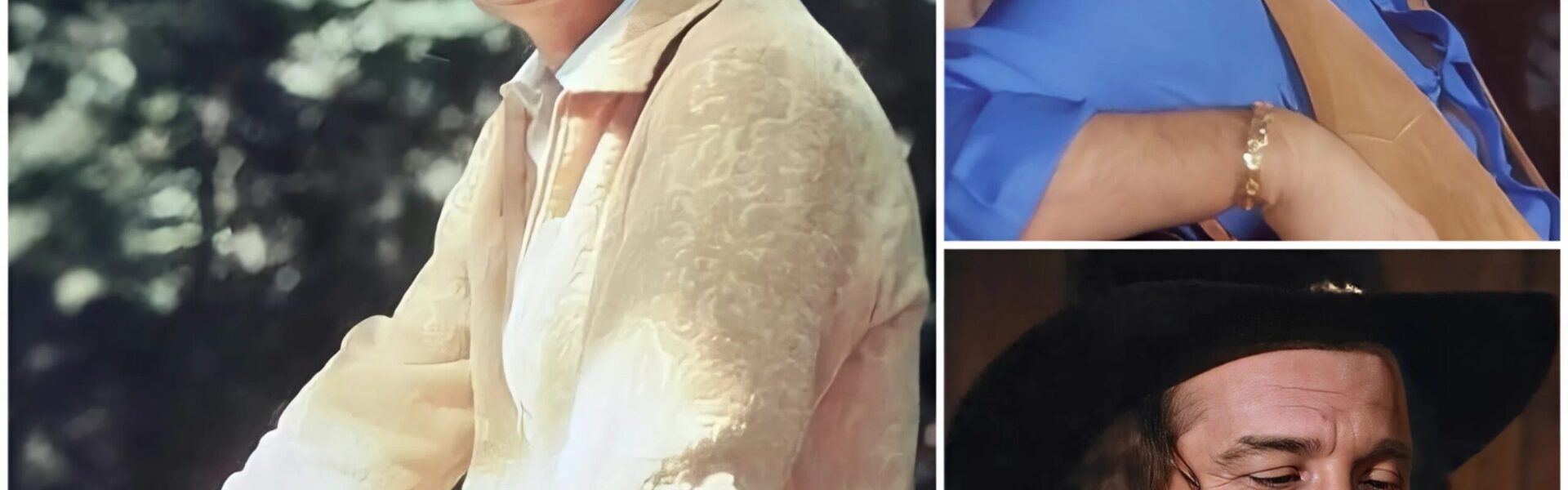

Waylon Jennings – “Shine”: A Defiant Anthem of Survival and Identity
In November 1981, Waylon Jennings released “Shine”, a lean and defiant single that marked a pivotal moment in his career. Coming at a time when the outlaw country movement he helped define was starting to cool, the song reflected Jennings’ refusal to be diminished by critics, personal struggles, or the shifting musical landscape. Running just under three minutes, “Shine” reads like a manifesto from a man whose rough reputation was already cemented: friends called him “the only fool my daddy ever raised,” yet Jennings declared he would shine regardless of who misunderstood or doubted him.

The track was later included on Jennings’ album Black on Black, released in early 1982 under RCA Victor and produced by longtime collaborator Chips Moman. Jennings recorded the song in Moman’s Nashville studio during a turbulent period of his life. Financial difficulties, nonstop touring, and a growing cocaine habit were taking a toll, yet he managed to channel his experiences into music. In his autobiography, Jennings admitted to spending vast sums on drugs while maintaining an oversized road crew, yet Black on Black still climbed the Billboard country albums chart, with “Shine” emerging as one of its standout moments.
Commercially, “Shine” achieved exactly what a comeback single needed to do. It reached the Top 5 on the Billboard Hot Country Singles chart, spending more than three months on the survey, and climbed to No. 1 on Canada’s RPM Country Tracks chart. The single was initially paired with “White Water” on the B-side of its 45 rpm release and later included in compilations such as the Nashville Rebel box set, ensuring that Jennings’ work reached new generations of listeners.

One of the most powerful aspects of “Shine” lies in how it condenses Jennings’ public image into a compact, radio-ready story. The song’s narrator confronts critics who never understood his “rough and rowdy ways,” insisting that his upbringing and life experiences made him who he was. Rather than apologize for his stubbornness or rebellious nature, Jennings leaned into it, asserting that these traits would ultimately make him shine brighter. The repeated refrain of “shine, shine, shine” is less a boast than a survival instinct—a declaration from someone who had been underestimated and written off too many times but refused to disappear.
Musically, the song rides on a firm country backbeat supported by electric guitars and steel, leaning toward the polished radio outlaw style rather than the raw honky-tonk sound of Jennings’ early recordings. While some critics considered Chips Moman’s production too slick, the sheen complements the song’s message: a man pushing through chaos and excess to achieve clarity. Jennings’ baritone sits firmly atop the groove, relaxed yet unyielding, and the arrangement allows each line to land with impact, turning a simple verse-chorus structure into a statement of character.

“Shine” also gained a foothold in pop culture beyond the country charts. A brisk, bluegrass-flavored version of the track was used in the closing credits of the 1981 film The Pursuit of D. B. Cooper, connecting Jennings’ voice to the legend of the mysterious hijacker who vanished into thin air. This version retained the song’s core attitude: a wry, self-aware outlaw determined to assert himself on his own terms, whether touring the country or pursuing metaphorical adventures.
Looking back, “Shine” stands as a snapshot of Waylon Jennings at a crossroads. The outlaw movement was being absorbed into the mainstream it once rebelled against, and Jennings’ personal life was dangerously unbalanced. Yet in this song, he sounds focused and almost optimistic, turning his struggles and reputation into creative fuel. While it may not have been his biggest hit, the track captures the stubborn spark that kept Jennings touring, recording, and reinventing himself long after musical trends shifted, proving that his promise to shine was more than just a catchy hook.

Lyrically, the song emphasizes resilience and self-assurance. Jennings confronts critics and celebrates simple joys—living free, loving well, and trusting in luck and hard work. Lines like “With a little luck and greenback dollar, you’re gonna see me shine” encapsulate both his optimism and his grounded perspective, creating a theme that resonates with anyone striving to rise above obstacles.
Ultimately, “Shine” exemplifies Waylon Jennings’ ability to translate his life experiences into music that is both personal and universal. It is a defiant, yet heartfelt, anthem of survival, individuality, and determination, reminding listeners that even when the world doubts you, persistence and authenticity can make you shine.