
Recent online rumors claimed that billionaire Elon Musk was not invited to a high-profile tech leaders’ summit hosted by former President Donald Trump at the newly renovated Rose Garden of the White House. The speculation immediately caught the attention of social media users, but Musk himself quickly dismissed these claims, clarifying the situation.
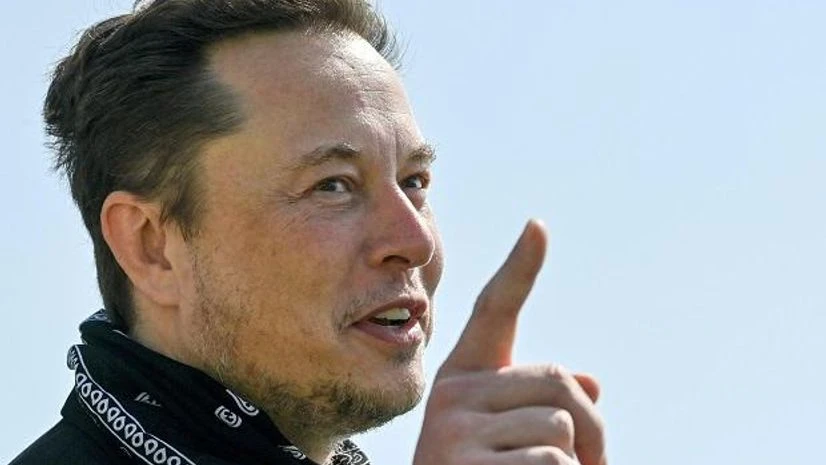
Speaking on Thursday, Musk confirmed that he had been invited to the summit but would not be attending in person. “I was invited, but unfortunately I cannot attend. My representative will be present,” Musk replied to a Twitter user who questioned why leaders of xAI, SpaceX, and Tesla were not on the guest list.

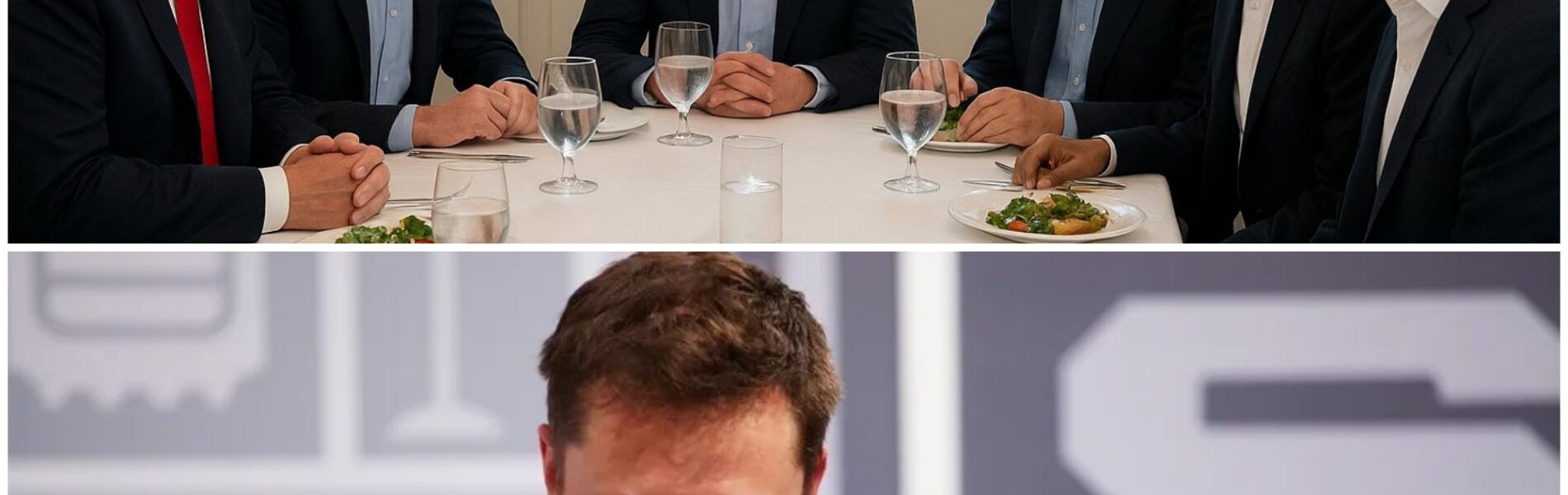
According to a White House official, the guest list for Thursday’s event included CEOs of major tech companies, including Mark Zuckerberg of Meta, Tim Cook of Apple, Bill Gates of Microsoft, Sundar Pichai of Google, and Sam Altman of OpenAI. Musk’s invitation, although he chose not to attend personally, may indicate that his relationship with the White House is warming again.
Elon Musk has historically maintained a close relationship with Donald Trump, often being described as one of the former president’s most influential technology advisors. However, their relationship experienced tensions after Musk stepped down from the Government Performance Office earlier this year, leading to a public and somewhat awkward split during the summer. Despite this, recent statements from both Trump and Vice President J.D. Vance suggest that Musk’s presence and influence are once again welcomed within Republican circles.
During a podcast conversation with CNN contributor Scott Jennings, President Trump described Musk as “a generally good person” who “went off track a bit.” Trump added, “He’s 80% super genius and 20% still has some issues. Once he resolves that 20%, he’ll be incredible. I liked him then, and I still like him now.” These remarks underscore the complicated but enduring connection between the tech billionaire and the former president.
Vice President J.D. Vance also weighed in on Musk’s political standing, calling the relationship “complex.” In an interview with Gateway Pundit, Vance expressed hope that Musk would support the Republican Party ahead of the midterm elections next November. “My argument to Elon is simple: you cannot side with the left, even if you wanted to — which you don’t — because they will not side with you. That ship has sailed. I truly think distancing yourself from the president was a mistake,” Vance said.
Musk has also softened his public criticism of the administration on X (formerly Twitter) and, in some cases, has even signaled support. For instance, last month, he reacted with a fire emoji and laughing-crying face emoji to a post by White House communications adviser Margo Martin, which included a caption: “President @realDonaldTrump shows President Zelenskyy and President Macron his 4-more-years hat.” This indicates that Musk is cautiously engaging with the administration in a public yet subtle way.
)
Some analysts suggest that Musk’s invitation might also serve as a form of “historical recompense.” Musk was notably excluded from the Electric Vehicle Summit in 2021 during President Joe Biden’s administration, reportedly because Tesla is a non-unionized company. Musk openly expressed frustration over being overlooked on that occasion, highlighting his perception of bias against Tesla despite its dominance in electric vehicle production.
On Thursday, Musk even reposted a 2023 interview in which he criticized Biden for allegedly undermining Tesla while praising General Motors as leading the EV revolution. Musk commented on the video, saying: “I try not to stir things up, but I always end up finishing them.” His statement suggests that while Musk has a contentious history with political figures, he remains unafraid to express his opinions publicly, blending humor, critique, and strategic positioning.
The renewed invitation to the White House tech summit could signal a strategic rapprochement. Musk’s involvement, even through a representative, highlights the administration’s recognition of his influence across multiple technology sectors, from artificial intelligence to space exploration. The billionaire’s companies — including xAI, Tesla, and SpaceX — have a substantial impact on both the American economy and global technological innovation, making his insights valuable in discussions with political leaders.
Furthermore, Musk’s presence, even indirectly, underscores the ongoing intersection between high-tech innovation and political influence. In recent years, Musk has increasingly been recognized not just as an entrepreneur but also as a figure capable of shaping policy debates, whether through his ventures in AI, renewable energy, or space exploration. His relationships with politicians, whether cooperative or contentious, remain a barometer of how the tech industry engages with government policy at the highest levels.
Musk’s nuanced approach — acknowledging the invitation but delegating attendance to a representative — allows him to maintain influence without fully committing to political optics. This move demonstrates both strategic restraint and an understanding of the delicate balance between private enterprise and public politics.
In conclusion, while social media rumors initially suggested that Elon Musk had been excluded from the Trump tech summit, the reality is far more nuanced. Musk was invited but chose not to attend personally. The event, attended by leading figures from some of the world’s largest technology companies, reflects the growing importance of dialogue between innovators and policymakers. Musk’s response, along with supportive statements from Trump and Vance, indicates that his relationship with Republican leadership is stabilizing, positioning him once again as a key player at the intersection of technology and politics.

As the political landscape continues to evolve, Musk’s actions — both in-person and online — will be closely watched, reflecting broader questions about how influential entrepreneurs interact with government, shape public discourse, and maintain strategic relevance in the ever-changing world of American politics.