45 Years After the Silence: The Life, Pain, Genius, and Immortal Legacy of John Lennon

45 Years After the Silence: The Life, Pain, Genius, and Immortal Legacy of John Lennon 💛
Lennon was not only the founder of the greatest band of all time — The Beatles — but also an icon of the peace movement, a multi-talented artist whose songs continue to echo across generations.
He once said, “Life is what happens when you’re busy making other plans,” a simple yet profound truth that reflects a man who lived for music, love, and the dream of a world where peace wasn’t just an idea, but an active choice.
And yet, December 8 marks 45 years since that dreamer was stolen from the world — a single gunshot ending the life of a 40-year-old man who had already achieved 25 No.1 hits in the U.S. and helped create over 600 million records with The Beatles.
But what haunts most is not the number of records, awards, or interviews — it’s the deafening silence he left behind.
Childhood in the Dark
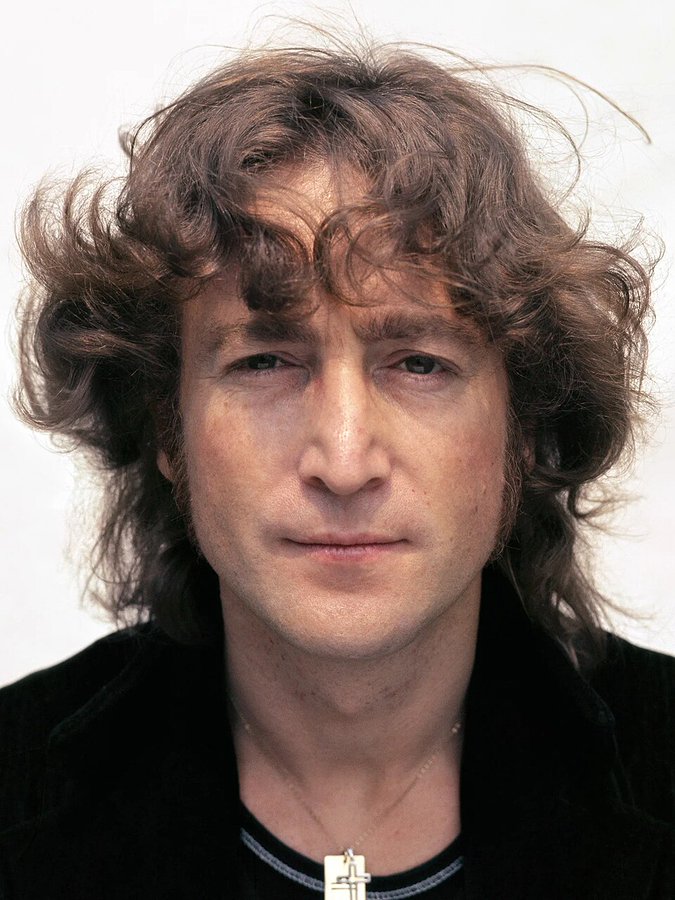
Lennon’s early life was marked by loss, abandonment, and instability — wounds that would later fuel his creativity and shape the raw honesty of his music.
Born in wartime Liverpool amid the bombs of World War II, he grew up in a fractured family. His father, Alfred Lennon, a sailor, abandoned the family and vanished for long stretches of time. His mother, Julia, had a joyful spirit but lived too freely to provide consistent care, leading the family to entrust John to Julia’s older sister, Mimi Smith.
Mimi’s husband, George Smith, became a gentle father figure — but he died suddenly when John was still a boy.
Just as Lennon began rebuilding his relationship with his mother in his teenage years, tragedy struck again.
In 1958, Julia was killed by a drunk driver on Menlove Avenue — just steps from the home where Lennon lived with Aunt Mimi.
A few years later, one of his closest friends and the Beatles’ original bassist, Stuart Sutcliffe, died unexpectedly from a brain hemorrhage.
Loss after loss.
Wound after wound.
These scars forged the emotional core of Lennon’s creativity. His song “Julia” on The White Album was a grieving son speaking to a mother who vanished like smoke in the wind.
He later said:
“I was the one other boys were warned about. Their parents — including Paul’s dad — told them to stay away from me. They knew I didn’t conform.”
The chaos of his youth gave him his edge — a voice equal parts harsh and vulnerable, a personality both rebellious and brilliant.
Aunt Mimi infamously mocked his dream of becoming a musician:
“The guitar is all right, John… but you’ll never make a living out of it.”

Years later, Lennon bought her a house using the very money she said he’d never make — and hung her quote on the wall.
Journey to the Top — and a Man Transforming
From the ashes of a troubled youth, Lennon discovered music — and a life-changing partner in 1957:
Paul McCartney.
Together they formed The Beatles, and together they changed the world.
By the late 1960s, however, Lennon felt suffocated by fame, commercial expectations, and the polished image the band could no longer maintain. He longed to explore avant-garde art, political activism, and deeply personal projects.
“I think we’ve come to the point where we need to go our separate ways,” Lennon said in 1969.
“We’ve grown up.”
The Beatles disbanded in 1970, and though it was painful, it allowed Lennon to confront his own identity beyond the phenomenon he helped create.
The Solo Years — Pain, Honesty, and Love
His album John Lennon/Plastic Ono Band (1970) stripped away every mask.
It was raw.
It was brutally personal.
It was Lennon facing his demons with no armor.
“All music is repetition,” Lennon once said.
“I’m influenced by whatever is going on inside me.”
And his inner world was changing.
By 1975, after the birth of his son Sean, Lennon transformed again — this time into a full-time father. He called these years “borrowed time,” a gift he refused to waste. He baked bread, changed diapers, and stayed out of the spotlight.
“There are two forces: fear and love,” he said.
“When we love, we open ourselves up to life.”
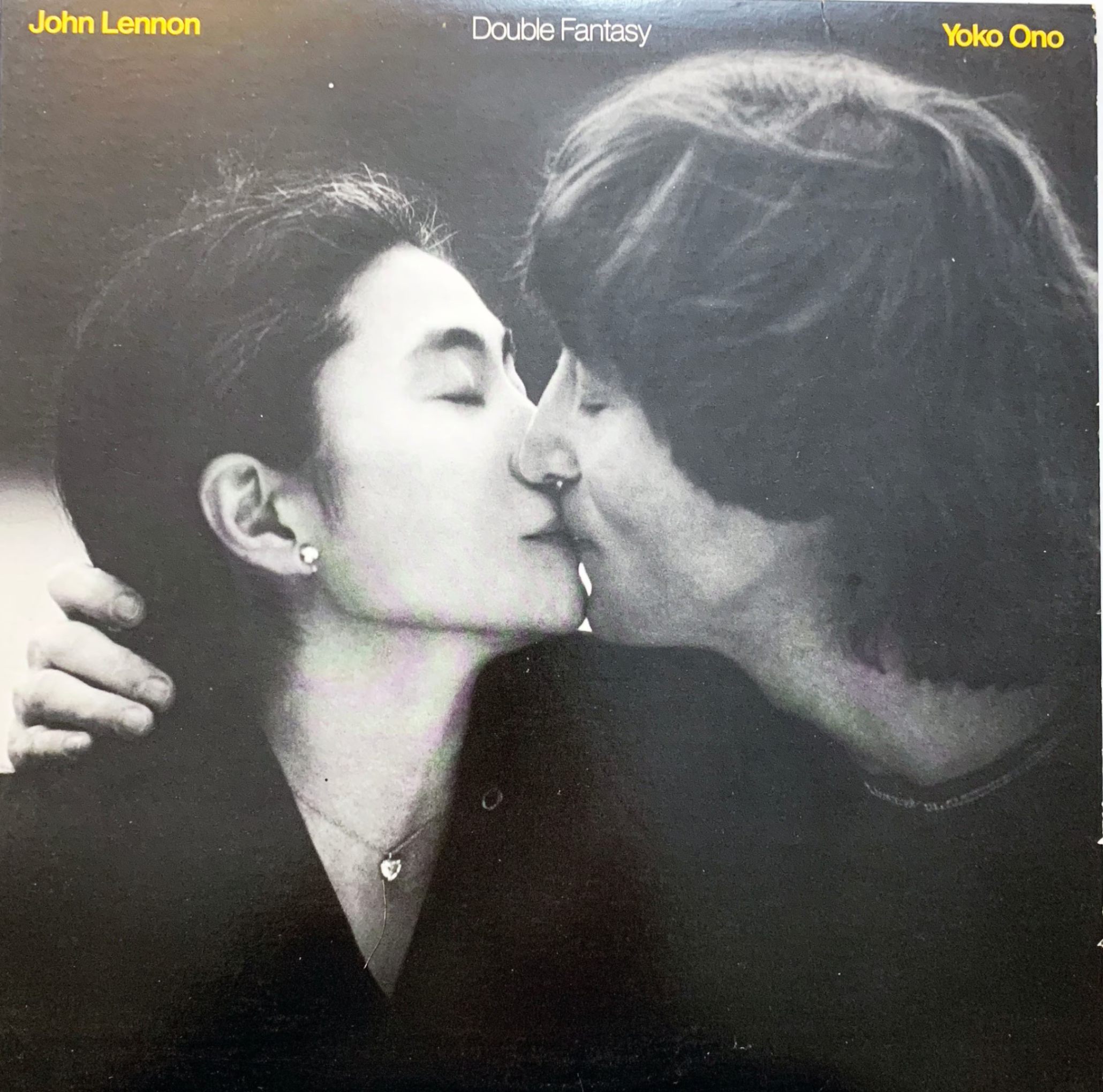
In 1980, he returned to music with Double Fantasy, full of hope and renewal.
“I feel like I’m starting all over again,” he said.
Those words — painfully — became prophetic.
December 8, 1980 — The Day the World Stopped
Just weeks after the release of Double Fantasy, Lennon was shot outside his New York home by Mark David Chapman.
The world froze.
Millions wept.
The peace movement lost its loudest voice.
In a cruel twist, Lennon himself had once predicted:
“We’re either going to die in a plane crash or be shot by a madman.”
Forty-five years later, the shock remains.
Paul McCartney — A Brother Left Behind
Every year, Paul McCartney marks December 8 privately.
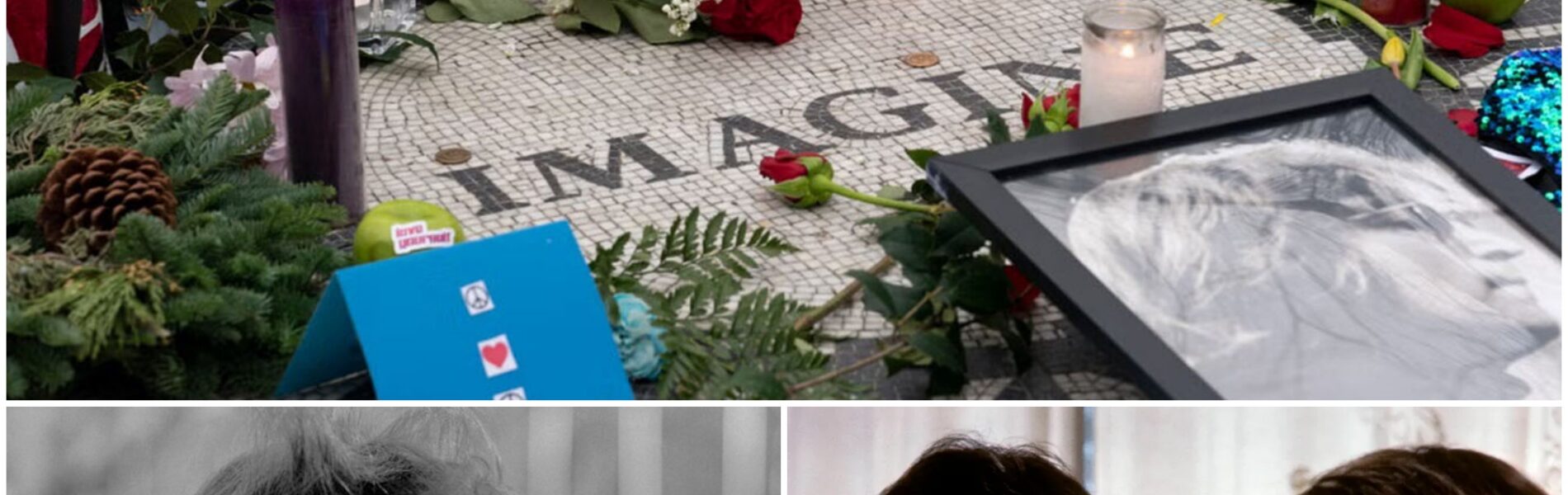
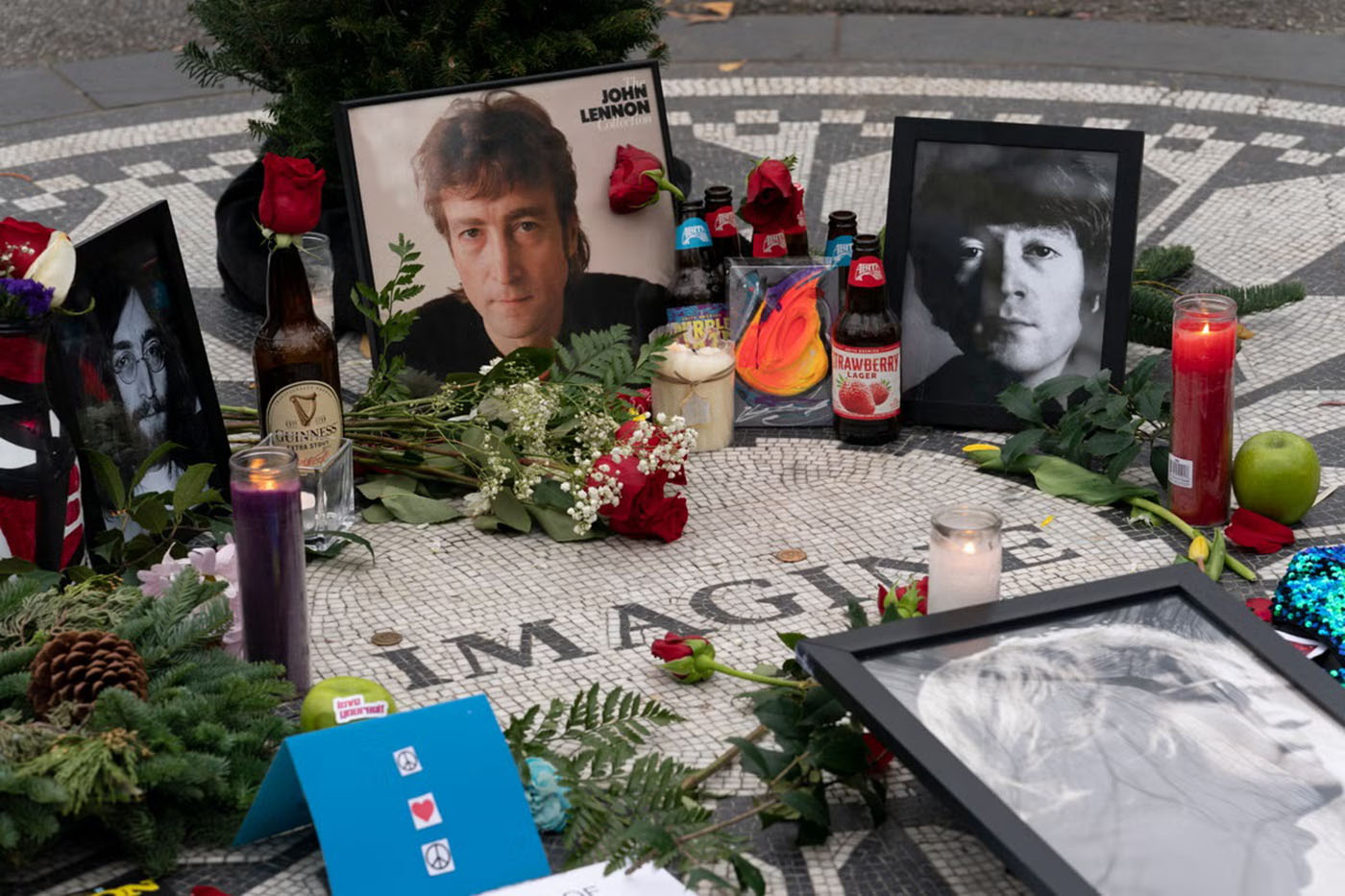
This year, witnesses say he quietly visited Strawberry Fields in Central Park, standing alone, head bowed, as Imagine played faintly through a crowd of mourners.
Friends say Paul whispered:
“I still miss you, mate… every single day.”
Two boys from Liverpool.
One dream.
One loss.
A lifetime of longing.
A Legacy That Refuses to Fade
Lennon’s influence endures not only through music but through his activism, his art, his words, and the hope he planted in millions.
He painted.
He wrote poetry.
He experimented with art and sound.
But nothing defined him more than his fight for peace.
His masterpiece “Imagine” remains the global anthem for dreamers:
“You may say I’m a dreamer, but I’m not the only one.”
Worldwide Tributes — 45 Years Later
New York
The 45th annual John Lennon tribute takes place at Town Hall, raising funds for families affected by cancer and students learning Lennon’s music.
Prague
A recreated Lennon Wall filled with peace messages becomes the centerpiece of a months-long celebration.
London, Liverpool, Tokyo, Buenos Aires
Vigils, concerts, murals, and candlelit gatherings unite fans across continents.
Strawberry Fields, Central Park
Thousands gather, singing “Imagine” with candles and yellow roses.
Paul McCartney’s quiet visit adds a heartbreakingly personal touch.
New Projects That Keep Lennon Alive
▪ The Beatles Anthology reissued in 2025 with 1,300 rare photos
▪ Borrowed Time: Lennon’s Last Decade documentary featuring never-before-seen interviews with Paul
▪ Sam Mendes’ four Beatles biopics (2028 release)
▪ Lennon’s vocals restored with modern AI, letting fans hear him as if he were recording today
These projects reaffirm that Lennon’s voice — both literal and symbolic — refuses to fade.
The Most Successful Musician in History
With 25 U.S. No.1 hits, Lennon remains one of the most successful and influential songwriters ever.
In most rankings of the greatest singer, guitarist, or songwriter in rock, Lennon appears at the very top — rivaled only by McCartney or by the band they built together.
Forty-Five Years After the Gunshot — Lennon Still Lives
Every candle.
Every mural.
Every whispered “Imagine…”
Every tear shed by Paul McCartney.
Every dreamer who believes the world can be kinder.
All of it proves one thing:
John Lennon died in seconds —
but his legacy has lived for 45 years…
and will live for centuries more.