Johnny Depp “Freedom Farm” Mansion Story Goes Viral — But Evidence Points to a Recycled, Unverified Claim

It’s the kind of headline that spreads fast—part celebrity news, part inspirational parable. But when you look for verifiable reporting, the feel-good narrative quickly runs into a wall. As of late November 2025, there is no solid public evidence that Depp has inherited such a property, launched a retreat called “The Freedom Farm,” or announced anything resembling this project through official channels.

What the viral posts claim
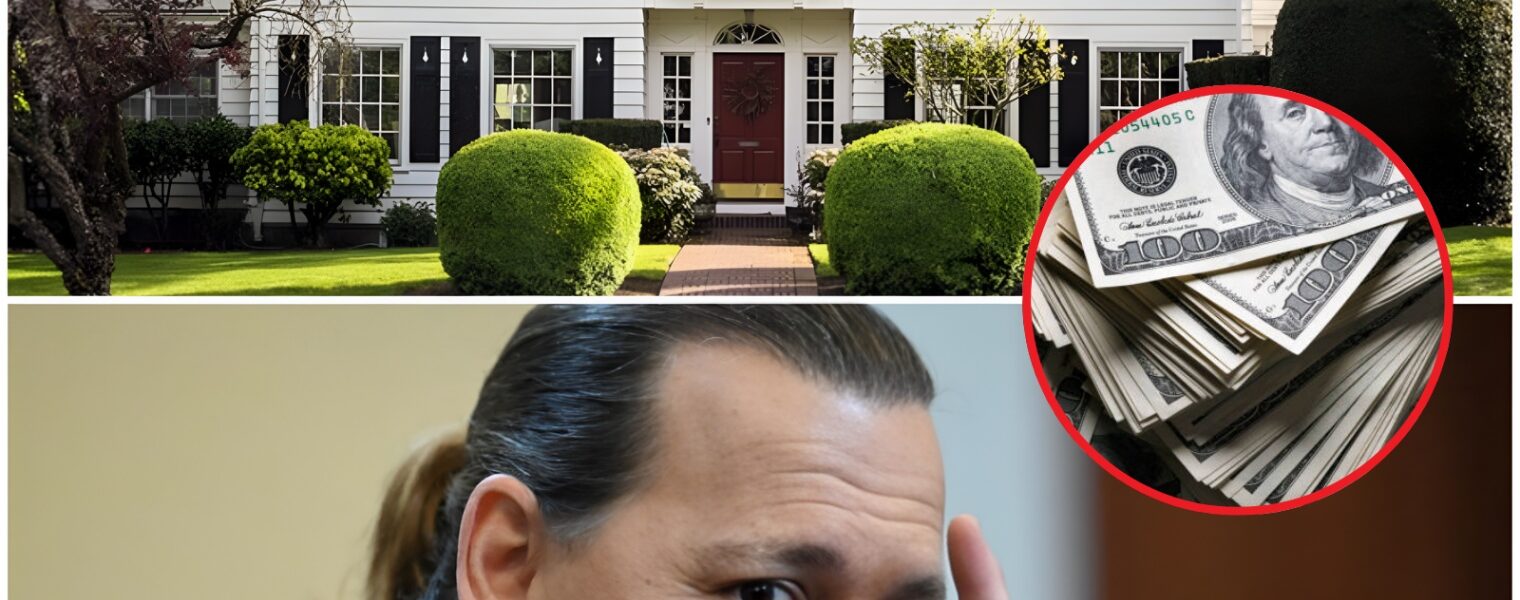
Across Facebook pages, TikTok voiceovers, and YouTube shorts, the story follows the same arc. Depp allegedly receives a grand estate valued at $25 million, declines to live in it, and instead dedicates the property to a charitable mission: mental-health and reintegration retreats for veterans, residencies for financially struggling artists, and emergency refuge for families in crisis. The tone is cinematic and personal, implying a quiet act of generosity that “shocked fans” and “restored faith in humanity.”
Many versions end with a prompt like “details in comment,” a common engagement tactic that encourages users to click, share, and argue without showing sources.
The biggest issue: there are no credible sources
Despite the story’s reach, no reputable entertainment outlet has reported it. There are no press releases, charity registrations tied to Depp, verified interviews, or statements on his official social media confirming such an inheritance or initiative. In celebrity news, major philanthropic projects—especially those involving millions of dollars in property—almost always generate traceable coverage from established media. The silence here is telling.
This absence is especially notable because Depp remains one of the most monitored figures in Hollywood. His professional life, travel, and personal statements routinely make headlines, so a project of this scale would be difficult to miss if real. (New York Post)
A clear sign of recycling: the same story exists with other celebrities
Perhaps the most revealing clue is that this exact narrative already exists online with different names swapped in. A near word-for-word version about inheriting a “$25 million countryside mansion” and transforming it into “The Freedom Farm” recently circulated under the name of another celebrity (Kid Rock), and the site presenting it explicitly describes it as a fictional, inspirational story. (JTSPORTSNEWS)

You can also find similar “Freedom Farm” posts attached to other entertainers, using the same structure, the same dollar amount, and even the same phrasing. (Mai Oldies Music) This pattern—template stories repeatedly refreshed by swapping celebrity names—is a well-documented strategy in viral clickbait. It creates a constant stream of “new” feel-good headlines without requiring any reporting at all.
The “Freedom Farm” name is real—just not connected to Depp
Another reason the story feels plausible is that “Freedom Farm” sounds like something that already exists. In fact, several real organizations with similar names do run veteran-support farm retreats in the U.S. (Freedom Farm)
But none of these groups list Depp as a founder, donor, or ambassador. The viral posts appear to borrow a real-world charitable concept and attach it to a celebrity for emotional punch.
Why people want to believe it
Even if unverified, the story hits cultural nerves that are very real.
First, Depp’s public image has shifted in recent years. After a long stretch of legal battles and reputational turbulence, his supporters often see him as someone who has suffered publicly and deserves a redemption arc. A headline about turning inherited wealth into service fits that desired narrative perfectly.
Second, audiences are increasingly skeptical of celebrity excess. Stories where famous people reject luxury for altruism are easy to share because they feel like moral wins—simple proof that goodness still exists in a cynical news cycle.
And third, the post taps into genuine respect for veterans and for artists who struggle financially. Even readers who are unsure about the details may share it because they support the idea it represents.
The risk of feel-good misinformation
Not all misinformation is hateful or political. Some of it is “inspiration bait.” But it still carries consequences:
-
It misleads people into accepting fiction as news.
-
It hijacks attention from real charities doing real work.
-
It erodes trust in online information overall, making it harder for true stories to break through.
-
It can unfairly affect reputations, because celebrities are credited—or criticized—for actions they never took.
A story can be emotionally uplifting and still be false. Sharing it as fact doesn’t help the causes it claims to serve.
What we can say with confidence right now
Based on available evidence:
-
There is no verified record of Depp inheriting a $25 million mansion.
-
There is no verified announcement of a Depp-run retreat called “The Freedom Farm.”
-
The story appears to be a recycled viral template, previously published as fiction with other names. (JTSPORTSNEWS)
That doesn’t mean Depp is incapable of generosity, or that he will never support something like this. It simply means this specific headline is not confirmed, and repeating it as reality is unreliable.
Bottom line
The “Johnny Depp turns $25 million mansion into Freedom Farm” story is best understood as a viral, feel-good claim with no credible sourcing and strong signs of template recycling. The values it promotes—service, humility, care for veterans and families—are admirable. But values don’t require invented facts to matter.
If the story inspires you, a good next step is to channel that inspiration toward real veteran or artist-support organizations that are verifiably operating today. That way the hope is grounded in truth, and the impact is real.