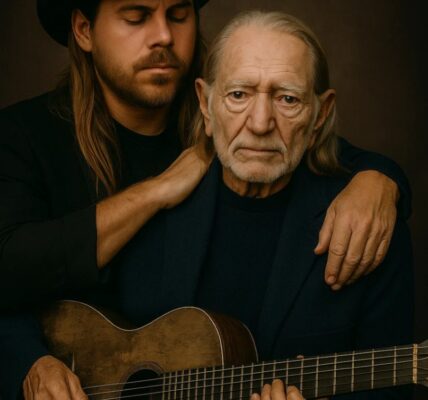

Waylon Jennings’ Songbird: A Timeless Voice From the Outlaw Era
“FROM THE 1970s TO 2025—WAYLON STILL KNOWS HOW TO STOP TIME.”
Hearing Waylon Jennings’ voice again after all these years feels almost unreal. The release of Songbird on October 3, 2025, reveals a gentler, more introspective side of Jennings, one that many fans had only glimpsed before. Unlike a typical posthumous album, Songbird doesn’t announce itself as new—it feels like someone quietly unlocked a drawer he closed back in 1984, letting decades of forgotten light spill out.
These tracks were recorded between 1973 and 1984, during Jennings’ wild, defiant outlaw years with the Waylors. Yet in Songbird, and especially its title track, the music turns inward. There’s a tenderness here that surprises listeners, a quiet reflection that feels timeless. When Jennings’ voice enters, it’s softer than fans remember—a little worn, a little hopeful, and deeply human. It’s the kind of sound that makes you pause, breathe, and reflect. Two decades after his passing, he’s still reaching out—and somehow, it still feels entirely new.

A Gentler, More Introspective Jennings
The opening track, “Songbird,” serves as both the album’s title and its emotional centerpiece. Unlike the driving outlaw country sounds that defined Jennings’ career, this song is intimate and reflective. It offers a rare glimpse into the private side of a man whose public persona was often defined by leather, rebellion, and the open road.
Lyrics and performance blend seamlessly in “Songbird” to create a moment of genuine vulnerability. Jennings’ seasoned voice—shaped by years on the road yet still warm and steady—reflects on connection, comfort, and the grounding influence of someone or something that lifts him above life’s noise. The bird metaphor becomes particularly powerful, symbolizing freedom and devotion: wings that wander, yet a heart that returns home. For fans familiar with both flight and homecoming, the imagery resonates deeply, carrying a sense of longing that transcends time.
Musical Craftsmanship and Careful Restoration

The arrangement of “Songbird” emphasizes reflection over showmanship. The production, carefully restored by Jennings’ son Shooter Jennings, retains an inviting analog warmth. Gentle pedal steel lines, understated piano, and intimate background harmonies create a soundscape that feels personal and unforced. Critics have praised the track as “a stunning version … featuring weepy pedal steel, piano, and relaxed vocals from Jennings,” highlighting the performance’s ability to quietly draw listeners closer rather than demand attention.
This careful restoration bridges decades of recording technology while preserving the authenticity of Jennings’ artistry. The result is a listening experience that feels both classic and immediate—a private moment shared between artist and audience.
Emotional Stillness Amid Outlaw Legend

For longtime fans, Songbird provides a rare sense of stillness. After years defined by roaring crowds, speeding highways, and the legend of the outlaw, Jennings’ voice here pauses long enough for listeners to notice the softer moments: the subtle emotion, the quiet longing, the humanity.
The song is a reminder that a lasting legacy isn’t built solely on rebellion or volume. Instead, it can also be shaped by trust, tenderness, and the hope that someone will keep your music alive when the spotlight dims. “Songbird” doesn’t seek to redefine Jennings—it adds depth to who he always was, revealing a reflective, almost meditative side hidden beneath the leather jackets and barroom tales.
Legacy Preserved Through Time
Songbird also underscores the careful stewardship of Jennings’ musical legacy. Shooter Jennings’ production choices honor his father’s voice and vision, presenting it authentically without overproduction. The album allows listeners to experience Jennings not as a larger-than-life outlaw, but as a man capable of quiet yearning and introspection—a duality that enriches the legend rather than diminishes it.
Fans who have followed Jennings’ career for decades can hear familiar nuances, yet discover something entirely new: a side of Jennings that had been waiting in the shadows for decades, now illuminated for all to hear.

Conclusion: A Voice That Still Resonates
Decades after his passing, Waylon Jennings’ voice continues to captivate. Songbird doesn’t just celebrate the past; it offers a timeless message of reflection, tenderness, and human connection. In “Songbird,” fans are reminded that behind the outlaw persona existed a man capable of deep emotion and quiet strength.
Listening closely, one can sense Jennings reaching across time, offering listeners not just music, but a shared experience of hope, longing, and continuity. Even in 2025, Waylon Jennings still knows how to stop time—and in the process, he invites us to pause, breathe, and truly listen.