POST VANISHES FAST! A controversial post allegedly targeting Caitlin Clark appears to have vanished — but WNBA fans had already seen enough to send the situation into overdrive.

The Indiana Fever’s season may be over, but the tension surrounding the franchise clearly is not.
Only days after the team was eliminated from the playoffs, a cryptic social-media post began circulating among WNBA fans. At first glance, it looked like another vague Instagram Story—the kind of message that might normally disappear without attracting much attention.
Then fans began examining who allegedly posted it.
That changed everything.
Screenshots spread across X. Old clips involving Caitlin Clark were pulled back into the conversation. Speculation about the Fever coaching staff intensified.
And then, according to those following the story online, the original post disappeared.
That was enough to send an already volatile fanbase into another round of questions.
But before turning a deleted Instagram Story into evidence of some larger conspiracy, there is an important distinction to make.
The screenshots are real enough to have generated coverage, and Natasha Harris is publicly identified as Briann January’s wife. But the meaning of the post—and whether it was specifically aimed at Clark, Indiana Fever fans, or another subject—has not been independently established.
That ambiguity is exactly why the story has become so combustible.
One Cryptic Message Was All It Took
The post that triggered the reaction reportedly included language suggesting that accusations could not be defeated because “receipts” had been kept.
On its own, that is vague.
There was no direct mention of Caitlin Clark in the wording widely circulated.
There was no explicit reference to Fever fans.
There was no detailed accusation against the organization.
But online users quickly connected it to the ongoing debate surrounding Indiana, Clark and the atmosphere around the franchise.

Sportskeeda reported that fans began reacting after a screenshot of Harris’ Instagram Story circulated, connecting it to already-existing rumors of tension involving Clark and Fever assistant coach Briann January.
That is where the story moved from a mysterious post to something potentially uncomfortable for the Fever.
Because January is not merely another former player commenting from the outside.
She is part of Indiana’s coaching staff.
Briann January’s Connection to Indiana Runs Deep
January currently serves as an assistant coach under Stephanie White, according to the Fever’s official coaching roster.
Her connection to the organization goes much further back than that.
She spent a significant portion of her playing career with Indiana, won a championship with the franchise and later returned as a coach.
That history makes any controversy involving someone close to her unusually sensitive.
Harris, meanwhile, is not simply an anonymous social-media account.
She and January married in 2021 after getting engaged the previous year, according to previous reporting on their relationship. Harris also has a basketball background of her own and has worked in education, consulting and collegiate athletics.
So when screenshots attributed to her began circulating, fans immediately treated the post as potentially connected to January’s professional environment.
That connection is understandable.
The conclusions being drawn from it are much less certain.
Why Caitlin Clark Was Immediately Pulled Into the Story
Clark’s name entered the conversation because fans have spent much of the season analyzing interactions between her and Indiana’s coaching staff.
Animated sideline exchanges are common in professional sports.
Players disagree with coaches.
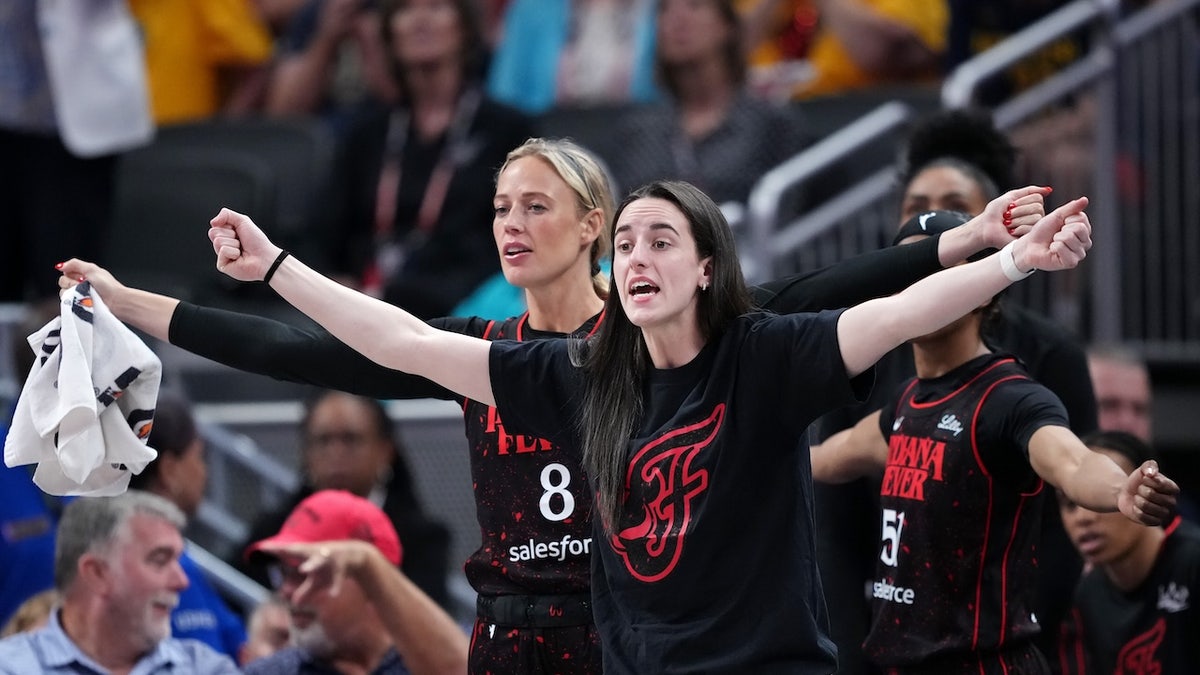
Coaches challenge players.
Tempers rise during close games.
Clark herself is highly competitive and visibly emotional during games, meaning almost every interaction involving her can become a viral clip.
Yet social media often removes that context.
A brief disagreement becomes a “feud.”
A frustrated look becomes evidence that someone “hates” someone else.
And once that narrative exists, almost any unrelated post can be interpreted through it.
There is currently no reliable public evidence establishing that January and Clark have a serious personal rift.
That does not mean every interaction has been perfect.
It means the stronger claim has not been proven.
The same caution should apply to Harris’ post.
The Timing Made Everything More Explosive
The bigger reason the message caught fire may have little to do with the exact wording.
It appeared during a week when Indiana’s fan culture had already become one of the biggest conversations in the WNBA.
Fever general manager Amber Cox had publicly defended the organization’s supporters after months of criticism.

Cox said attacks on the fanbase had “no basis in reality,” while acknowledging that individuals who cross behavioral lines should be held accountable. She also said no fan had been removed during the season for violating the WNBA’s Fan Code of Conduct.
Those comments immediately produced pushback.
Former Fever player Brianna Turner publicly called Cox’s characterization “unequivocally false,” saying players inside and outside the organization had raised complaints about parts of the fanbase.
Then Kelsey Mitchell added another layer.
Mitchell said during her exit interview that playing in Indiana could be emotionally difficult because of the scrutiny surrounding Clark and because some fans did not always embrace every player on the team.
She referenced hateful direct messages and the strain that constant attention can create.
Suddenly, the Fever were having a very public conversation about themselves.
Not about basketball schemes.
Not about free agency.
About culture.
That Context Changed How Fans Read the Post
Against that backdrop, a vague message about accusations and saved “receipts” was almost guaranteed to be interpreted as commentary on the same issue.
Some fans assumed it supported criticism of Fever supporters.
Others interpreted it as an attack on Clark.

Still others believed it referred to supposed internal tension between Clark and members of the coaching staff.
None of those interpretations has been conclusively established.
That matters because the viral YouTube commentary goes considerably further, presenting the post as though it clearly insulted Clark and suggesting January’s coaching future could be threatened by it.
There is no credible evidence at this point that Indiana is considering firing January because of her wife’s social-media activity.
There is also no evidence that the Fever have publicly disciplined January over the situation.
Those claims remain speculation.
The Alleged Deletion Only Made Things Worse
Then came the detail that guaranteed the story would continue.
The post was reportedly no longer available.
In the internet era, deleting something rarely ends the discussion.
It usually intensifies it.
Screenshots remain.
People begin asking why it was removed.
Some interpret deletion as regret.
Others treat it as proof that the original message meant exactly what they suspected.
But deletion itself proves very little.
A person might remove a post because it was misunderstood.
Because attention became overwhelming.
Because it was intended for a smaller audience.
Or because they simply changed their mind about leaving it online.
Without Harris explaining the decision herself, assigning a motive is guesswork.
The Fever Have a Bigger Problem Than One Instagram Story
What makes this story significant is not necessarily the post.
It is how quickly people believed the post might represent something larger.
That tells us just how fractured the conversation surrounding Indiana has become.
Clark is one of the biggest stars in American sports.
That has brought enormous growth to the Fever.
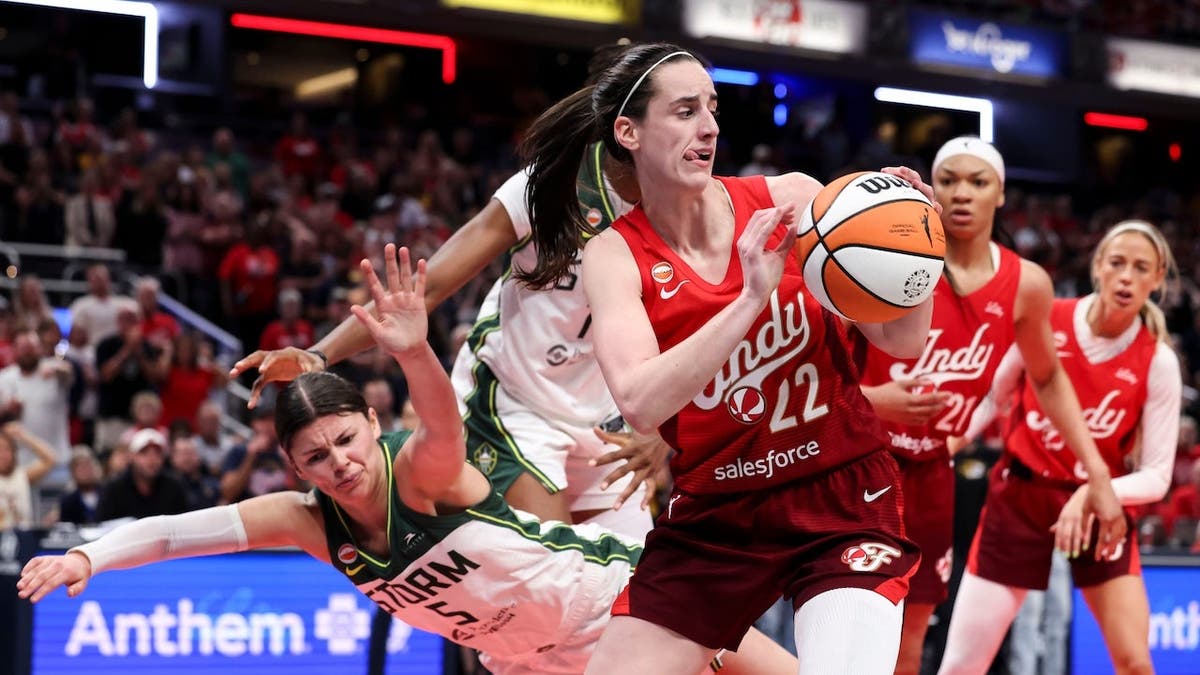
It has also created an environment where teammates, coaches, fans and opponents can become characters in a larger online battle they did not necessarily choose.
One group believes Clark is routinely disrespected by the league.
Another believes the attention surrounding her creates unfair pressure on everyone else.
Some Fever players have publicly described painful experiences with sections of the fanbase.
Meanwhile, management has pushed back strongly against broad descriptions of Indiana supporters as a problem.
All of those tensions now coexist.
So a vague Instagram post does not remain vague for very long.
What We Actually Know
We know Briann January is an Indiana Fever assistant coach.
We know Natasha Harris is publicly identified as her wife.
We know a screenshot attributed to Harris circulated widely enough to generate reporting and online reaction.
We know Indiana is currently dealing with a highly public disagreement over its fan culture.
What we do not know is equally important.
There is no confirmed evidence that Harris wrote the message specifically about Caitlin Clark.
There is no confirmed evidence that January privately shares whatever interpretation fans are placing on the post.
And there is no confirmed evidence that January’s coaching job is in danger because of it.
That may make the story less explosive than the viral headline suggests.
But it actually makes the situation more revealing.
The Internet Has Already Made Its Decision
The phrase repeated throughout the YouTube commentary is that “the internet will give it and the internet will take it away.”
In this case, the internet did something else.
It filled in the blanks.
A cryptic post appeared.
Fans supplied a target.
Old clips supplied a backstory.
The Fever’s larger controversy supplied context.
And the disappearance of the post supplied another mystery.
By the end, an ambiguous Instagram Story had become part of an alleged feud involving Caitlin Clark, Briann January, the coaching staff and the entire Indiana fanbase.
That story may eventually become clearer.
Harris could explain what she meant.
January could address it.
The Fever could respond.
Until then, the safest conclusion is also the least dramatic one.
There is clearly tension around the Fever right now.
But one deleted social-media post is not enough to prove who that tension is really directed at.
And in a season where almost everything connected to Caitlin Clark becomes magnified, that distinction matters more than ever.
