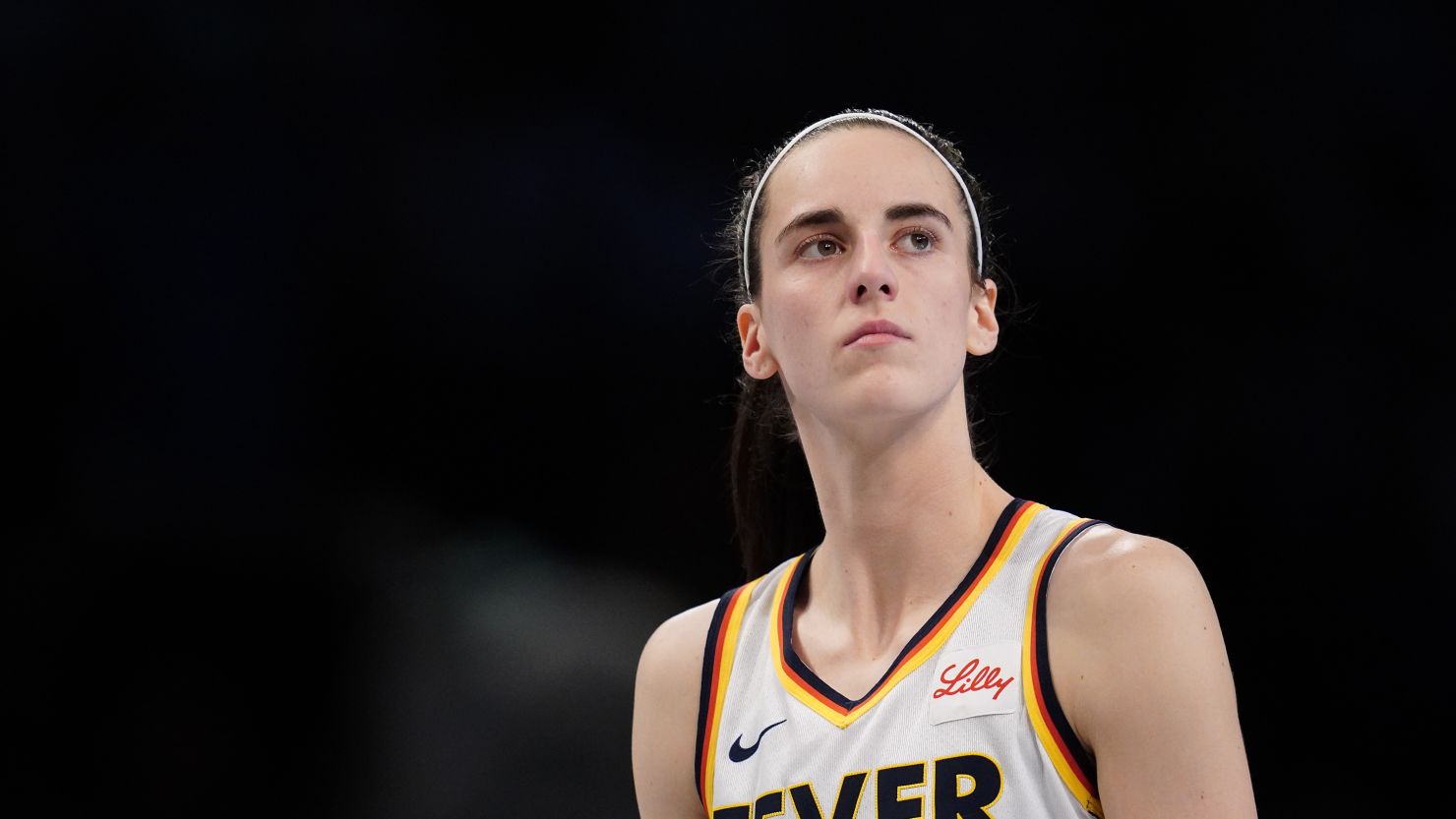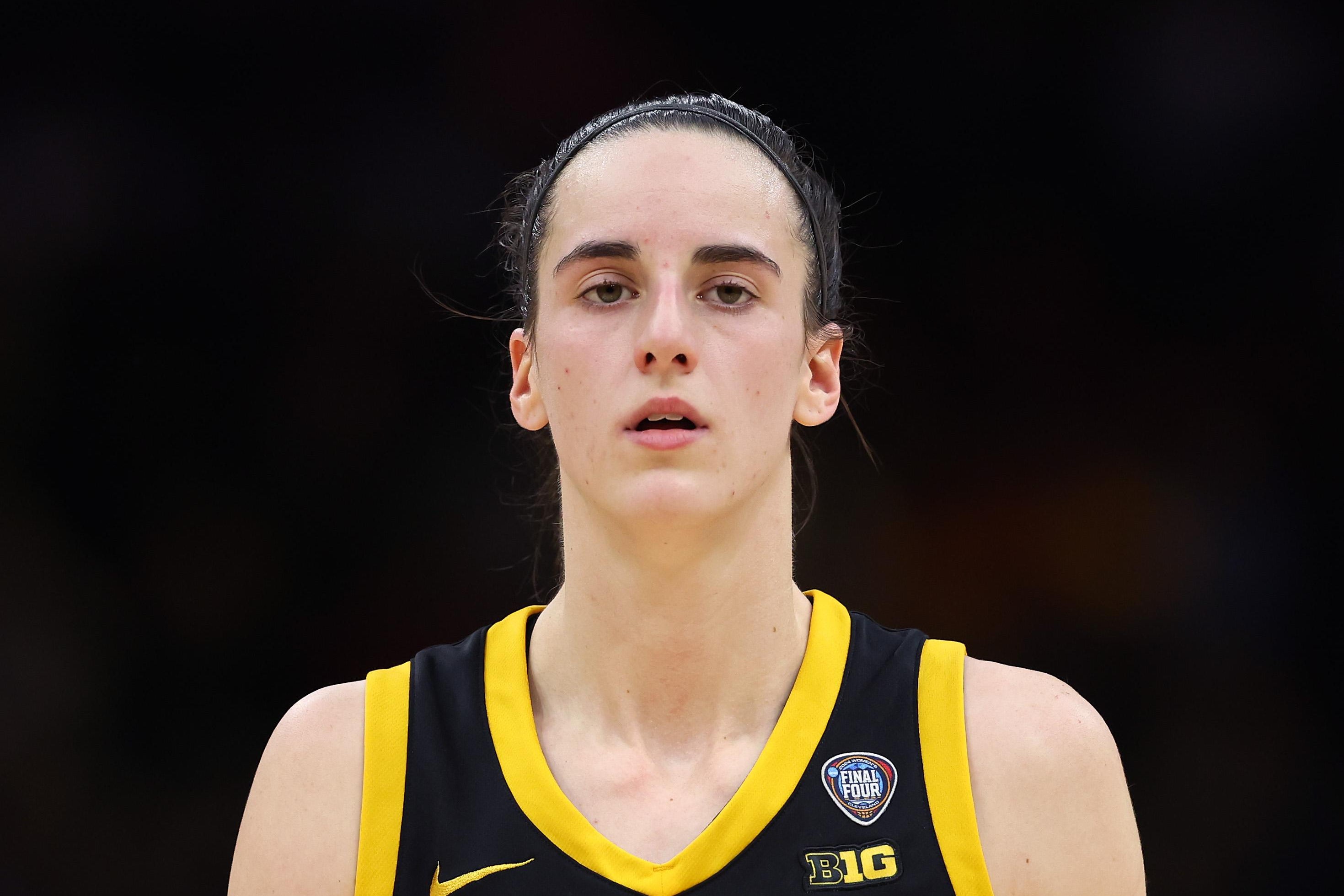
Caitlin Clark did not enter the WNBA quietly. She arrived with noise, expectations, and a level of attention rarely placed on a rookie. From sold-out arenas to record-breaking television ratings, Clark was introduced not just as a basketball player, but as a symbol — of growth, of change, of a league searching for its next defining star.
And with that symbolism came an invisible burden.
From the opening tip of her professional career, Clark has played under a microscope. Every shot she takes is clipped, slowed down, debated. Every miss is replayed. Every loss is dissected. In a league built on teamwork, her performances are often treated as individual verdicts on her worth, her hype, and her legitimacy.

A Rookie Who Was Never Allowed to Be One
Most rookies are granted grace. They are expected to struggle, to adjust to faster defenses, stronger bodies, and more complex schemes. Mistakes are labeled as “part of the process.”
Caitlin Clark, however, was never offered that luxury.
When she misses a deep three, critics say she is forcing shots.
When she passes instead of shooting, they accuse her of shrinking under pressure.
When she scores efficiently but her team loses, the narrative becomes “empty stats.”
When she struggles, the conclusion is swift: the hype was fake.
The same actions that would be dismissed as normal growing pains for other players become defining moments for Clark. She is not judged as a rookie learning the league, but as a product that must immediately justify its price tag.
Why Every Shot Feels Like a Trial
Clark’s shooting range made her famous. It also made her a target.
Defenses are built specifically to stop her. She faces double teams at half court, constant physical pressure, and defenders whose sole mission is to disrupt her rhythm. Yet when her shooting percentages dip, context disappears.
Rarely discussed is the fact that no other rookie commands the same defensive attention. Rarely acknowledged is how difficult it is to maintain efficiency when every possession is designed to deny you space.
Instead, her misses become evidence — proof for some that her game “won’t translate,” that she cannot survive without the freedom she had in college.

When Team Losses Become Individual Blame
Basketball is the ultimate team sport. Wins and losses are shaped by rotations, coaching decisions, defensive breakdowns, and chemistry developed over time.
But when Caitlin Clark’s team loses, those factors fade into the background.
The loss becomes hers.
Headlines ask what Clark failed to do. Social media dissects her body language. Pundits question her leadership. In this environment, accountability becomes distortion — a simplification that turns collective struggles into personal flaws.
The question is no longer “How did the team perform?”
It becomes “What does this loss say about Caitlin Clark?”
The Media Needs Her — And That Is the Problem
The WNBA has benefited enormously from Caitlin Clark’s presence. Attendance is up. Ratings have surged. New audiences are watching women’s basketball for the first time.
But this dependence creates a dangerous dynamic.
When a league needs a star too much, it stops allowing that star to be human.
Clark is not just playing for wins; she is carrying narratives, projections, and financial expectations. Every performance is framed as a referendum on the league’s marketing strategy rather than a step in a long career.
In this sense, the same media machine that elevated her has also tightened the pressure around her neck.
Confidence vs. Arrogance — A Double Standard
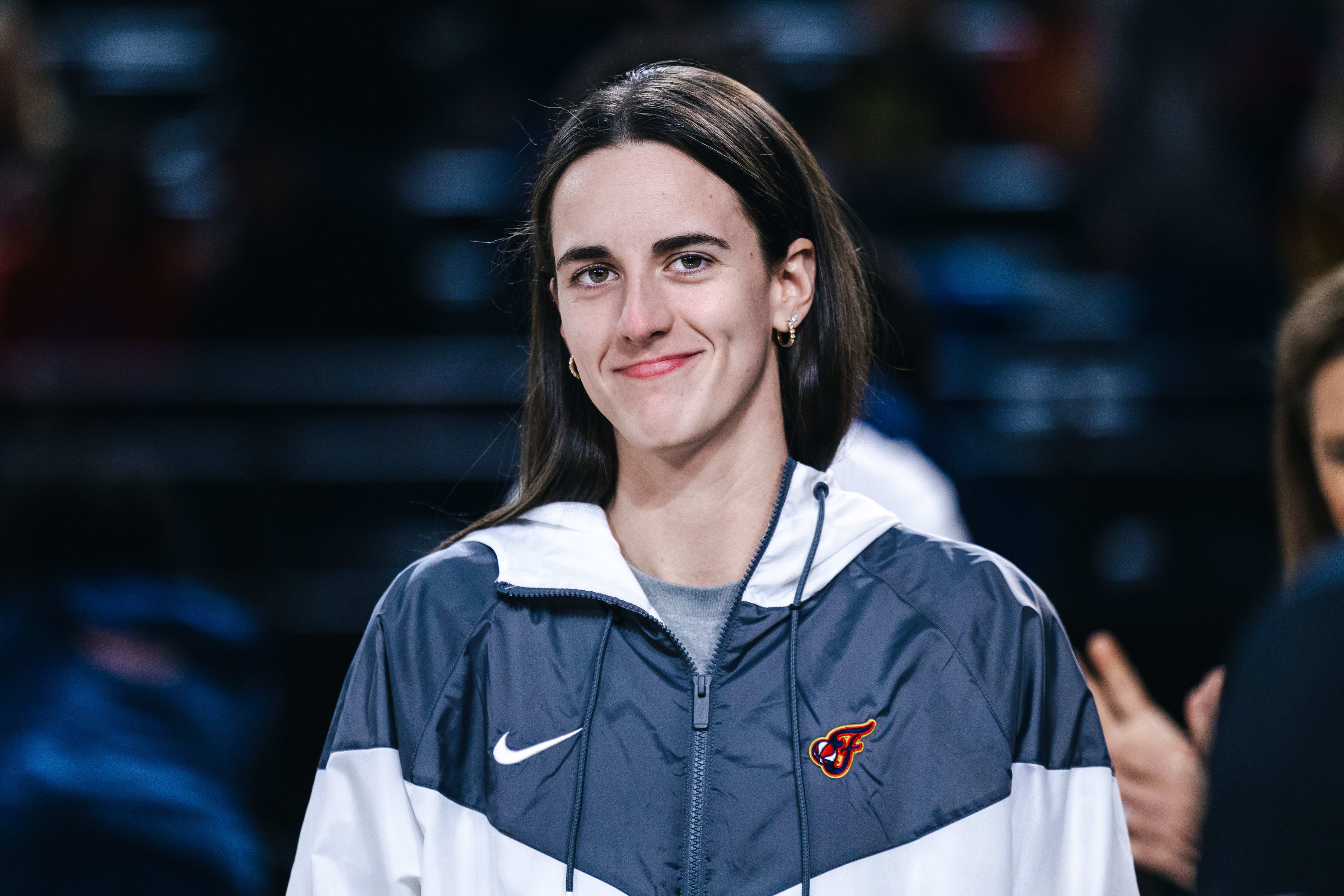
Clark’s confidence has always been part of her identity. In college, it was celebrated. Her swagger was labeled competitive fire, her audacity praised as fearlessness.
In the pros, that same confidence is often reframed.
If she shows emotion, she is “too dramatic.”
If she plays with restraint, she is “mentally shaken.”
If she believes in her range, she is “selfish.”
The margin for interpretation is razor-thin. Every expression is analyzed, every reaction politicized. The line between confidence and arrogance is drawn differently for her than for others.

The Psychological Cost of Constant Scrutiny
No athlete is immune to pressure, but few experience it as relentlessly as Clark does now. Playing through mistakes becomes harder when each one is amplified. Taking risks becomes dangerous when failure is punished with public doubt.
And yet, she continues.
She keeps shooting. She keeps creating. She keeps facing defenses designed to break her rhythm. That persistence is rarely highlighted. Instead, the focus remains on what she hasn’t done yet.
The Bigger Question We Are Avoiding
The real conversation should not be whether Caitlin Clark can handle pressure.
It should be whether the ecosystem around her is fair.
Are we evaluating her as a basketball player, or as a marketing investment?
Are we allowing her the space to grow, or demanding instant perfection?
Are we supporting the future of the league, or feeding off the spectacle of struggle?
Caitlin Clark Is Not Failing — She Is Being Tested
History shows that truly transformative players are rarely comfortable at the start. They are challenged, resisted, scrutinized. Growth does not happen in silence, but it also does not happen under constant judgment.
Caitlin Clark is not collapsing under pressure. She is standing in it.
The question is whether we are watching her journey — or waiting for a moment to say we were right to doubt her.
https://www.youtube.com/watch/eICRI306LkU