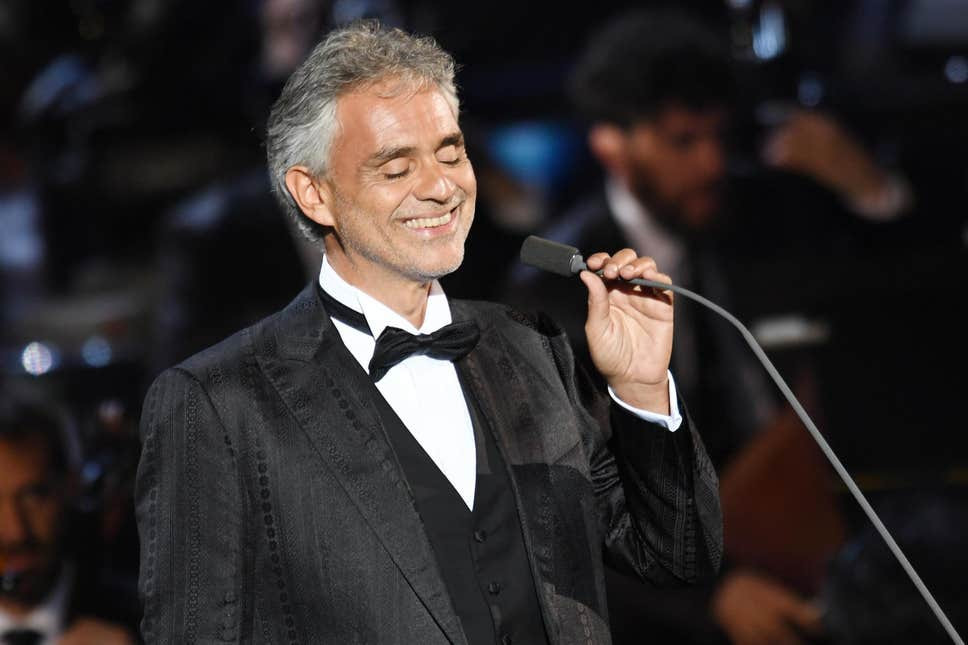
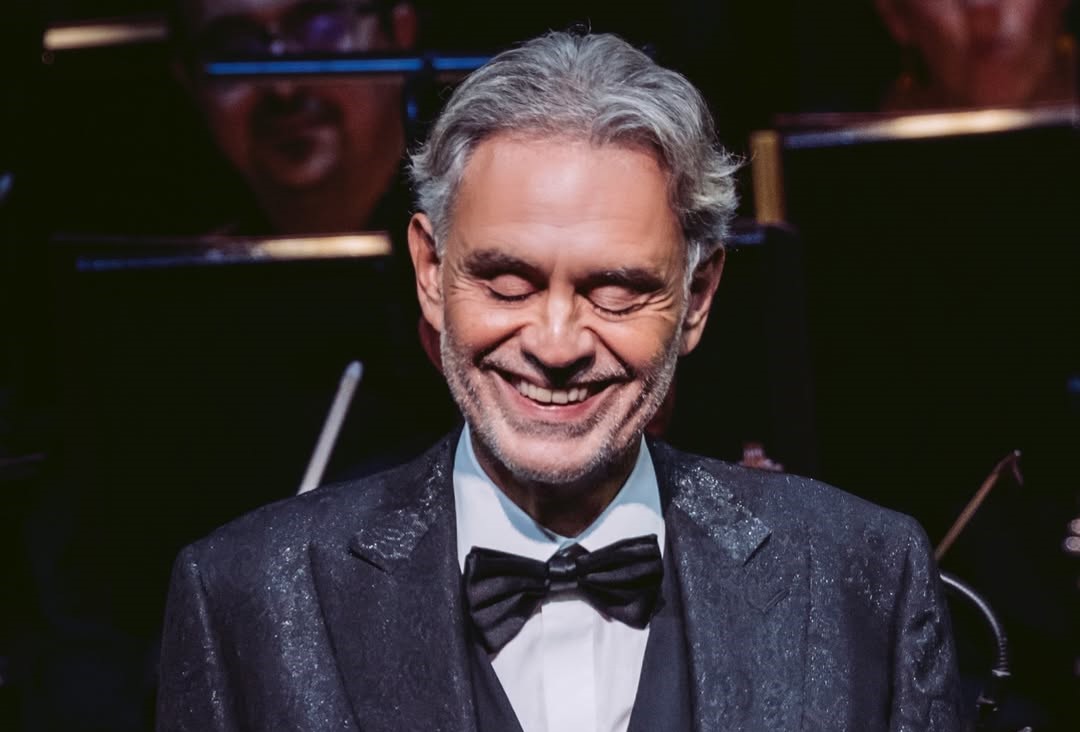
“I am still a student,” Andrea Bocelli once said, and in that simple sentence lies one of the most revealing truths about his artistry and his character. Spoken by a man whose voice has filled the world’s most prestigious opera houses, whose records have sold in the tens of millions, and whose name has become synonymous with modern classical music, the statement feels almost paradoxical. Yet it is precisely this mindset of permanent learning that explains why Bocelli’s career has endured with such quiet strength.

For Bocelli, humility is not a public pose or a carefully crafted image. It is a discipline. From the beginning, he approached music not as something to conquer, but as something to serve. Even after international success, he continued to study vocal technique, languages, interpretation, and repertoire with the seriousness of a young conservatory student. He has often spoken about returning to his teachers, revisiting foundational exercises, and questioning his own habits. In his mind, mastery is not a destination but a direction.
This attitude was shaped early in his life. Losing his sight at a young age forced him to confront limits before he could dream of fame. Music became both refuge and responsibility. He understood that talent alone was fragile, and that discipline would determine whether that talent could survive. Humility grew naturally from this understanding. When you rely so deeply on listening, on guidance, and on trust, arrogance becomes a luxury you cannot afford. Calling himself a student is Bocelli’s way of honoring everyone who helped shape his voice and his worldview.
In the opera world, where ego can easily overshadow collaboration, Bocelli’s humility stands out. He often credits conductors, accompanists, and even acoustics for the success of a performance. He speaks of his voice as something that must cooperate with others rather than dominate them. This openness allows him to adapt, to listen, and to grow. When he sings, there is a sense that he is discovering the music alongside the audience, not delivering a final, untouchable version of it.

Being “a student” also means accepting imperfection. Bocelli has never claimed technical infallibility. Instead, he acknowledges vulnerability as part of expression. He understands that singing is a human act, shaped by emotion, physical condition, and circumstance. Rather than hiding these realities, he works with them. Humility gives him freedom: freedom to adjust, to learn from mistakes, and to keep refining his relationship with his own voice.
This mindset extends beyond music into life itself. Bocelli’s humility is closely tied to gratitude. He frequently speaks about fortune, faith, and responsibility, emphasizing that success is never self-made. By seeing himself as a student, he places himself within a larger story rather than at its center. Fame becomes something entrusted to him, not something he owns. This perspective protects him from the isolation that often accompanies celebrity.
There is also courage in this humility. To admit that one is still learning after decades of acclaim requires strength. It resists the temptation to freeze one’s identity at the moment of success. Bocelli chooses movement instead. Each new role, each collaboration, each concert becomes an opportunity to listen again, to question again, and to grow again. This openness keeps his artistry alive. It explains why his voice, though shaped by time, continues to communicate sincerity rather than routine.
Audiences sense this attitude intuitively. When Bocelli performs, there is no sense of superiority or distance. His presence is calm, respectful, and inviting. The music feels offered rather than displayed. Listeners are not being taught what to feel; they are being welcomed into a shared experience. This is humility in action, not as modest words, but as lived behavior.

In a world that often equates success with certainty and confidence with authority, Bocelli’s statement feels quietly radical. “I am still a student” rejects the idea that learning ends when recognition begins. It suggests that the deeper one goes into art, the more there is to discover. This philosophy does not diminish achievement; it deepens it. It transforms success from a trophy into a responsibility.
Ultimately, Bocelli’s humility is what allows his voice to remain human. Technique, fame, and accolades may surround him, but they do not harden him. By remaining a student, he stays open to wonder, correction, and growth. His singing carries this openness. It does not claim perfection. It seeks truth.
In that sense, Bocelli’s humility is not a limitation, but a source of strength. It keeps his art alive, his perspective grounded, and his connection to listeners genuine. Long after the applause fades, what remains is not the image of a flawless star, but the presence of a lifelong learner, still listening, still searching, still grateful to be a student of music and of life.