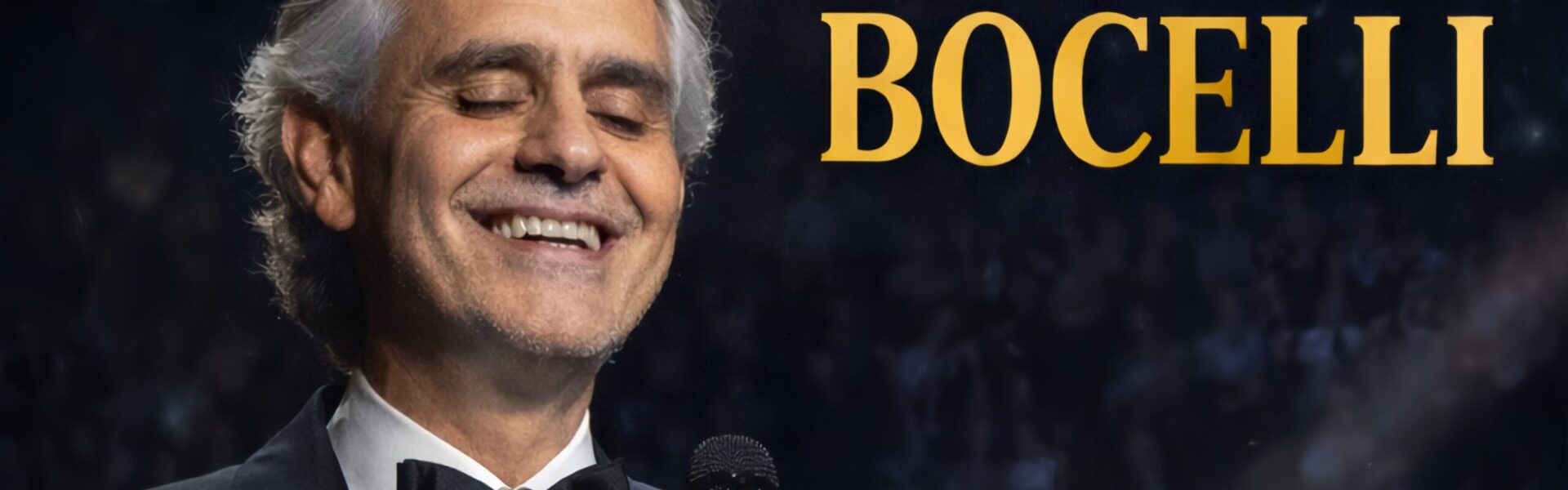

When we hear the name Andrea Bocelli, we immediately think of the “Voice of God”—a tenor so pure and evocative that it has bridged the gap between the rigid world of opera and the vast landscape of popular music. We see him standing on the world’s grandest stages, eyes closed, head tilted toward the heavens, delivering notes that seem to vibrate with the very frequency of the human soul. But beneath the tuxedo and the international fame lies a story of grit, unlikely career pivots, and a refusal to be defined by disability. To understand the man, one must look beyond the music.
Here are five fascinating things you likely didn’t know about the maestro who conquered the darkness.

1. He Wasn’t Born Completely Blind
Many fans assume that Andrea Bocelli was born into total darkness, but his journey with vision was a gradual and painful transition. He was born with congenital glaucoma, a condition that left him with poor eyesight from birth. His parents were told he would struggle, but they encouraged him to live as normally as possible.
The true turning point came at the age of twelve. While playing as a goalkeeper in a neighborhood soccer match, Andrea was struck in the right eye by the ball. The impact caused a brain hemorrhage that resulted in total permanent blindness. Rather than spiraling into despair, the young Bocelli turned his focus toward the sounds of the world. He has often said that while he lost his sight, he never lost his “vision” for a life filled with beauty. This early tragedy became the catalyst for his heightened auditory sensitivity, allowing him to perceive the nuance of music in a way few others can.
2. He Was a Practicing Lawyer Before He Was a Star
It is hard to imagine Andrea Bocelli in a courtroom instead of a concert hall, but the “Maestro” actually holds a Juris Doctor degree. Growing up in a rural family in Tuscany, Bocelli was practical about his future. While he loved music, he understood the importance of a stable profession. He attended the University of Pisa, where he studied law.
After graduating, he spent a year working as a court-appointed lawyer. During the day, he dealt with legal briefs and statutes; at night, he played piano in local bars to pay for his singing lessons. It wasn’t until he was 34 years old—an age many consider “late” for a breakout in the music industry—that he was discovered by the Italian rock star Zucchero. His legal background remains a testament to his intellectual discipline; it is that same analytical mind that he uses today to master complex operatic scores in multiple languages.
3. He is an Adrenaline Junkie and Expert Horseman
One of the most surprising facts about Bocelli is his love for high-speed adventure and the great outdoors. Despite his blindness, he refuses to live a sedentary or “safe” life. He is a passionate equestrian and an expert horseman. He often rides his horses through the rugged Tuscan countryside, relying on the bond between man and animal to navigate the terrain.
“I love the sensation of speed and the wind in my face,” he has shared in interviews. Beyond horseback riding, Bocelli is known to enjoy downhill skiing and even windsurfing. He approaches sports with the same philosophy he brings to music: that limitations only exist if you accept them. Watching him gallop across a field or navigate a slope is a powerful reminder that he doesn’t just “cope” with his blindness—he transcends it.
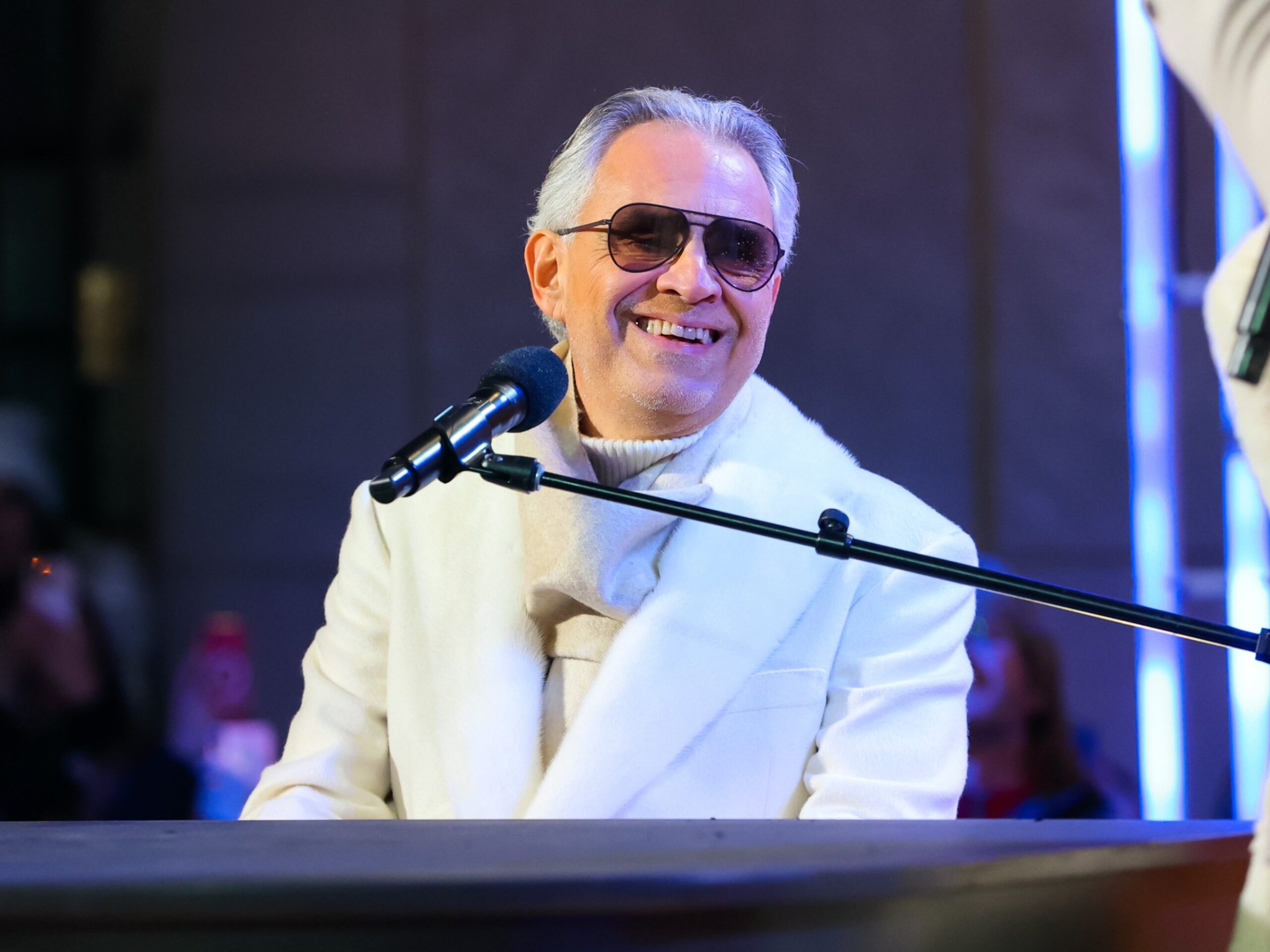
4. He Sang for the World When It Was at Its Loneliest
In April 2020, at the height of the global pandemic, the world was paralyzed by fear and isolation. Streets were empty, and cathedrals were closed. On Easter Sunday, Andrea Bocelli performed his “Music for Hope” concert at the empty Duomo di Milano.
There were no fans, no applause, and no ticket sales. It was a solo performance intended as a global prayer. The live stream shattered records, with over 28 million people tuning in simultaneously. As he stood outside the cathedral, singing “Amazing Grace” to a deserted city, he became a symbol of global resilience. That performance wasn’t about fame or record sales; it was a humanitarian act. It showcased his belief that music is a spiritual tool capable of healing the psyche when the body is under threat.
5. He Founded a Foundation to “See” the World’s Problems
Bocelli’s philanthropic work is not just a side project; it is a core part of his identity. In 2011, he established the Andrea Bocelli Foundation (ABF). While many might expect his foundation to focus solely on vision or music, its scope is much wider. The ABF focuses on “Empowering People and Communities,” specifically in areas plagued by poverty, disease, and social exclusion.
He has been a primary force in rebuilding schools and providing clean water in Haiti, a country he deeply loves. Bocelli often travels to these sites himself, meeting the children and families his foundation supports. He believes that “wealth is only meaningful if it is shared.” Through his foundation, he has helped thousands of people gain access to education and healthcare, proving that his “sight” for human suffering is sharper than that of many who can see perfectly.

Conclusion: A Legacy of Light
Andrea Bocelli is far more than a voice on a CD or a figure on a stage. He is a man who took the “broken” pieces of his life—his blindness, his late start in the industry, and his humble beginnings—and wove them into a masterpiece of a career.
He reminds us that we are not defined by what we lose, but by what we choose to do with what remains. Whether he is arguing a legal case, galloping on a white horse through a field of sunflowers, or singing to a billion people across the globe, Bocelli lives with a vibrance that most sighted people never achieve. He conquered the darkness not by fighting it, but by becoming a source of light himself.
https://www.youtube.com/watch/9nAxLMPa0xM