

Elon Musk is often described as the man shaping the future of humanity. He builds electric cars that challenge the oil industry, launches reusable rockets that redefine space travel, connects the world through satellites, and pushes artificial intelligence toward uncharted territory. With a net worth that has reached hundreds of billions of dollars, he has repeatedly held the title of the richest person on Earth.
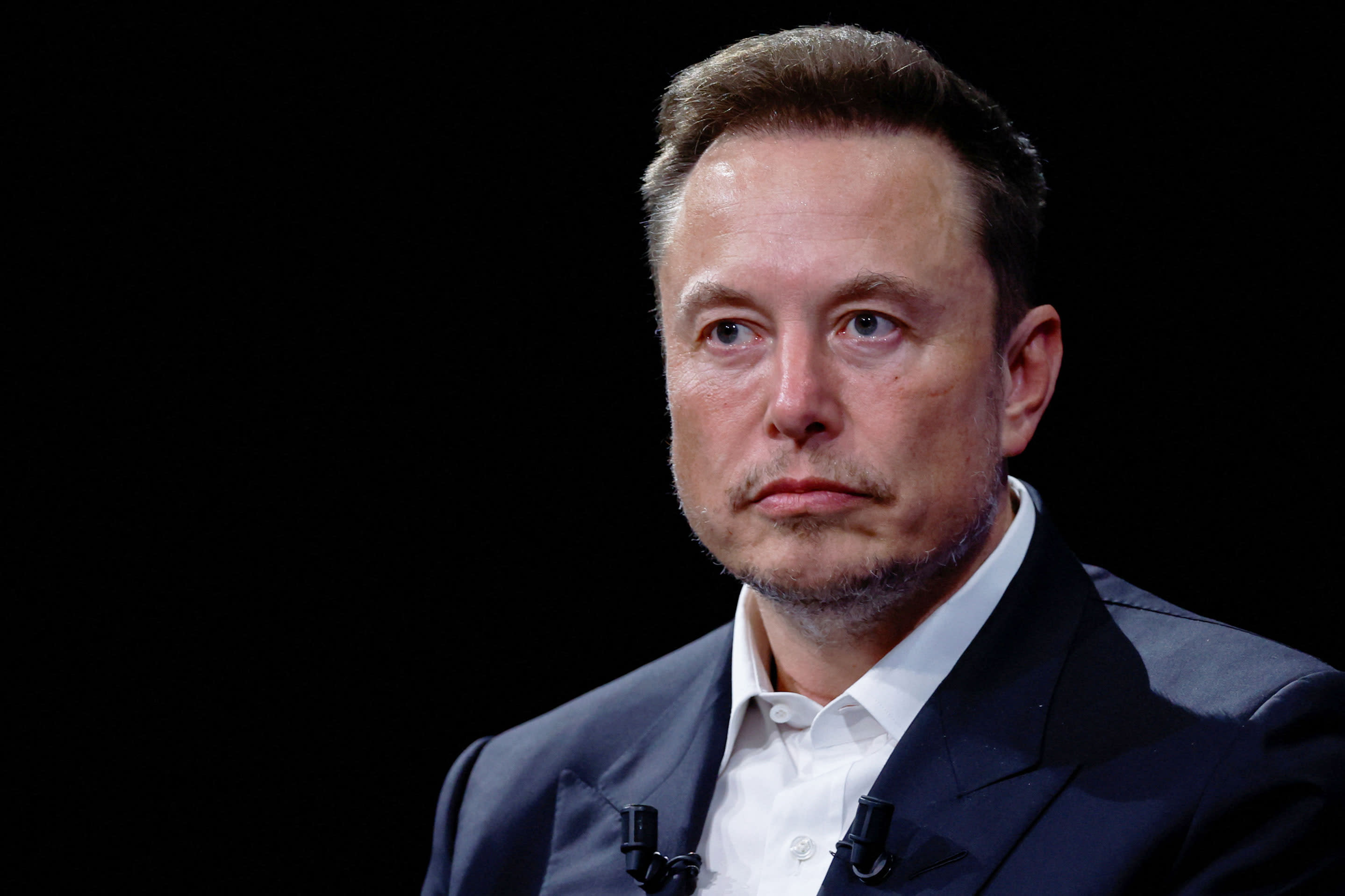
And yet, behind the power, wealth, and global influence, Elon Musk has admitted to something surprisingly human: he is lonely.
When Money Stops Being the Answer
At a certain level of wealth, money loses its meaning. Elon Musk can buy almost anything—luxury homes, cutting-edge technology, political influence, even entire platforms that shape public discourse. But there is one thing money cannot purchase: a sense of belonging.
In rare moments of honesty during interviews, Musk has acknowledged that success has not brought him peace. When the workday ends and the noise of emails, crises, and decisions fades, what remains is silence. Not the peaceful kind, but the kind that forces you to confront yourself.
“There are times when I feel really alone,” Musk once said. Instead of escaping that feeling, he often buries himself deeper in work—sleeping on factory floors, pushing 100-hour weeks—as if constant motion could keep the emptiness at bay.
Alone in the Spotlight
Few people on Earth are more visible than Elon Musk. His words can move markets, shift political narratives, and dominate headlines within minutes. Tens of millions follow his every post online. He is surrounded by people—engineers, investors, politicians, fans.
But visibility is not the same as intimacy.
Being constantly watched does not mean being understood. In fact, it often creates distance. People project expectations onto Musk: genius, villain, savior, madman. Very few see him simply as a man navigating pressure, doubt, and emotional fatigue.
Loneliness, for Musk, is not about the absence of people. It is about the absence of true connection.
Love Under Extreme Pressure
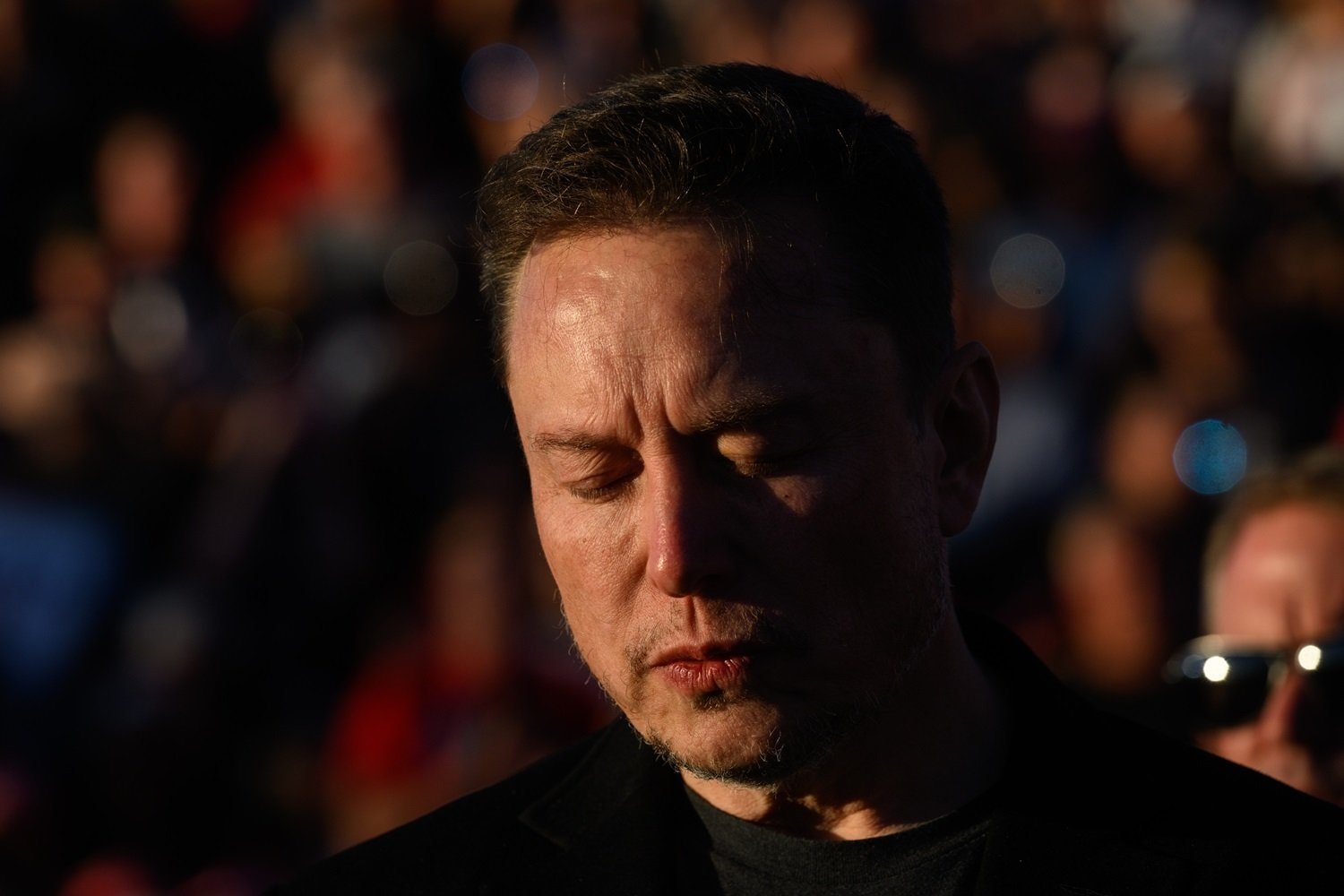
Musk’s personal relationships have long been under public scrutiny. His marriages and high-profile relationships—marked by intensity, brilliance, and eventual collapse—tell a consistent story. Not of a man incapable of love, but of a life that leaves little room for it.
Living with Elon Musk means living with constant urgency. His mind is always elsewhere—on Mars, artificial intelligence, energy grids, civilization-level risks. For most people, that world is overwhelming.
“How do you build a normal relationship,” one observer asked, “with someone who feels responsible for the future of humanity?”
That question may explain why Musk has often described love as something he deeply wants, yet struggles to sustain.
The Isolation of Visionaries
History is filled with innovators who walked alone. Those who see far ahead often find themselves misunderstood by those living in the present. Musk belongs to that lineage.
He does not think in years, but decades. He does not plan for profits alone, but for survival of the species. That scale of thinking sets him apart—and separates him.
When your priorities are existential, everyday conversations can feel shallow. When your decisions affect millions, vulnerability becomes risky. Over time, this creates a quiet isolation that no amount of success can erase.
Fear Beneath the Confidence
Despite his bold public persona, Elon Musk has revealed moments of fear—fear of failure, fear of letting humanity down, fear of being alone when the work is done.
Holidays are especially difficult for him. While many people slow down to celebrate with family and friends, Musk has admitted that these quiet moments intensify his loneliness. When there are no fires to put out, no deadlines to chase, emotions surface.
It is a paradox: the man racing to build the future sometimes dreads the stillness of the present.
Success Without Stillness
For Musk, stopping feels dangerous. Stillness invites reflection, and reflection brings uncomfortable truths. So he keeps moving. Launch after launch. Company after company. Crisis after crisis.
But constant momentum comes at a cost.
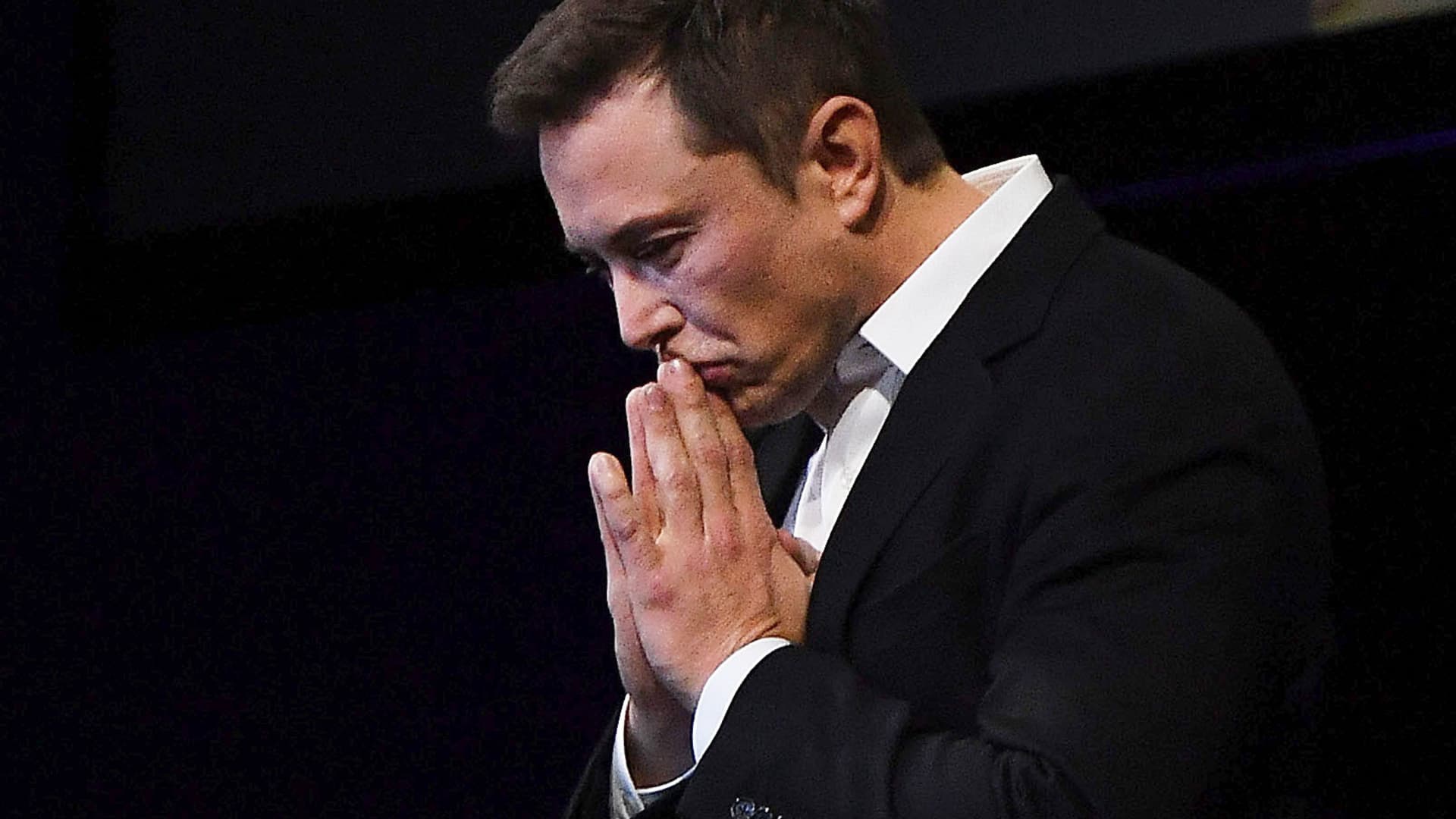
The story of Elon Musk reminds us that achievement does not automatically bring fulfillment. You can win every external battle and still struggle internally. You can reshape industries and still crave a simple human moment—being heard, being understood, being loved without conditions.
A Mirror for All of Us
Musk’s loneliness resonates because it challenges a powerful myth: that success will fix everything. His life suggests the opposite. Success amplifies who you already are. It magnifies strengths—but also weaknesses, fears, and emotional gaps.
Before rockets, cars, and billion-dollar companies, Elon Musk was simply a young man afraid of failure. That fear drove him forward. It still does.
And perhaps that is the deepest lesson of all.
The Human Behind the Legend
Elon Musk is not a symbol of perfection. He is proof that greatness and vulnerability often coexist. That ambition can lift humanity forward while quietly pulling an individual apart.
He may be the richest man in the world—but at times, he is also one of the loneliest.
Because in the end, no matter how high you climb, the most basic human need remains unchanged: to feel connected, understood, and not alone.