🤠🔥 BUTCH CASSIDY AND THE SUNDANCE KID (1969): TWO LEGENDARY OUTLAWS, ONE UNBREAKABLE FRIENDSHIP, AND A WILD WEST THAT COULD NO LONGER PROTECT THEM!
They robbed banks, outran the law, and turned danger into adventure. But when the Wild West began to disappear, Butch Cassidy and the Sundance Kid faced an enemy even the fastest gunslinger couldn’t defeat: a changing world.
Two Outlaws Who Became Legends
There are Western movies filled with gunfights, horseback chases, and fearless cowboys. Then there are films that capture something much greater — the friendship, humor, and tragedy behind the legends of the American frontier.
Released in 1969, Butch Cassidy and the Sundance Kid remains one of the most beloved Western adventures ever made.
Directed by George Roy Hill and starring Paul Newman and Robert Redford, the film follows two notorious outlaws whose extraordinary partnership becomes their greatest strength as the American West enters a new era.
Butch Cassidy, played by Newman, is charming, intelligent, and endlessly inventive. His closest companion, the Sundance Kid, portrayed by Redford, is a deadly accurate gunfighter whose quiet confidence contrasts perfectly with Butch’s playful personality.
Together, they represent the final generation of romanticized frontier outlaws.
Yet beneath the laughter and daring escapes lies a powerful question: What happens when two men who have spent their lives running finally discover there is nowhere left to hide?
A Friendship Built on Danger and Loyalty

From their earliest moments together, Butch and Sundance demonstrate why their partnership is so unforgettable.
Butch prefers clever plans over unnecessary violence. He believes almost every problem can be solved through quick thinking, persuasion, or an unexpected escape.
Sundance approaches danger differently.
He trusts his revolver, his instincts, and his ability to remain calm when everyone else begins to panic.
These contrasting personalities create some of the movie’s funniest exchanges.
They argue over decisions, mock each other’s mistakes, and frequently question whether their latest adventure is worth the trouble.
But when real danger arrives, their loyalty never wavers.
Neither man seriously considers abandoning the other.
Their bond gives the story an emotional foundation that transforms ordinary action sequences into unforgettable cinematic moments.
The film is not simply about two criminals escaping capture. It is about two friends trying to preserve the only life they truly understand.
The Relentless Chase Through the American Wilderness
One of the film’s most iconic storylines begins when Butch and Sundance discover that their familiar escape tactics are no longer effective.
Following a train robbery, a determined posse begins tracking them across the wilderness.
At first, the outlaws treat the pursuit like another familiar inconvenience.
They have escaped lawmen before. Surely they can do it again.
But something has changed.
No matter how far they travel, how cleverly they alter their route, or how difficult the landscape becomes, their pursuers refuse to disappear.
Through rocky mountains, steep hillsides, dry valleys, and isolated wilderness, Butch and Sundance search desperately for an advantage.
Sometimes they scramble across dangerous terrain. Sometimes they hide behind rocks, hoping to avoid detection.
Every attempt to escape seems to lead to another confrontation with the same mysterious riders.
Their growing frustration is captured in one unforgettable question:
“Who are those guys?”
The sequence brilliantly combines suspense with humor.

Rather than relying entirely on gunfire, George Roy Hill creates tension through distance, exhaustion, and the uncomfortable realization that the outlaws are losing control.
For the first time, the men who once seemed untouchable begin to look genuinely vulnerable.
When the Mountains Become Their Only Hope
As the relentless pursuit continues, the natural landscape becomes both a refuge and a dangerous obstacle.
Towering cliffs and narrow mountain passages offer opportunities to disappear from view.
But they also create traps.
In several memorable moments, Butch and Sundance find themselves studying the terrain, searching for any possible route to safety.
Their conversations reveal the growing pressure of the chase.
Butch continues suggesting solutions, even when they appear increasingly unrealistic.
Sundance questions his friend’s confidence, often responding with dry humor.
It is this mixture of fear, frustration, and comedy that makes their adventures so entertaining.
Eventually, the outlaws reach a towering cliff overlooking a river.
With the posse approaching from behind, Butch suggests jumping.
Sundance resists, revealing that he cannot swim.
The exchange is both absurd and brilliantly timed.
They are trapped high above the water with armed pursuers closing in, yet their argument centers on something almost comically ordinary.
Their desperate leap becomes one of the film’s defining moments.
It represents the freedom they continue fighting to preserve, even when every reasonable choice has disappeared.
A Lighter Side of the Outlaw Life
Although the film contains plenty of suspense, its quieter moments are equally important.
Some scenes reveal the personalities behind the legendary reputations.
Butch is not constantly plotting robberies or fighting enemies.
He also enjoys simple pleasures, playful conversations, and moments of unexpected tenderness.
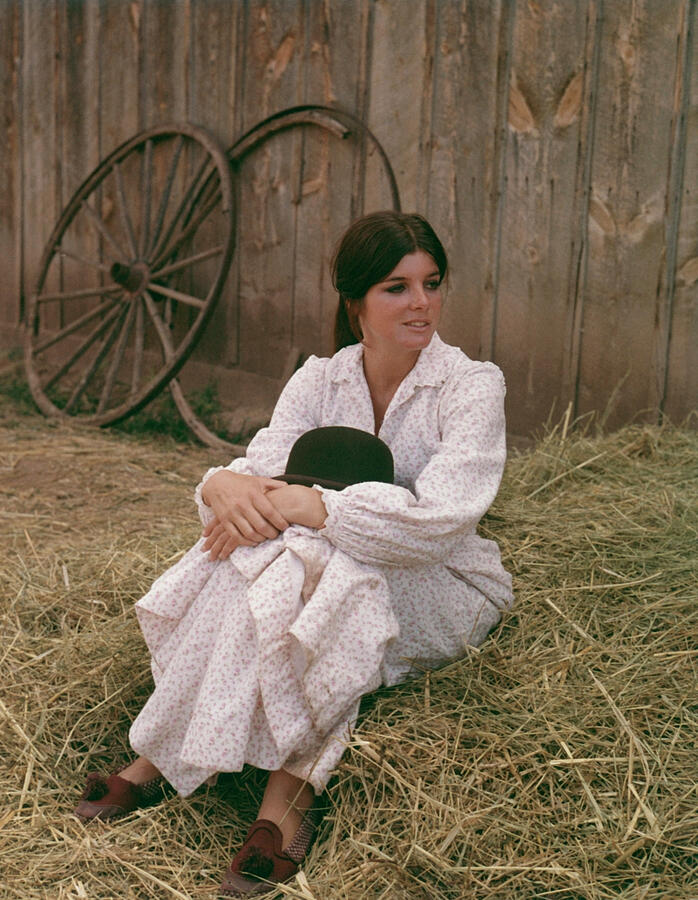
One of the film’s most memorable sequences features Butch riding a bicycle with Etta Place, played by Katharine Ross.
Set to the Oscar-winning song Raindrops Keep Fallin’ on My Head, the scene provides a delightful contrast to the film’s dangerous adventures.
For a brief period, Butch appears less like a wanted criminal and more like an ordinary man enjoying a carefree afternoon.
The bicycle also symbolizes the technological changes transforming the American West.
As the frontier modernizes, horses and traditional outlaw tactics are gradually giving way to a different world.
The men who have defined themselves through independence must confront the possibility that their time is ending.
Paul Newman and Robert Redford’s Unforgettable Chemistry


Much of the movie’s enduring popularity comes from its two leading performances.
Paul Newman gives Butch an infectious confidence and sense of humor, making his reckless plans strangely appealing.
Robert Redford brings a quieter intensity to Sundance, portraying a man who speaks relatively little but communicates volumes through his expressions and actions.
Their chemistry feels effortless.
Whether they are running from pursuers, discussing impossible escape plans, or teasing each other during quieter moments, their relationship remains convincing.
Neither character could carry the same story alone.
Butch needs Sundance’s courage and practical judgment.
Sundance needs Butch’s imagination and refusal to surrender hope.
Together, they create one of Hollywood’s most memorable partnerships.
The End of the Wild West
Beyond its thrilling adventures, Butch Cassidy and the Sundance Kid tells a story about historical change.
The expanding railroad industry, improved communication, modern business interests, and increasingly organized law enforcement are transforming the frontier.
For men like Butch and Sundance, these developments represent a serious threat.
The places where they once escaped are becoming easier to patrol.
Their familiar methods of robbery are becoming more dangerous.
And their reputation offers little protection against a world growing increasingly efficient at hunting outlaws.
Eventually, the pair decide to leave the United States and seek a new beginning in Bolivia, accompanied by Etta Place.
They hope that another country might offer the opportunities disappearing from their homeland.
But crossing borders does not necessarily mean escaping consequences.
Their adventures abroad reveal that the struggle between freedom and responsibility follows them wherever they go.
An Ending That Changed Western Cinema

The film’s conclusion remains one of the most famous endings in Hollywood history.
Facing overwhelming danger, Butch and Sundance refuse to abandon the confidence and humor that have defined their friendship.
Even as their prospects grow increasingly desperate, they continue exchanging jokes and imagining another escape.
The final freeze-frame transforms their fate into an enduring piece of cinematic mythology.
Rather than emphasizing the violence of their last confrontation, the film preserves an image of two friends charging toward uncertainty together.
It is simultaneously heartbreaking and strangely triumphant.
Their lives may be ending, but their loyalty remains undefeated.
Why This Western Masterpiece Still Matters
More than five decades after its release, Butch Cassidy and the Sundance Kid continues to inspire audiences through its unforgettable combination of humor, adventure, and emotion.
Its spectacular scenery, memorable dialogue, iconic performances, and innovative storytelling helped redefine the Western genre.
The movie received seven Academy Award nominations and won four Oscars, including Best Original Screenplay.
Yet its greatest achievement may be much simpler.
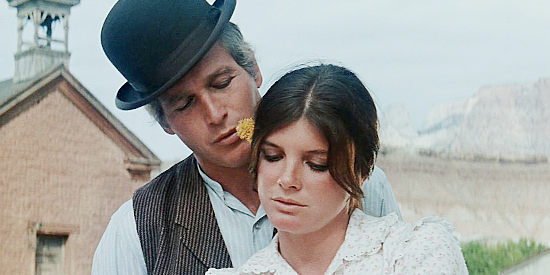
It made audiences care deeply about two deeply flawed men whose friendship transcended their criminal lifestyle.
Butch Cassidy and the Sundance Kid were never perfect heroes.
They were outlaws who made reckless decisions, broke laws, and lived dangerously.
But their loyalty, courage, and determination to remain together gave their story an emotional power that continues to resonate.
They could escape the law. They could survive impossible odds. But they could never stop the world from changing.
And through every adventure, one thing remained certain: Butch Cassidy and the Sundance Kid would face whatever came next together.
That is what made them legends.
