The Moment Django Humiliated Stephen — And Dr. Schultz Made the Deadliest Decision of His Life
Two unforgettable confrontations in Quentin Tarantino’s Django Unchained reveal how a former slave challenged the brutal hierarchy of the American South, while one unexpected gunshot transformed a dangerous rescue mission into an explosive fight for survival.
Few modern Western films have combined revenge, dark humor, historical brutality, and unforgettable characters as effectively as Django Unchained (2012). Directed by Quentin Tarantino, the film follows Django, a formerly enslaved man played by Jamie Foxx, who joins forces with German bounty hunter Dr. King Schultz, portrayed by Christoph Waltz. Their partnership begins as a journey of liberation but eventually becomes a desperate mission to rescue Django’s wife, Broomhilda, from one of the most dangerous plantation owners in Mississippi.

Among the film’s most memorable moments are two confrontations that expose the cruelty and contradictions of the world Django is determined to destroy. The first involves Django’s tense encounter with Stephen, the longtime head house servant at Candyland. The second unfolds when Dr. Schultz makes a fatal decision during his final confrontation with plantation owner Calvin Candie.
Together, these scenes demonstrate why Django Unchained remains one of Tarantino’s most provocative and emotionally charged films.
Django Arrives at Candyland — And Refuses to Know His Place
When Django arrives at Candyland alongside Dr. Schultz, he enters a world governed by fear, violence, and deeply entrenched racial hierarchies. The enormous plantation belongs to Calvin Candie, played by Leonardo DiCaprio, a wealthy and sadistic slaveholder who treats human lives as commodities.
For most enslaved people living under Candie’s authority, even the smallest act of defiance could bring severe punishment. Django, however, refuses to behave as the plantation’s inhabitants expect.

His appearance immediately creates tension. Dressed confidently, riding his own horse, and accompanying a white bounty hunter as an apparent equal, Django represents something the plantation’s social order was designed to prevent: a Black man exercising independence and authority.
Stephen, portrayed by Samuel L. Jackson, recognizes this threat almost instantly.
Although Stephen is himself enslaved, he holds considerable influence within Candie’s household. His privileged position depends upon maintaining the existing hierarchy, and Django’s arrival challenges everything Stephen has spent years protecting.
Their first interactions are filled with contempt, suspicion, and carefully calculated insults.
One particularly memorable exchange revolves around Django’s horse. Stephen objects to Django’s apparent freedom to ride and carry himself like a respected guest. Rather than retreating or apologizing, Django responds with deliberate confidence, refusing to surrender the dignity he has fought to reclaim.
When Stephen asks about the horse’s name, Django’s casual response becomes another subtle act of provocation.
The confrontation is funny on the surface, but beneath the humor lies something far more significant.
Django is not simply insulting an irritating old man. He is challenging the plantation’s entire system of power.
Why Stephen Is One of the Film’s Most Disturbing Characters
Stephen is far more complicated than a conventional Western antagonist.
Unlike Calvin Candie, whose brutality is supported by inherited wealth and legal ownership, Stephen possesses influence through his intimate knowledge of Candyland’s household and its inhabitants.
He understands Candie’s weaknesses, anticipates his decisions, and manipulates situations while presenting himself as a loyal servant.

Samuel L. Jackson’s performance makes Stephen especially unsettling because his apparent submissiveness conceals intelligence, resentment, and authority.
His hostility toward Django is not merely personal dislike. Django embodies a possibility Stephen has rejected or learned to fear: that the existing order can be challenged rather than preserved.
Stephen sees Django’s independence as an insult to the rules that have governed his entire life.
Django, meanwhile, recognizes that Stephen’s position does not make him harmless.
Their relationship introduces an important theme running throughout the film: oppressive systems survive not only through the actions of those at the top, but also through the people who enforce their rules.
This dynamic eventually becomes crucial to Django’s mission.
Despite Schultz and Django’s elaborate plan to purchase Broomhilda’s freedom, Stephen begins to notice inconsistencies in their behavior. His suspicions help unravel their deception and place both men in immediate danger.
What begins as a tense social confrontation ultimately contributes to the film’s devastating climax.
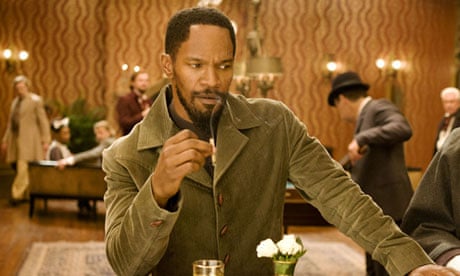
Dr. Schultz and Calvin Candie — A Handshake That Changes Everything
If Django’s exchanges with Stephen reveal his refusal to submit, Dr. Schultz’s final confrontation with Calvin Candie exposes the moral limits of a man who has spent years confronting violence.
Throughout the film, Schultz is presented as intelligent, articulate, and unusually principled compared with many of the people around him.
He makes his living as a bounty hunter, killing wanted criminals for money, yet he also demonstrates genuine compassion toward Django and Broomhilda.
His experiences at Candyland push that compassion to its breaking point.
After witnessing the plantation’s horrific cruelty, Schultz can barely conceal his disgust toward Candie. Nevertheless, he attempts to maintain his composure because rescuing Broomhilda requires negotiating with the very man he despises.
The situation becomes increasingly dangerous when Candie discovers that Schultz and Django have been deceiving him.
Although the transaction eventually moves toward completion, Candie demands one final gesture: a handshake.
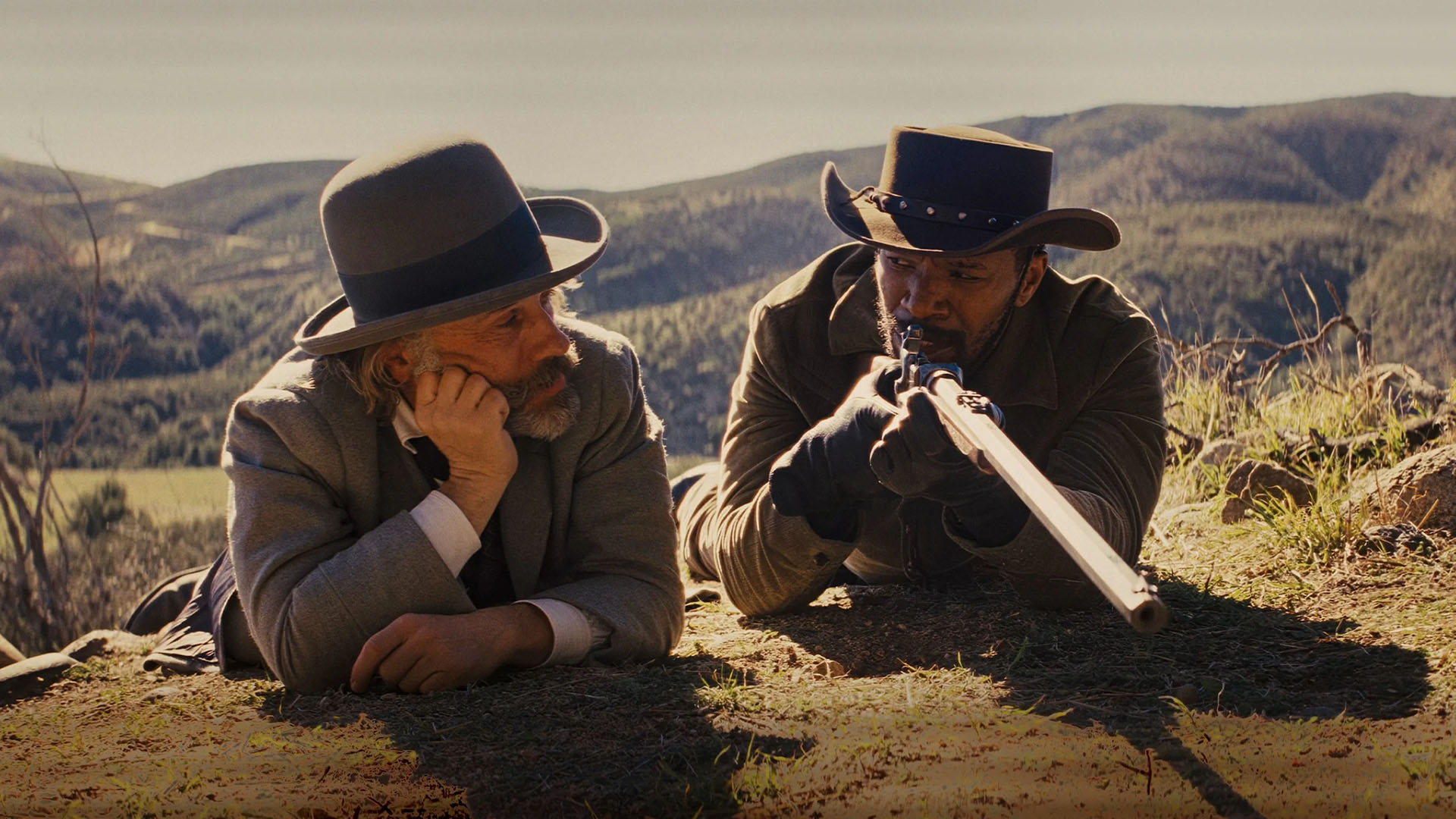
For Candie, the gesture represents victory and submission. He wants Schultz to acknowledge him personally, not merely complete a business arrangement.
For Schultz, that demand becomes unbearable.
He has already witnessed enough cruelty to understand what kind of man stands before him. Shaking Candie’s hand would require him to participate in a final performance of respect that he cannot bring himself to offer
