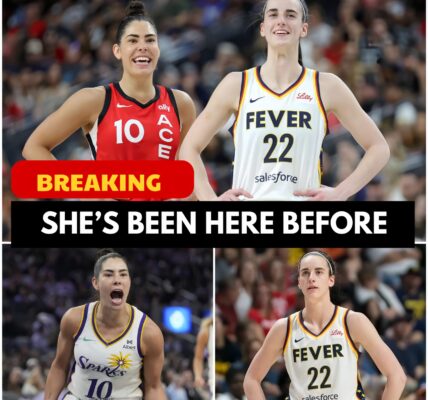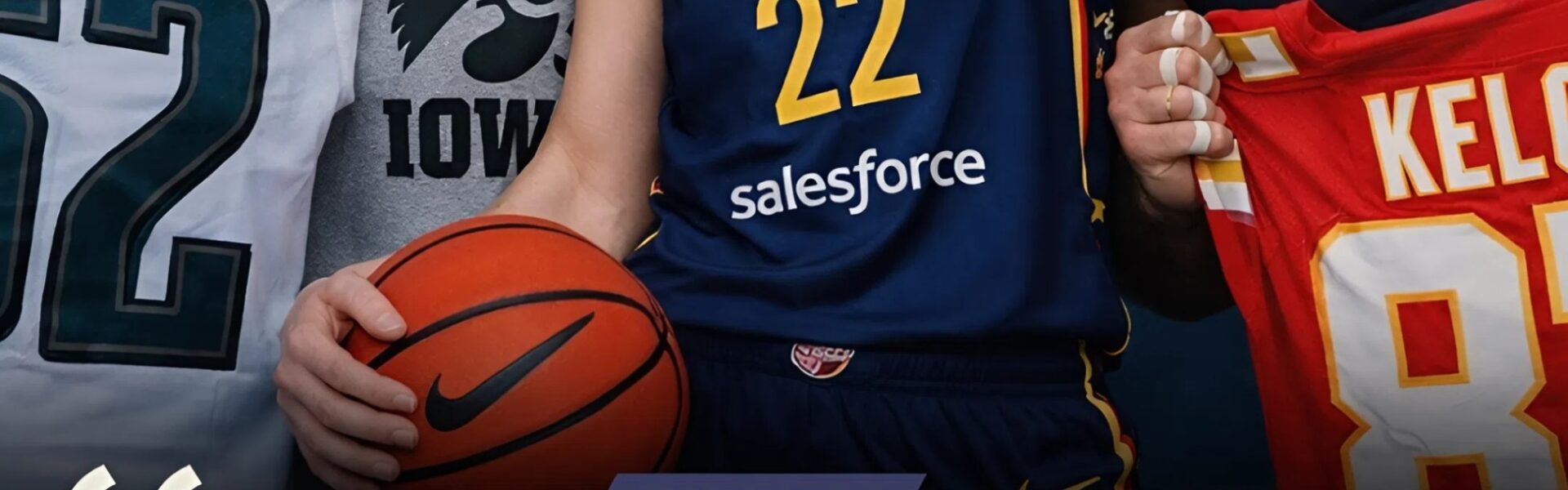

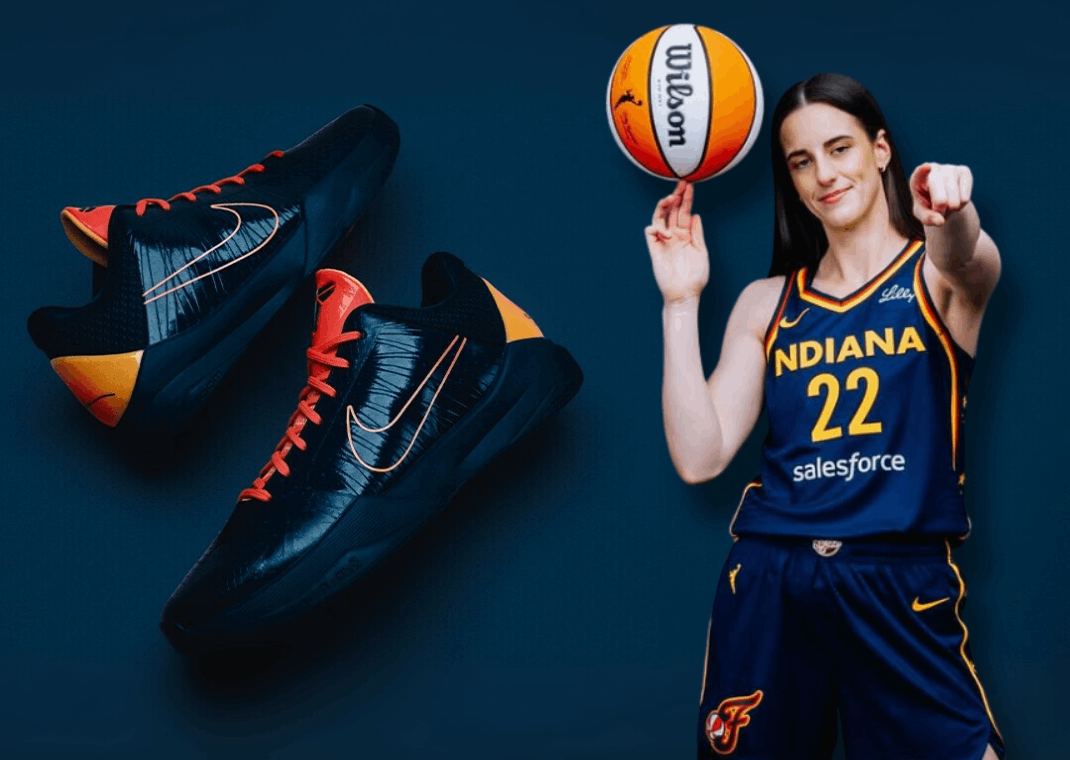
Nike has never been subtle about how it introduces the next face of sport. When the brand believes an athlete is ready to transcend competition and enter culture, it doesn’t whisper — it makes a statement. On Christmas Day, Nike did exactly that with the release of a brand-new Caitlin Clark commercial, a short but powerful piece that confirms what fans already know: Caitlin Clark isn’t just the future of women’s basketball — she’s already a cultural force.
The commercial is built around a simple, almost casual question: “Can you make it from here?” It’s a line that feels playful on the surface, but anyone who has followed Clark’s career understands its deeper meaning. For years, Clark has redefined what “here” even means on a basketball court, routinely draining shots from distances most players wouldn’t dare to attempt. Nike turns that reality into a narrative device — and surrounds it with some very familiar faces.
A Cast That Signals Something Bigger
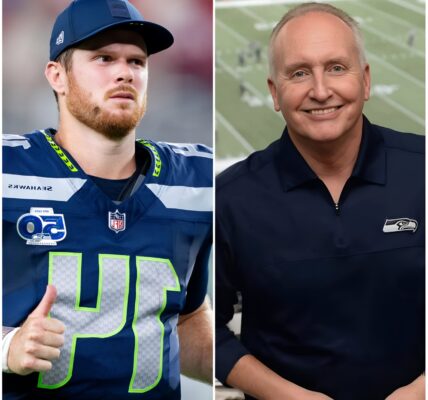
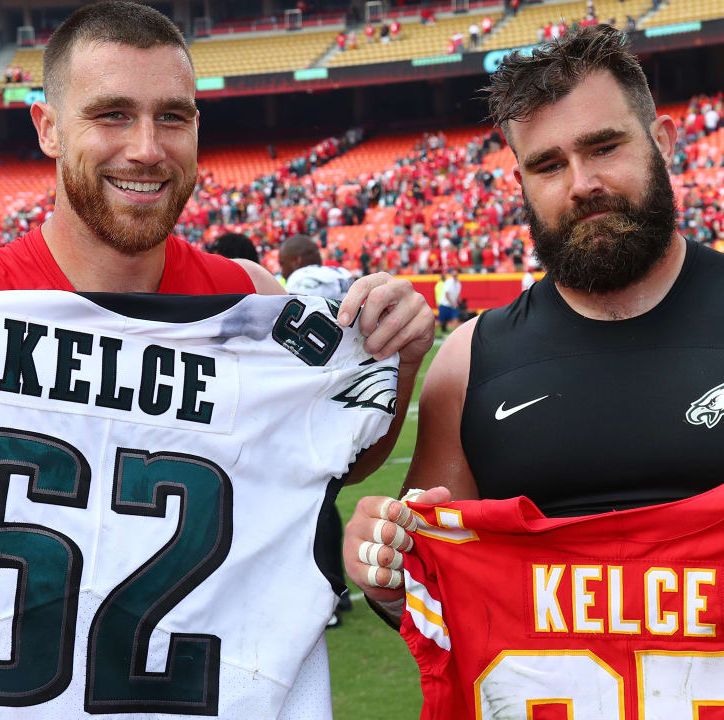
What immediately separates this commercial from a typical athlete endorsement is the cast. Asking Clark that iconic question aren’t random extras or nameless onlookers. Instead, Nike brings together a lineup that spans sports, comedy, and music: former Iowa head coach Lisa Bluder, NFL superstars Jason and Travis Kelce, comedian Michael Che, and global rap icon Travis Scott.
This isn’t accidental. Nike is making a statement about where Caitlin Clark belongs. She’s not being framed solely within the world of women’s basketball or even basketball at large — she’s being placed at the intersection of sport and mainstream culture. The message is clear: Clark’s influence now lives in the same space as some of the most recognizable names in entertainment and athletics.
Lisa Bluder: The Emotional Core
Among all the cameos, Lisa Bluder’s presence carries the most emotional weight. As Clark’s longtime coach at Iowa, Bluder represents the foundation of Clark’s rise. Their relationship is one of trust, belief, and shared history — from sold-out arenas to record-breaking performances that reshaped the visibility of women’s college basketball.
When Bluder asks Clark if she can “make it from here,” it feels less like a challenge and more like a knowing smile. She’s seen Clark do the impossible too many times to doubt the answer. Nike’s choice to include Bluder grounds the commercial in authenticity, reminding viewers that before the fame, the headlines, and the celebrity cameos, there was a coach who believed.
The Kelce Brothers and the Seal of Mainstream Approval
Jason and Travis Kelce bring a different kind of energy — one rooted in mainstream American sports culture. As two of the most recognizable figures in the NFL, the Kelce brothers symbolize reach, charisma, and crossover appeal. Their inclusion signals that Caitlin Clark’s name now resonates far beyond basketball-specific audiences.
When NFL icons casually step into a basketball commercial, it sends a powerful message: Clark’s stardom isn’t niche. It’s universal. Nike uses their presence to normalize the idea that talking about Caitlin Clark should be just as natural as talking about any other superstar athlete, regardless of gender or league.
Comedy, Music, and Cultural Credibility
Michael Che and Travis Scott complete the picture. Che brings humor and timing, reinforcing the light, confident tone of the ad. Travis Scott, meanwhile, adds an unmistakable layer of cultural credibility. His presence ties Clark to the worlds of fashion, music, and youth culture — areas where Nike has always fought hardest to stay relevant.
By blending these personalities into a single narrative, Nike isn’t just promoting an athlete. It’s positioning Caitlin Clark as someone who belongs everywhere — courts, conversations, playlists, and timelines.
“Can You Make It From Here?” as a Philosophy
The brilliance of the commercial lies in how little it tries to explain. There’s no montage of highlights, no statistics flashing across the screen, no dramatic voiceover declaring greatness. Nike trusts that viewers already know — or are about to learn.
The repeated question becomes a metaphor. It reflects the doubts Clark has faced throughout her career: about her range, her style, her impact, and even her marketability. Each time the question is asked, the implication is the same — and so is the answer.
Clark doesn’t need to respond verbally. Her confidence, body language, and reputation do the talking.

Nike’s Long-Term Bet on Caitlin Clark
Releasing this commercial on Christmas Day was no coincidence. It’s a moment when families gather, TVs are on, and attention is shared across generations. Nike wanted this ad to feel like an event — a cultural moment rather than a simple product push.
More importantly, it signals Nike’s long-term investment in Caitlin Clark as a cornerstone of its future. In an era where women’s basketball is experiencing unprecedented growth in viewership, ticket sales, and media coverage, Clark stands at the center of that momentum. Nike isn’t chasing a trend — it’s helping define one.
More Than a Commercial
Ultimately, this Nike ad isn’t about a shot, a shoe, or a slogan. It’s about recognition. Recognition that Caitlin Clark has changed the way people watch women’s basketball. Recognition that her influence stretches beyond the hardwood. And recognition that the question is no longer whether she belongs on the biggest stage — but how far she’ll take it.
So when the commercial asks, “Can you make it from here?” it’s not really about distance.
It’s about whether Caitlin Clark can keep pushing boundaries, breaking expectations, and reshaping the sport.
And if history is any indication, the answer is already written.