Willie Nelson lost everything to the IRS—then found his way back through music, loyalty, and an unlikely act of human kindness

Willie Nelson lost everything to the IRS—then found his way back through music, loyalty, and an unlikely act of human kindness
In the early 1990s, Willie Nelson became a cautionary tale written in bold headlines. This was not a symbolic downfall or a celebrity exaggeration. Federal authorities seized nearly everything he owned after determining he owed more than $16 million in unpaid taxes. His Texas ranch, personal belongings, and financial security were stripped away in a process that was public, humiliating, and final. For an artist who had spent decades singing about freedom, survival, and the dignity of ordinary people, the collapse felt brutally ironic.
Nelson’s troubles did not come from recklessness alone. Like many artists before him, he relied on accountants and advisors who mismanaged his finances, sheltering income in questionable tax schemes that eventually unraveled. When the IRS came calling, it showed little interest in explanations or artistic legacy. Assets were seized. Auctions were scheduled. The message was clear: fame does not protect you from consequences.
Most people, faced with such total financial ruin, would disappear quietly. Careers tend to shrink after public failure, especially when money is involved. Nelson chose the opposite path. Instead of hiding, he turned toward the only currency he had left—his voice, his stories, and his honesty. He made his financial collapse part of the narrative rather than something to bury.
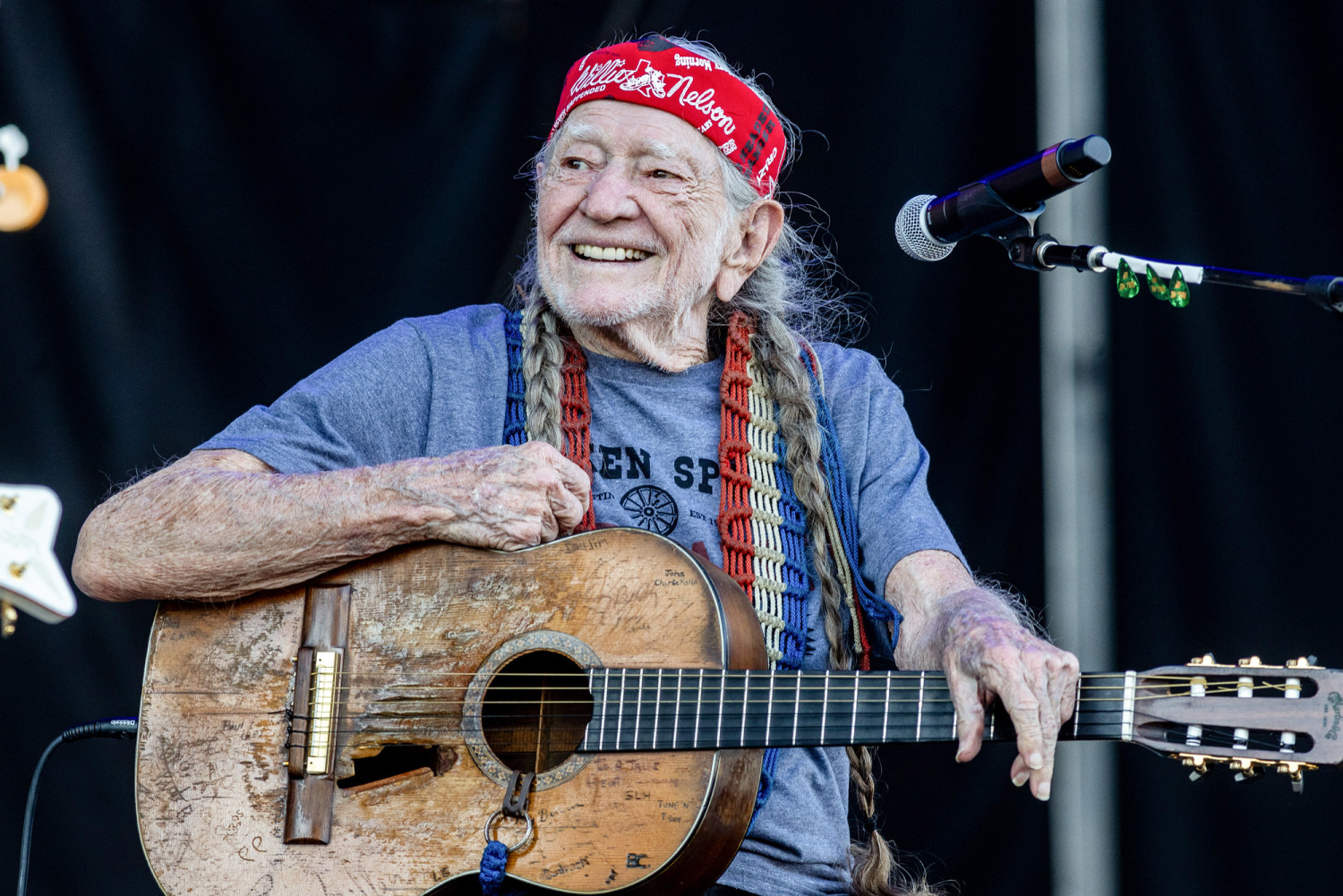
That decision led to one of the strangest albums in American music history, The IRS Tapes: Who’ll Buy My Memories?. Recorded simply and released directly to fans, the album was not a gimmick or a joke. It was an act of survival. Every dollar raised went toward paying down his debt. More importantly, it signaled something deeper: Nelson was willing to stand in front of his audience without armor, admitting failure and asking—not for pity—but for connection.
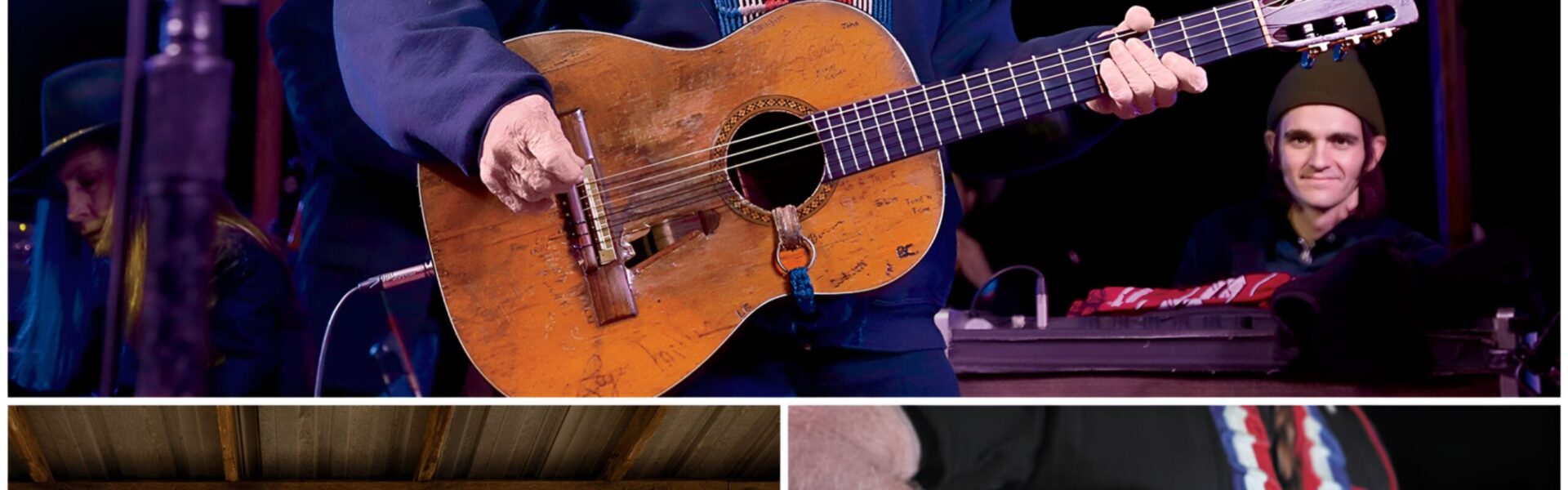
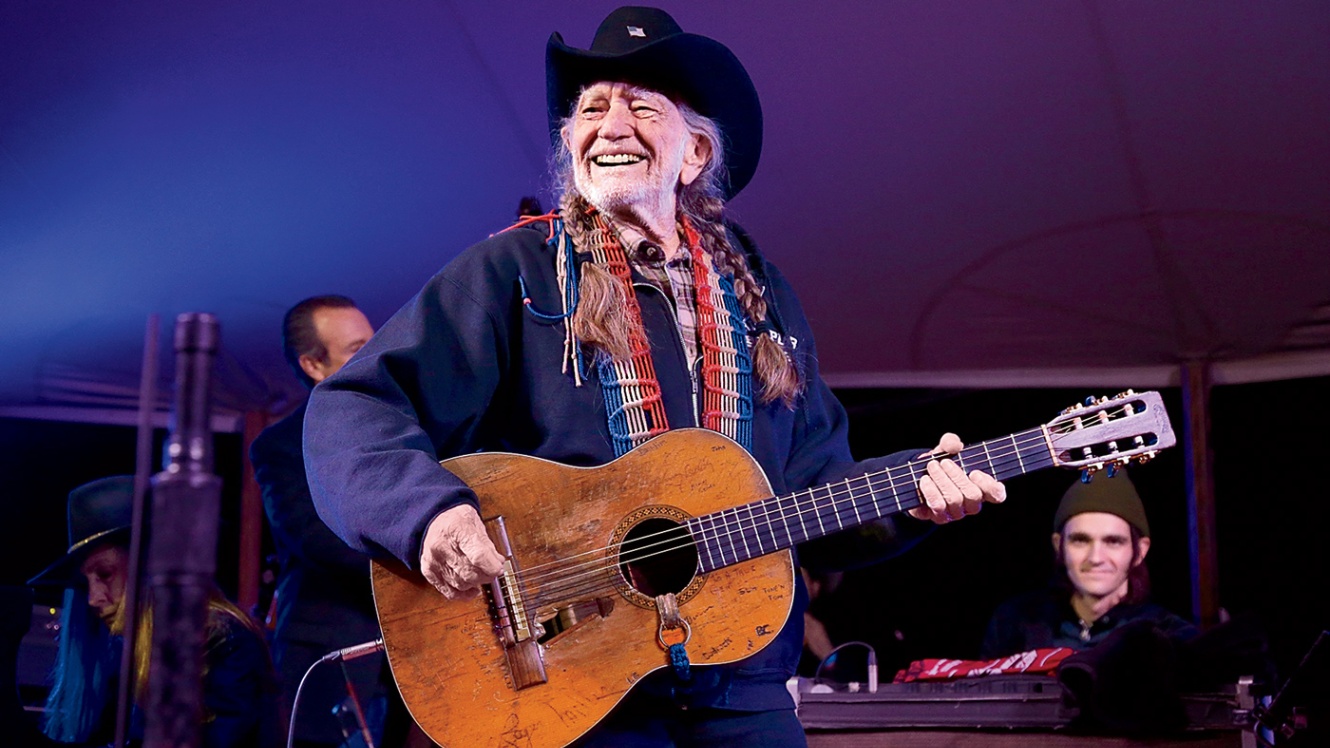
What happened next is the part of the story that still feels unreal. At a government auction, Nelson’s ranch and prized possessions, including his legendary guitar Trigger, were put up for sale. For many buyers, this would have been an opportunity to own a piece of music history. Instead, a group of supporters stepped forward with a very different intention. Texas farmers, friends, and longtime fans pooled resources and purchased the ranch and the guitar—not to keep them, but to protect them.

Once Nelson’s tax situation stabilized, they returned everything to him.
There was no contract demanding recognition. No attempt to profit. Just a quiet act of loyalty rooted in gratitude. These were people who had grown up with his music playing in kitchens, trucks, and fields. His songs had narrated their losses, joys, and working lives. When he fell, they didn’t see a celebrity in trouble—they saw someone who had been present for them for decades.
The gesture transformed the meaning of the crisis. What could have been remembered as a financial disaster instead became a story about community. In an era increasingly defined by transactional relationships, the rescue of Nelson’s ranch felt almost old-fashioned, like something from a folk song rather than real life.
Later, the ranch itself was placed into a conservation-focused arrangement. This allowed Nelson to retain access to the land while ensuring it would not be overdeveloped or stripped of its character. Even here, the story carried symbolism. The land was no longer about ownership alone, but stewardship—about preserving something meaningful rather than exploiting it.
Emotionally, the story resonates because it defies expectation. Public collapse usually leads to quiet endings. Careers fade. Gratitude is expressed in interviews, then life moves on smaller and more cautiously. Nelson’s story went the other way. The rescue didn’t make him retreat—it deepened his bond with his audience. His later work carried a sharper sense of humility, resilience, and reflection, as if the experience stripped away anything unnecessary.

There is also something uncomfortable in the story, and that is part of its power. It forces a difficult question: when everything falls apart, who actually shows up? Not who claims loyalty when success is visible, but who acts when there is nothing to gain. For many people, the honest answer is “very few.” That reality makes Nelson’s rescue feel almost miraculous.
At the same time, it reminds us that connection is cumulative. Nelson didn’t earn loyalty in the moment of crisis. He earned it over decades of showing up honestly in his work. His music spoke plainly about hardship, mistakes, love, and endurance. When his own life mirrored those themes, listeners recognized something familiar—and responded.
Gratitude, in this story, is not passive. It rewrites what comes next. Nelson never portrayed himself as a victim of the IRS alone. He acknowledged his mistakes, paid what he owed, and continued working. But he also carried forward a visible appreciation for the people who stood by him. That gratitude became part of his public identity, reinforcing the sense that his success was never just his own.
In a culture fascinated by downfall, Nelson’s experience offers a different lesson. Collapse does not always end in erasure. Sometimes it reveals what was real all along. Stripped of money and status, what remained was trust—earned slowly, returned unexpectedly.
Today, the story endures not because of the tax figures or the legal drama, but because of what it says about human relationships. Fame did not save Willie Nelson. Systems did not bend for him. Music alone did not pay the debt. People did.
And that may be the most lasting lyric of all.