
Waylon Jennings – White Lightning: The Song That Sparked a Country Classic
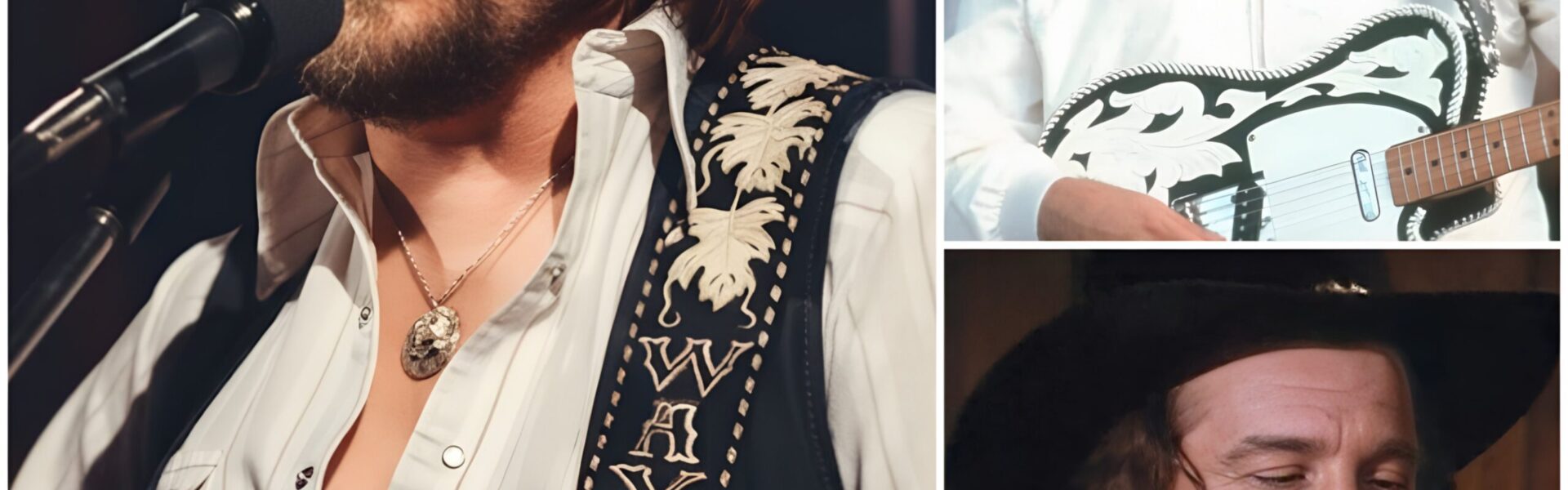
“White Lightning” is one of the songs that helped define Waylon Jennings’ early career and contributed to the development of the outlaw country sound. Originally written and recorded by The Big Bopper (J.P. “Jiles” Richardson) in 1959, the song tells the story of moonshine whiskey, a common theme in country music of the era. Jennings’ version, recorded in 1964, captured the raw energy of his live performances and introduced him to a wider country audience.

Origins of the Song
The original “White Lightning” was penned by The Big Bopper, best known for his hit “Chantilly Lace.” Richardson wrote the song shortly before his untimely death in the plane crash that also claimed the lives of Buddy Holly and Ritchie Valens in February 1959. The song was released posthumously and became one of Richardson’s most enduring compositions.
Written as a rockabilly number, “White Lightning” quickly became a staple in honky-tonk repertoires across the South and Southwest. Its subject — moonshine whiskey, homemade and often illegal — resonated deeply with rural audiences and later became a recurring theme in outlaw country music of the 1970s.
Waylon Jennings’ Interpretation
Waylon Jennings recorded his version of the song for his album “Waylon at JD’s” in 1964. At the time, Jennings was performing regularly at JD’s club in Phoenix, Arizona, and the album was recorded live, capturing the energy and authenticity of his performances.
Jennings’ version introduced him to country audiences before his major label success and showcased his ability to blend country with rock and roll influences, a combination that would later become his signature outlaw country sound. His gritty baritone and driving rhythms gave the song a fresh feel, bridging the gap between the honky-tonk roots of the song and the burgeoning rebellious spirit of the 1960s music scene.

Lyrics and Themes
“White Lightning” tells the story of moonshine whiskey, brewed by a father in the North Carolina hills. The lyrics recount the humor, danger, and charm of moonshining:
-
The father distills white lightning late into the night.
-
Government agents, including G-men and T-men, are constantly searching for his hidden brew.
-
The narrator humorously details the potent effect of the whiskey on anyone who tastes it.
Jennings’ performance highlighted both the storytelling and rowdy, rebellious nature of the song, making it a perfect fit for his live sets.
Impact and Legacy
Jennings’ “White Lightning” helped establish him as a rising star in country music. The song’s success was not just about commercial appeal — it also influenced the thematic direction of country music. Moonshine and rural rebellion became recurring subjects in outlaw country, giving future artists the freedom to explore themes outside the polished Nashville mold.
The song has since been covered by numerous artists, including George Jones, Hank Williams Jr., and various rockabilly revival acts, cementing its place as a classic in the genre. Jennings’ live rendition remains celebrated for its raw energy, blending honky-tonk storytelling with rock-infused country rhythms.

The Cultural Significance of Moonshine Songs
“White Lightning” also represents a broader cultural phenomenon in American country music: the romanticization of moonshine and rural life. These songs celebrated defiance, resilience, and humor in the face of legal or societal restrictions. Jennings’ version, with its live, gritty recording, helped pave the way for the Outlaw Movement in country music that would emerge in the 1970s, emphasizing authenticity and artistic freedom.
Conclusion
Waylon Jennings’ recording of “White Lightning” is more than just a cover of a Big Bopper hit; it is a pivotal moment in country music history. The song introduced Jennings’ unique style, blending honky-tonk storytelling with rockabilly energy, and helped set the stage for the outlaw country movement that would dominate in the 1970s.
From its humorous lyrics about moonshine to the raw power of Jennings’ live performance, “White Lightning” remains a testament to the spirit of rebellion, creativity, and authenticity in country music — qualities that would define Waylon Jennings’ legendary career.