🚨 Controversy, Claims, and Caution: The Steelers–Browns Game That Sparked an NFL Firestorm


🚨 Controversy, Claims, and Caution: The Steelers–Browns Game That Sparked an NFL Firestorm
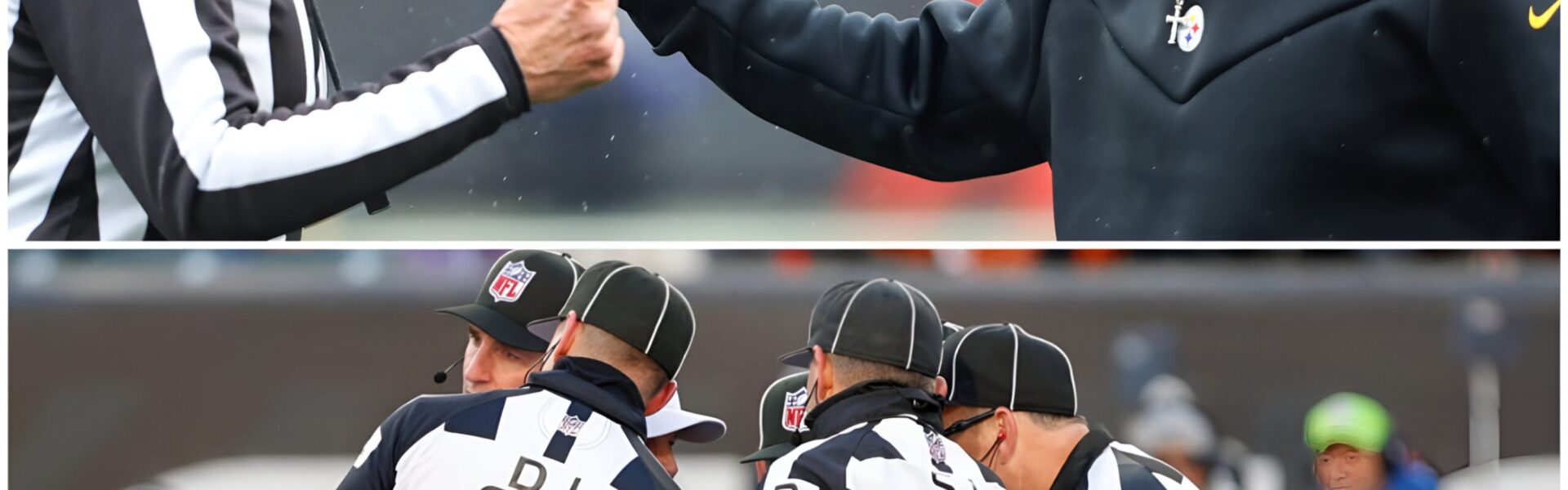
In the National Football League, few things ignite public anger faster than questions about officiating integrity. That reality came roaring back into focus after the recent Pittsburgh Steelers–Cleveland Browns matchup, where a wave of claims, counterclaims, and speculation swept through fan bases and media alike. Social platforms lit up with allegations that officiating decisions—missed calls, non-calls, and judgment moments—tilted the outcome. The intensity of the reaction created a volatile mix of outrage, rumor, and demands for accountability.
It’s important to be precise from the outset: there has been no official confirmation from the NFL of game-fixing or verified intent by officials. What exists is a rapidly evolving controversy—one fueled by disputed moments on film, heightened rivalry emotions, and a broader skepticism many fans already feel about officiating consistency.
How the Controversy Took Shape
The flashpoint came from several high-leverage plays that fans and analysts flagged as questionable. Penalty thresholds appeared to change from drive to drive. Contact that drew flags earlier went uncalled later. On replay, some sequences looked ambiguous; others seemed plainly debatable. As the Browns secured the win, Steelers supporters interpreted the pattern as more than coincidence.
Within hours, narratives hardened. Clips circulated with slowed frames and annotations. Commentators argued over rule interpretations. The phrase “ignored violations” trended—not as a finding, but as an accusation repeated often enough to feel like fact in some corners of the internet.
This is how modern sports controversies escalate: interpretation becomes insinuation, and insinuation risks becoming allegation.

What the League Typically Does—and Doesn’t—Do
Historically, when officiating performances are questioned, the NFL’s process is measured and internal. Officials are evaluated weekly. Grades are assigned. Corrections are communicated to crews. On rare occasions, officials may be reassigned or held out of future games—but the league almost never labels intent, and it does not litigate public outrage in real time.
Because of that, any claim of emergency suspensions or deliberate misconduct requires formal league confirmation. Absent that, responsible analysis must distinguish between perceived error and proven wrongdoing.
Why Fans Are Especially Sensitive Right Now
This reaction didn’t arise in a vacuum. Across the league, fans have voiced concerns about:
-
Inconsistent enforcement of contact rules
-
The difficulty of officiating speed-of-play moments
-
The influence of replay on rhythm and fairness
When close games swing on a handful of calls, frustration compounds—especially in rivalry matchups where stakes and emotions are already elevated. For Steelers fans, the loss felt “earned away,” while Browns fans defended the result as within the game’s natural variance.
Both responses can coexist. That tension fuels debate.
The Difference Between Error and Conspiracy
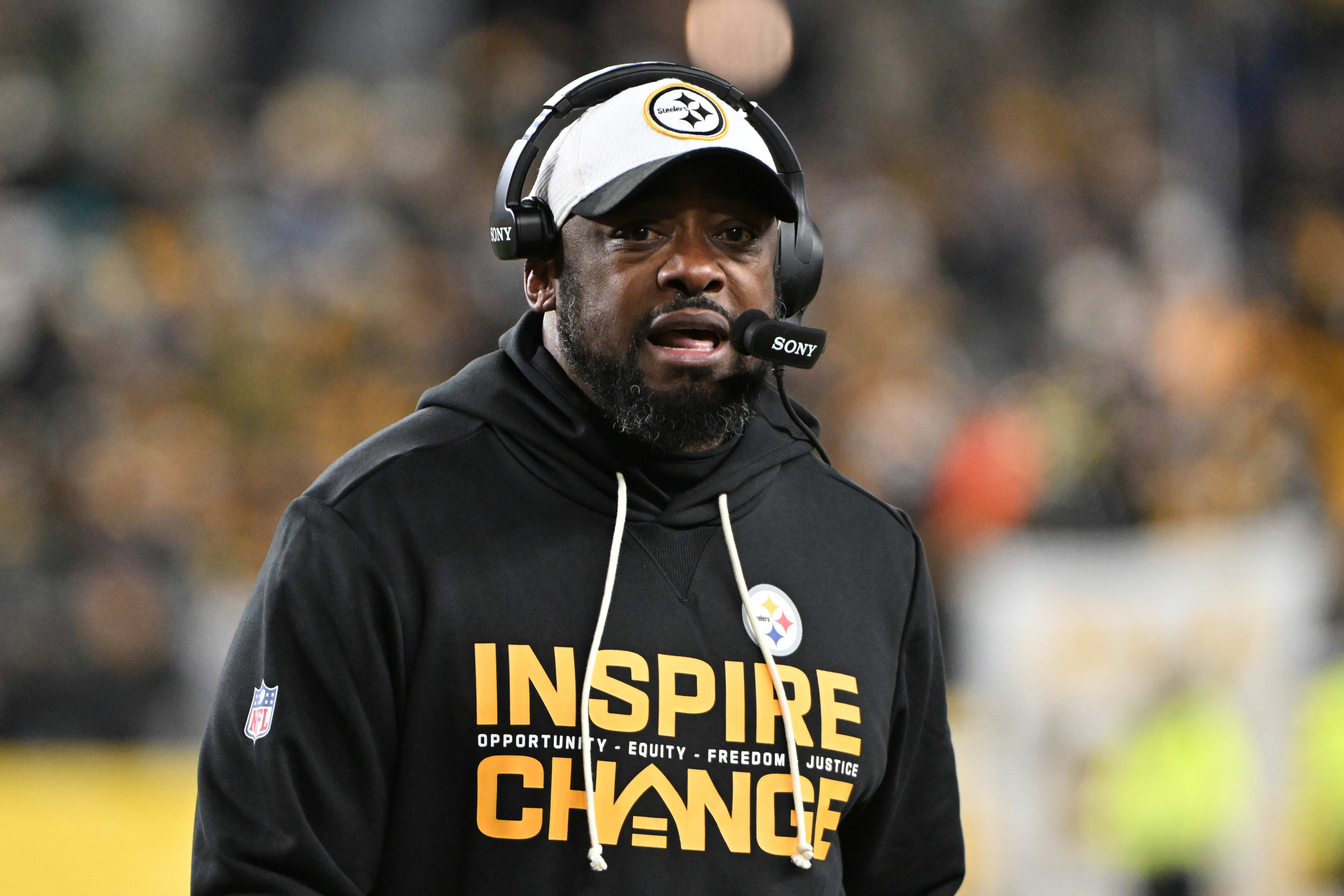
It’s critical to draw a line between human error and conspiracy claims. Football is fast. Officials make judgment calls in milliseconds. Errors—sometimes costly—do happen. Conspiracies, however, require evidence of coordination, motive, and confirmation across independent review layers.
To date, no such evidence has been publicly verified. Calls for investigation often arise during heated moments, but investigations—when warranted—are methodical and evidence-driven, not reactionary.
What an Investigation Would Actually Examine
If the league were to review the game (as it routinely reviews all games), it would likely focus on:
-
Rule application consistency
-
Crew positioning and sightlines
-
Replay command decisions
-
Communication between officials
Notably, these reviews aim to improve accuracy, not assign malice. Findings typically lead to training adjustments rather than public sanctions.
Media Responsibility in Moments Like This
When allegations escalate, media outlets face a choice: amplify claims or contextualize them. Responsible coverage separates what is known from what is alleged and avoids presenting speculation as fact.
Phrases like “game-fixing” are especially potent—and potentially damaging—when not supported by evidence. Once used, they’re hard to retract, even if later disproven. The long-term cost is trust—both in officiating and in coverage itself.
The Players’ Perspective
Inside locker rooms, players often respond differently than fans. Veterans know officiating ebbs and flows. They focus on controllables: execution, discipline, and margins. While frustration is real, many players avoid public accusations, understanding how quickly narratives can spiral.
That restraint doesn’t negate fan feelings—but it provides perspective.
Why Transparency Still Matters
Even without proven wrongdoing, clarity helps. Fans want explanations. They want acknowledgment when mistakes occur. Leagues that communicate how rules were applied—and why—reduce speculation.
The NFL has taken steps in recent years with officiating explanations and pool reports, but moments like this show there’s room for improvement. Transparency isn’t an admission of guilt; it’s a commitment to credibility.
What Comes Next
In the days following controversies like this, several things typically happen:
-
Internal grading of the officiating crew
-
Quiet adjustments to future assignments
-
Rule emphasis reminders to officials and teams
-
Media attention fades as the schedule moves on
What doesn’t usually happen is public confirmation of conspiracies—because those require proof that rarely exists.

Conclusion: Passion, Proof, and Perspective
The Steelers–Browns game ignited anger because it mattered—and because fans care deeply about fairness. That passion is part of what makes the NFL compelling. But passion must be paired with proof. Allegations should prompt questions, not conclusions.
Until the league confirms findings, the responsible stance is cautious scrutiny: review the tape, understand the rules, demand clarity—but resist turning frustration into certainty.
In the NFL, trust is fragile. Preserving it requires accountability and restraint.