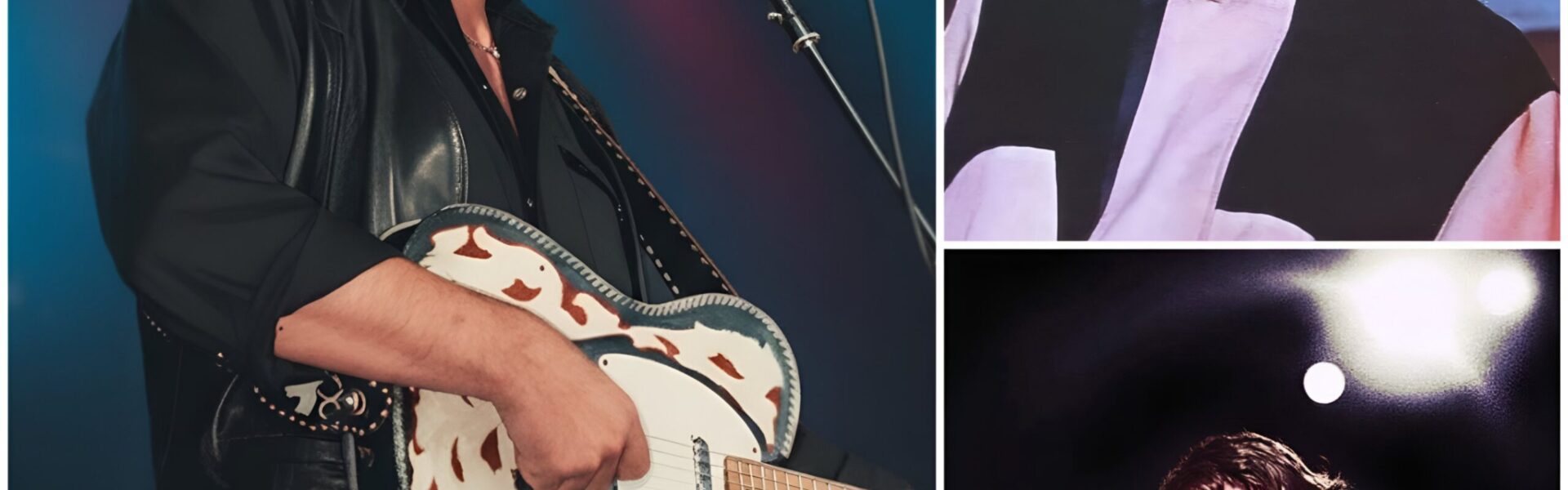

Waylon Jennings – Only Daddy That’ll Walk the Line
The Early Hit That Helped Shape an Outlaw Legend
About the Song
“Only Daddy That’ll Walk the Line” is a defining early single performed by Waylon Jennings, released in 1968 through RCA Victor. Written by Jimmy Bryant and first recorded by Jennings himself, the song quickly became one of his breakout successes. The track climbed to No. 2 on the Billboard Hot Country Singles chart on August 24, 1968, where it remained for an impressive 15 weeks. It also crossed over into the mainstream, reaching No. 67 on the Billboard Hot 100, a notable achievement for a country record at the time.
Clocking in at just 2 minutes and 20 seconds, the song carries a punch far bigger than its short runtime. Its bold lyrics and rhythmic intensity made it instantly memorable, especially lines like:
“Everybody knows you’ve been steppin’ on my toes / And I’m gettin’ pretty tired of it, you know.”
These words captured Jennings’ frustration with being pushed around — a theme that mirrored his own life and career at that moment.

Recorded in Nashville, But Born to Break the Mold
Jennings recorded the song in 1968 at RCA Studio B in Nashville, Tennessee, under the production of Chet Atkins — one of the most influential architects of the polished “Nashville Sound.” Yet despite being recorded in the heart of Music City’s traditional system, the song already hinted at something rougher, louder, and less controlled.
The session featured The Waylors, Jennings’ longtime backing band, including:
-
Ralph Mooney on steel guitar
-
Jerry Gropp on guitar
-
Richie Albright on drums
Their contributions shaped the song’s unmistakable backbone: a driving drumbeat, sharp guitar edges, and a dominant steel guitar riff that sliced through the mix. Jennings’ gritty, commanding vocal delivery pushed the song even further away from the clean-cut sound that Nashville producers usually favored. The result was a track that sounded confident, rebellious, and emotionally raw — early ingredients of the outlaw country movement he would later lead.
More Than a Song — a Statement of Identity

At the time of recording, Jennings was in the middle of a creative struggle with RCA, pushing back against the label’s desire for softer production and tighter control. Instead of bending, Jennings used music to assert his ground.
In a 1968 interview with Country Music magazine, Jennings explained:
“It’s about standing your ground, and I felt that in every note.”
The song wasn’t just describing a stubborn man in a rocky relationship — it was describing Waylon himself, refusing to be boxed in, silenced, or reshaped by others.
The accompanying album Waylon (1970), which later included the song, climbed to No. 8 on the Billboard Top Country Albums chart and had sold more than 200,000 copies by 1972, further cementing Jennings’ place as a rising force in country music. Even early in his career, it was clear that his path wouldn’t follow the rules for long.
The Song’s Reach in Pop Culture
“Only Daddy That’ll Walk the Line” gained early exposure through Jennings’ performance in the 1968 NBC television special Country Music Caravan, where he delivered the track live with unfiltered energy. That broadcast helped push the song beyond radio listeners and into American living rooms.
The song continued to echo through pop culture decades later, appearing in:
-
The 1985 film Sweet Dreams during a bar scene
-
The 2017 Netflix series The Ranch in a rugged character moment
-
A 2019 PBS documentary Waylon Jennings: Outlaw Roots, exploring his legacy
-
Major music databases documenting covers and alternate recordings

Covers, Live Versions & Duets
Jennings’ version inspired multiple covers, including:
-
Bobby Bare (1968)
-
The Everly Brothers (1975)
Jennings also revisited the song himself several times:
-
A 1969 live Opry recording, released in 2008
-
A 1978 duet recording with Willie Nelson, featured on Waylon & Willie
-
A 1981 duet version with Jessi Colter, on Leather and Lace
It became a concert staple, opening the 1970 Dripping Springs Reunion in Texas, and was later performed at the 1976 Willie Nelson Fourth of July Picnic in Gonzales, Texas.
Legacy
Though released long before Jennings fully embraced the outlaw image, “Only Daddy That’ll Walk the Line” remains one of the earliest tracks to reflect his defiance, independence, and emotional honesty. It foreshadowed the revolution he would later ignite — one that rejected polish for truth and rules for soul.
The song stands today as a reminder that:
-
Waylon didn’t wait to become an outlaw…
-
He sounded like one from the very start.