Elon Musk: What He Sacrificed to Become One of the World’s Most Powerful and Controversial Billionaires

Elon Musk is a name that almost everyone has heard at least once. He is associated with some of the most influential companies of the modern era: SpaceX, Tesla, Neuralink, The Boring Company, OpenAI, and Twitter (now X). With a personal fortune estimated at around 146 billion USD at the time this video goes live, Musk ranks among the richest people on the planet. But numbers alone don’t explain his position—or the controversy that follows him everywhere. To reach this level of influence, Elon Musk has paid a price far greater than money. And the very traits that fueled his rise are the same ones that divide public opinion so sharply.

From the outside, Musk’s story often looks like a near-mythical success narrative: a visionary entrepreneur who repeatedly bets on the future and wins. But behind that image lies a life shaped by extreme risk, relentless pressure, and personal sacrifice. Musk did not build his empire by choosing safe paths. Time and again, he invested everything—financially, emotionally, and mentally—into ideas that most people considered unrealistic or outright impossible. Electric cars were supposed to fail. Private spaceflight was considered a fantasy. Brain-computer interfaces sounded like science fiction. Yet Musk pushed forward, often when logic and public opinion were firmly against him.
One of the greatest things Musk has sacrificed is stability. His career has been defined by constant uncertainty. During the late 2000s, he came dangerously close to financial ruin when both Tesla and SpaceX were on the verge of collapse at the same time. Musk has admitted that he poured nearly all his personal wealth into saving these companies, leaving himself with little cash and enormous stress. At that point, failure wouldn’t have just meant losing money—it would have meant losing everything he had built and believed in. Living for years under that level of pressure reshapes a person, and not always in gentle ways.
Another major cost has been his personal life. Musk’s relationships and marriages have been widely publicized, often ending in separation or divorce. He has spoken openly about loneliness, emotional exhaustion, and the difficulty of maintaining deep personal connections while running multiple world-changing companies at once. Work has rarely stopped for him. Seventy- to hundred-hour workweeks are not an exception, but a standard. For Musk, stepping away often feels like falling behind, and that mindset leaves little room for rest or balance. Many critics argue that this obsession comes at the expense of family and emotional well-being—and they may not be wrong.
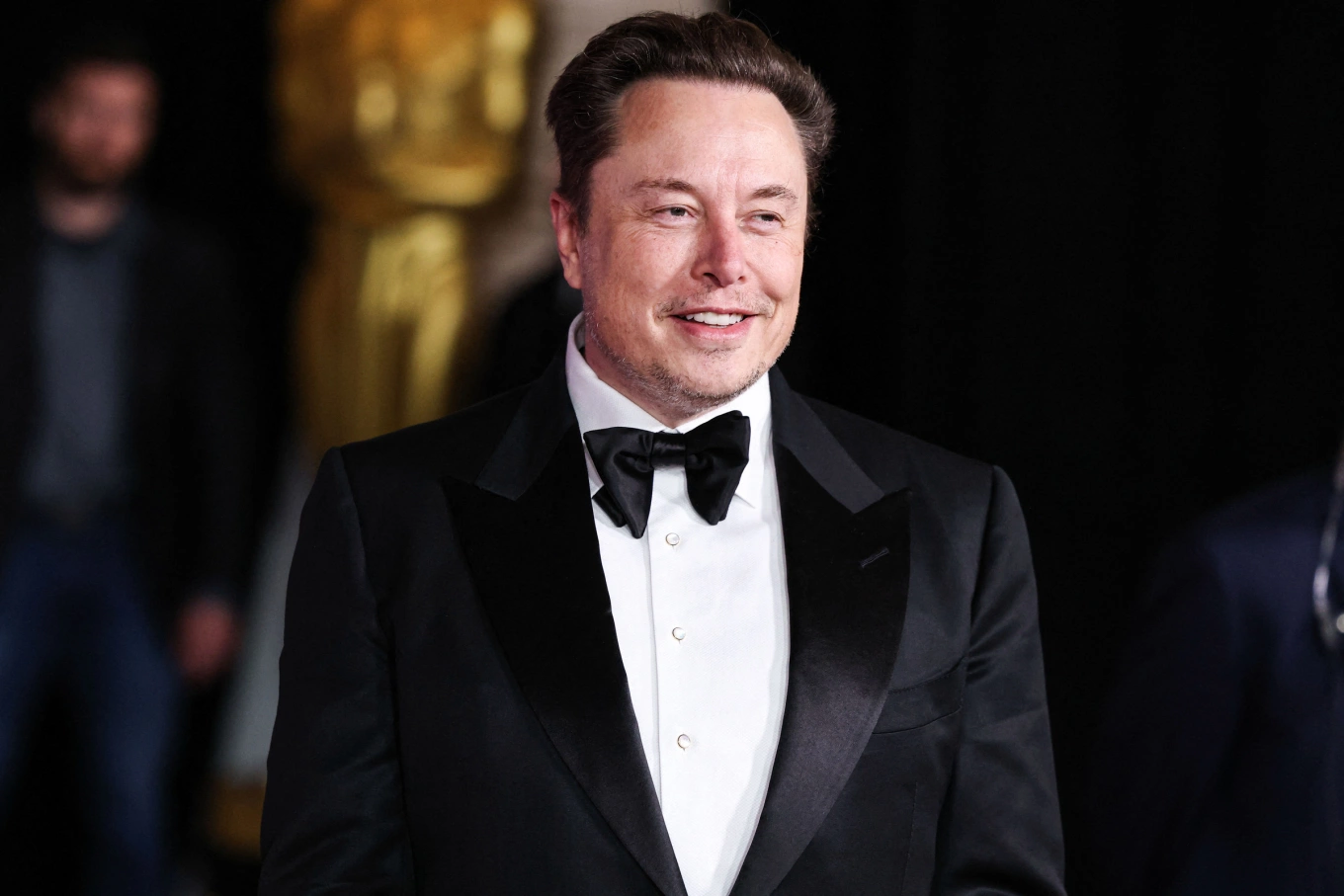
Sleep deprivation and mental strain are also recurring themes in Musk’s life. He has publicly discussed periods of intense burnout, insomnia, and emotional fatigue. Running companies that operate at the edge of technological possibility means dealing with constant crises—failed rocket launches, production bottlenecks, regulatory battles, and public backlash. Over time, this pressure has shaped Musk into someone who appears blunt, impatient, and sometimes emotionally detached. Supporters see this as the cost of carrying enormous responsibility. Critics see it as an excuse for poor behavior.
This brings us to the heart of why Elon Musk is such a controversial figure. His personality is deeply polarizing. On one side, he is admired as a fearless innovator who refuses to follow conventions. On the other, he is criticized for impulsive decisions, provocative statements, and a management style that many consider harsh. Musk often speaks his mind publicly, especially on social media, without filtering his thoughts through public relations teams. While some praise this as authenticity, others view it as recklessness—especially when his words can move markets, influence politics, or affect thousands of employees.
Musk’s involvement with Twitter/X intensified this controversy even further. By positioning himself as a defender of free speech, he stepped directly into political and cultural conflicts. Decisions about content moderation, layoffs, and platform direction triggered strong reactions from all sides. To some, Musk became a symbol of resistance against censorship. To others, he became an example of how unchecked power can destabilize institutions. Either way, the debate surrounding him grew louder and more emotional.
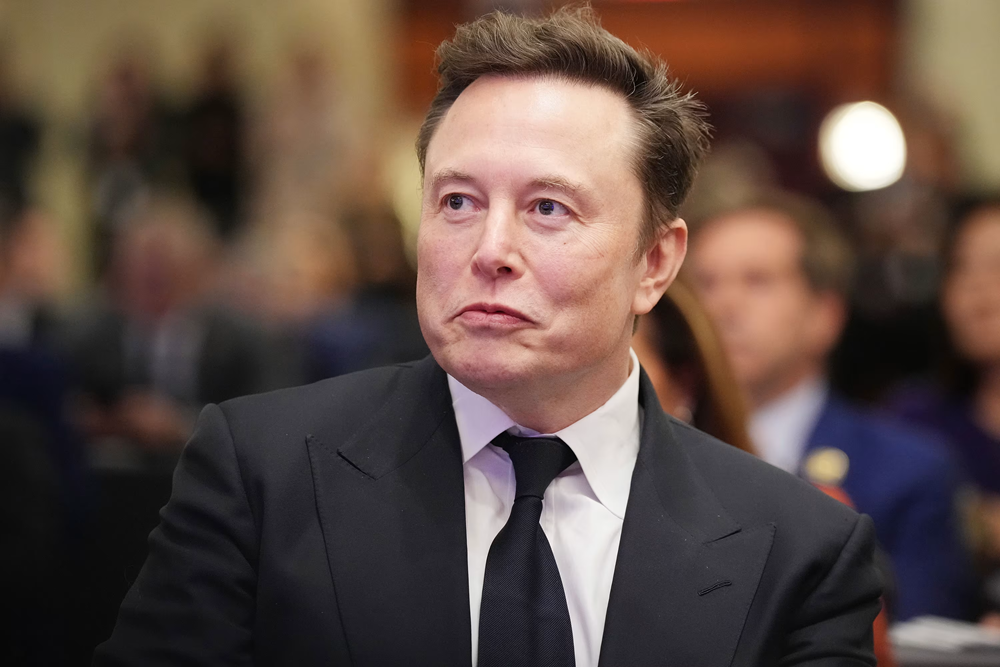
Another reason Musk divides opinion is his leadership philosophy. He demands extreme dedication and expects employees to operate at maximum intensity. Those who thrive under pressure often describe working for him as the most meaningful experience of their careers. Those who don’t often describe it as exhausting or unforgiving. Musk does not try to be universally liked. He prioritizes outcomes over comfort, speed over consensus. That approach builds revolutionary products—but it also leaves casualties along the way.
Ultimately, Elon Musk’s position as one of the world’s richest and most influential individuals is not the result of luck or charisma alone. It is the outcome of years of extreme risk-taking, personal sacrifice, and a willingness to live with consequences most people would avoid. He has traded peace for progress, balance for ambition, and privacy for impact. Whether history judges him as a hero, a villain, or something in between will depend on how his visions shape the future.
What is certain is this: Elon Musk did not reach the top without losing parts of himself along the way. And perhaps that is the real reason he fascinates—and unsettles—so many people.
https://www.youtube.com/watch/QMr2hMSpPOQ