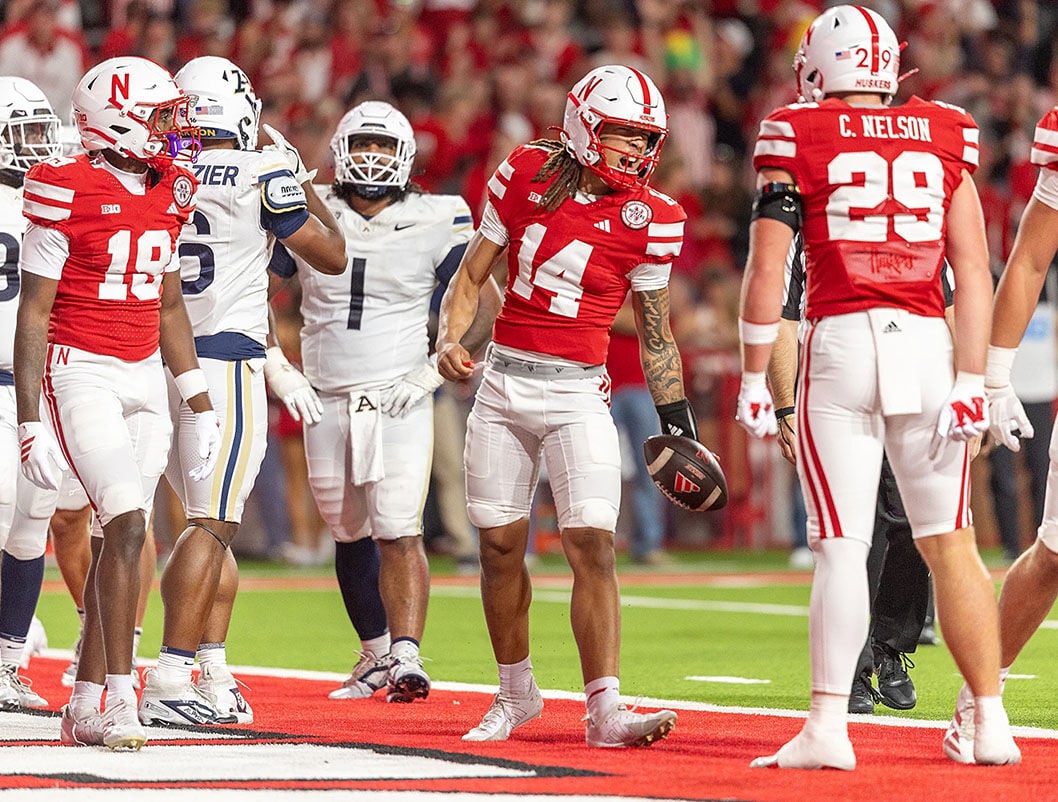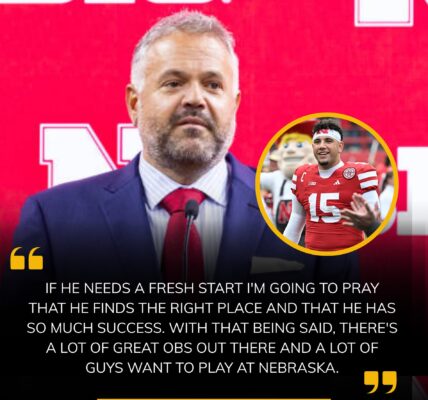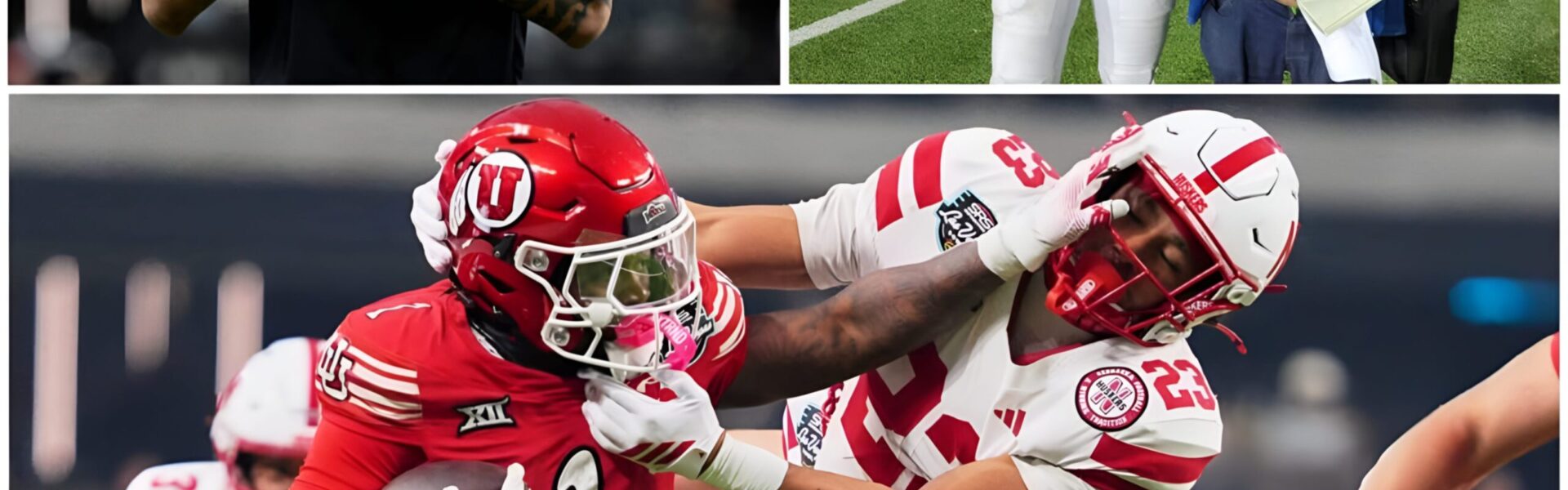
Under the bright lights of the Las Vegas Bowl, Nebraska’s 22–44 loss to Utah initially looked like a painful collapse defined by missed opportunities and a harsh scoreboard. But moments after the final whistle

Under the bright lights of the Las Vegas Bowl, Nebraska’s 22–44 loss to Utah initially looked like a painful collapse defined by missed opportunities and a harsh scoreboard. But moments after the final whistle, the story shifted into something far deeper — something that reached beyond football — when T.J. Lateef’s mother stepped forward to speak on her son’s behalf.
“Please try to understand my son.”
It was a simple sentence, yet it stopped the noise around the loss almost instantly.
When football becomes human
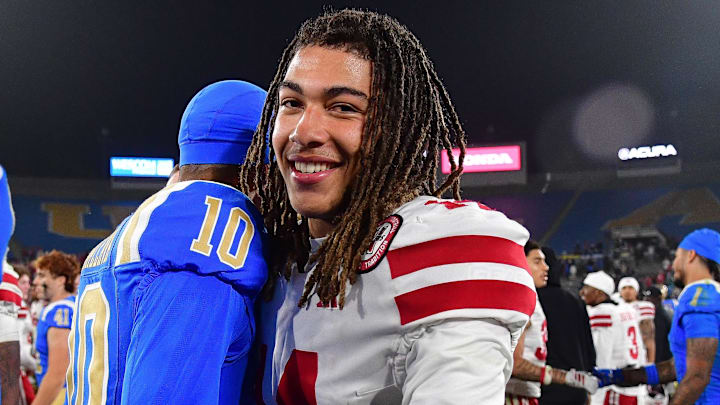
At the highest level of college football, players are often judged like machines — measured by statistics, decisions, and outcomes. Quarterbacks, especially, are expected to absorb pressure without showing cracks. But behind the helmet and the expectations, they are still young men navigating intense emotional and mental demands.
Lateef’s mother revealed that, before the game, her son had been struggling with serious mental health challenges. Despite this, he chose to play — not at full capacity, not at his best, but with everything he had left. Her words reframed the loss, transforming it from a question of performance into one of courage and humanity.
The weight of being “the guy”
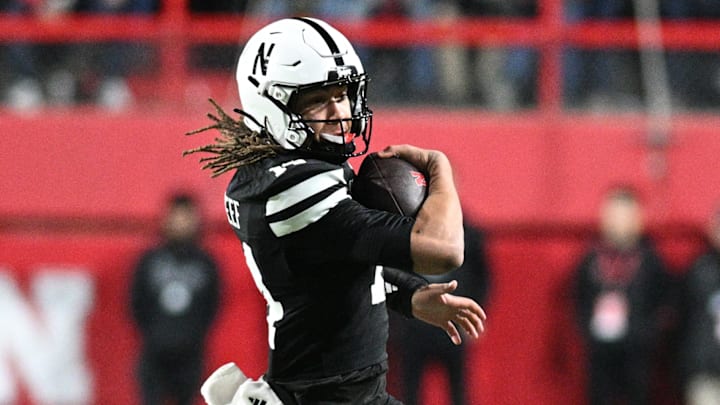
For Nebraska, the quarterback is never just a position. It’s a symbol of leadership, tradition, and hope. T.J. Lateef carries not only the playbook, but the expectations of a fanbase desperate to see the program rise again.
When the Cornhuskers fell behind early and never recovered, criticism quickly followed. But the revelation about Lateef’s mental state forced many to pause and reflect: how much can we reasonably expect from a player who is already fighting a private battle?
“He gave everything he could”
What resonated most with fans was not an excuse, but a declaration of effort. Lateef didn’t step away. He didn’t protect himself from scrutiny. He took the field, absorbed the hits, and stood in the fire even when he wasn’t whole.
Mental resilience is harder to see than physical toughness, but often more demanding. Playing through emotional strain requires a different kind of bravery — one that doesn’t show up in box scores but leaves a lasting impression.
A shift in fan response
As her message spread, the tone among Nebraska fans changed dramatically. Harsh criticism gave way to empathy. Support flooded in, with many acknowledging they had judged too quickly without knowing the full picture.
Messages poured across social media:
“We’re with you.”
“Your health comes first.”
“Take the time you need — we’ll still be here.”
It wasn’t just support for one quarterback, but a broader recognition that athletes deserve understanding, not just expectations.
A message for college football
This moment extends beyond Nebraska. It highlights a growing conversation across college sports: mental health matters just as much as physical readiness. Players are students, competitors, and people — often carrying enormous pressure at a very young age.
Lateef’s situation reminds us that toughness isn’t about ignoring pain; it’s about confronting it honestly. And sometimes, the strongest thing a program can do is listen.
More than a loss
The 22–44 defeat will remain in the record books. But what lingers longer is the reminder that football, at its core, is played by human beings. T.J. Lateef didn’t hide from responsibility. His family didn’t ask for excuses. They asked for understanding.
And in that moment, college football was reminded that real strength isn’t defined by how you perform when everything is perfect — but by how you stand when everything is heavy.
For Nebraska, this loss may yet become a turning point — not because of the score, but because of the compassion it awakened.