
BREAKING: U.S. ARRESTS VENEZUELAN PRESIDENT — A GAME-CHANGING MOMENT
In a dramatic turn of events, Nicolás Maduro, the president of Venezuela, has been arrested by U.S. authorities, marking a pivotal moment in both international relations and the political landscape of Venezuela. The arrest has sent shockwaves through global politics, with reactions pouring in from both supporters and critics of Maduro. For many Venezuelans, this represents a moment of immense relief and hope, while others see it as a dangerous power play by the United States. Elon Musk, among many others, reacted to the news with a sense of optimism, referring to it as “heartwarming” to witness the celebrations of Venezuelans as they are freed from what many view as a brutal and oppressive regime.
The Arrest of Nicolás Maduro
:max_bytes(150000):strip_icc():focal(764x339:766x341)/elon-musk-2-a4fbdaf0d4bb4fb8bca7c10d13abcff7.jpg)
The arrest of Nicolás Maduro came after years of political unrest, economic collapse, and widespread protests in Venezuela, which have been fueled by the government’s increasing authoritarian tactics. Maduro, who succeeded Hugo Chávez as president in 2013, has long been accused of corruption, human rights violations, and undermining democratic processes in the country. Under his leadership, Venezuela’s economy has been devastated by hyperinflation, unemployment, and shortages of basic goods like food and medicine, leading millions to flee the country.
The United States, along with many European nations and regional organizations, has accused Maduro of perpetuating a dictatorship, maintaining power through fraudulent elections, and repressing opposition. In 2019, the U.S. government, led by then-President Donald Trump, recognized opposition leader Juan Guaidó as the legitimate president of Venezuela, further deepening the political divide. Maduro’s regime, however, continued to maintain control, despite international sanctions and growing dissent from within the country.
Maduro’s arrest represents the culmination of years of pressure from both the international community and Venezuelan opposition forces. Details of the arrest remain sparse, but sources confirm that it occurred early this morning as part of a coordinated effort between U.S. federal authorities and various intelligence agencies. Maduro is facing a host of charges, including drug trafficking, money laundering, and human rights violations, all of which he has consistently denied. Many believe his arrest was the result of extensive investigations into his involvement with criminal cartels and the corruption that has flourished under his administration.
Venezuelans Celebrate

For many Venezuelans, the news of Maduro’s arrest is a cause for celebration. The streets of Caracas, Venezuela’s capital, erupted in jubilant protests, with people waving flags, chanting slogans, and singing songs of freedom. For years, Venezuelans have lived under the suffocating grip of Maduro’s government, enduring poverty, fear, and oppression. The economy has collapsed, inflation has soared to astronomical levels, and basic necessities like food, medicine, and electricity have been in short supply.
The people who gathered in the streets today, despite the government’s efforts to suppress such gatherings, see this moment as the end of an era. The arrest represents hope for a better future — one where Venezuela can finally begin to heal and rebuild after years of suffering under Maduro’s rule. The spontaneous celebrations that erupted across the country are a testament to the deep-rooted anger and frustration that has been simmering beneath the surface for years.
For many, the arrest symbolizes the end of a brutal dictatorship. Maduro’s regime has been accused of using violence to quash opposition and dissent. Human rights groups have documented numerous incidents of extrajudicial killings, torture, and arbitrary arrests under his administration. The arrest of the president, who was once seen as an untouchable figure, is viewed as a victory for the Venezuelan people, who have fought relentlessly for their voices to be heard.
International Reactions
While the celebrations in Venezuela are undeniable, the international response has been more mixed. Governments around the world are carefully watching the unfolding situation, with some expressing support for Maduro’s arrest and others condemning the U.S. for its interventionist tactics.
The United States, of course, has hailed the arrest as a triumph of justice. President Joe Biden and other top officials expressed their satisfaction, stating that Maduro’s arrest was long overdue. U.S. Secretary of State Antony Blinken remarked, “This is a moment for the Venezuelan people to reclaim their dignity and move towards a democratic future.” The Biden administration has made clear its commitment to supporting the Venezuelan people and their struggle for freedom, democracy, and prosperity.
On the other hand, Russia, China, and Cuba, all of which have long been allies of Maduro, have strongly criticized the arrest. These nations see the U.S. actions as an infringement on Venezuela’s sovereignty and a form of Western imperialism. Russia, in particular, has accused the U.S. of attempting to install a puppet government in Venezuela. In a statement issued by the Kremlin, they declared, “The actions of the U.S. are an unlawful intervention in Venezuela’s internal affairs, and we stand in full support of the Venezuelan government and its people.”
The European Union, which has imposed sanctions on Maduro’s regime for years, has been more cautious in its response. While many EU leaders have acknowledged the arrest as a significant step, they have also stressed the importance of maintaining stability in Venezuela and ensuring that any political transition is peaceful and democratic.
Elon Musk’s Reaction
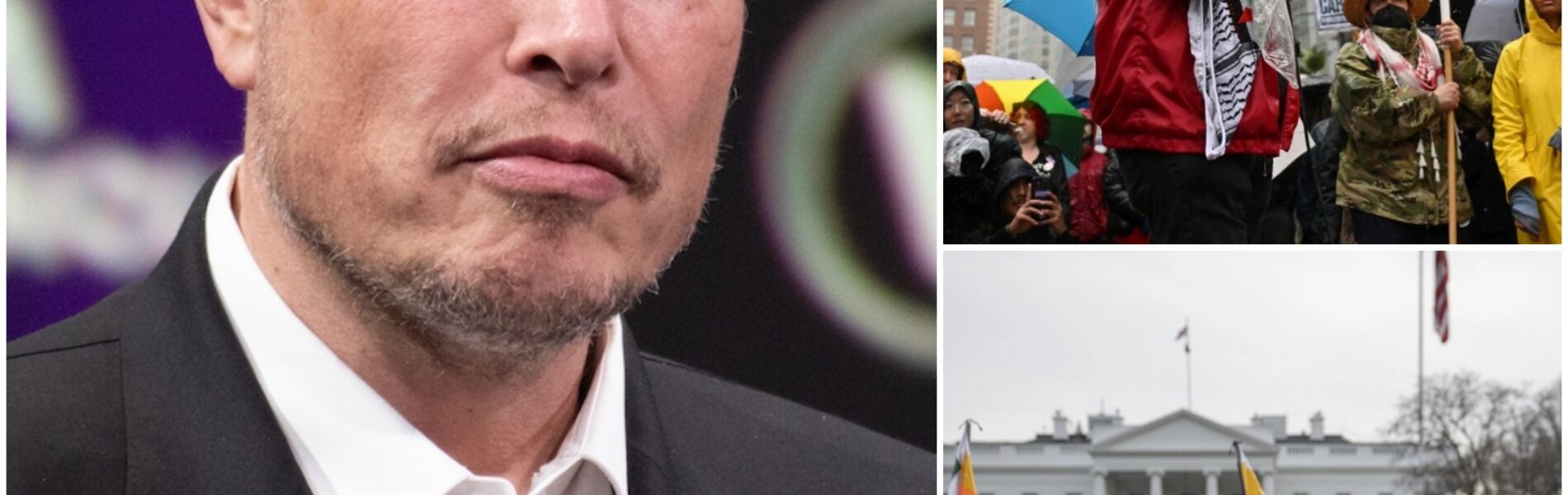
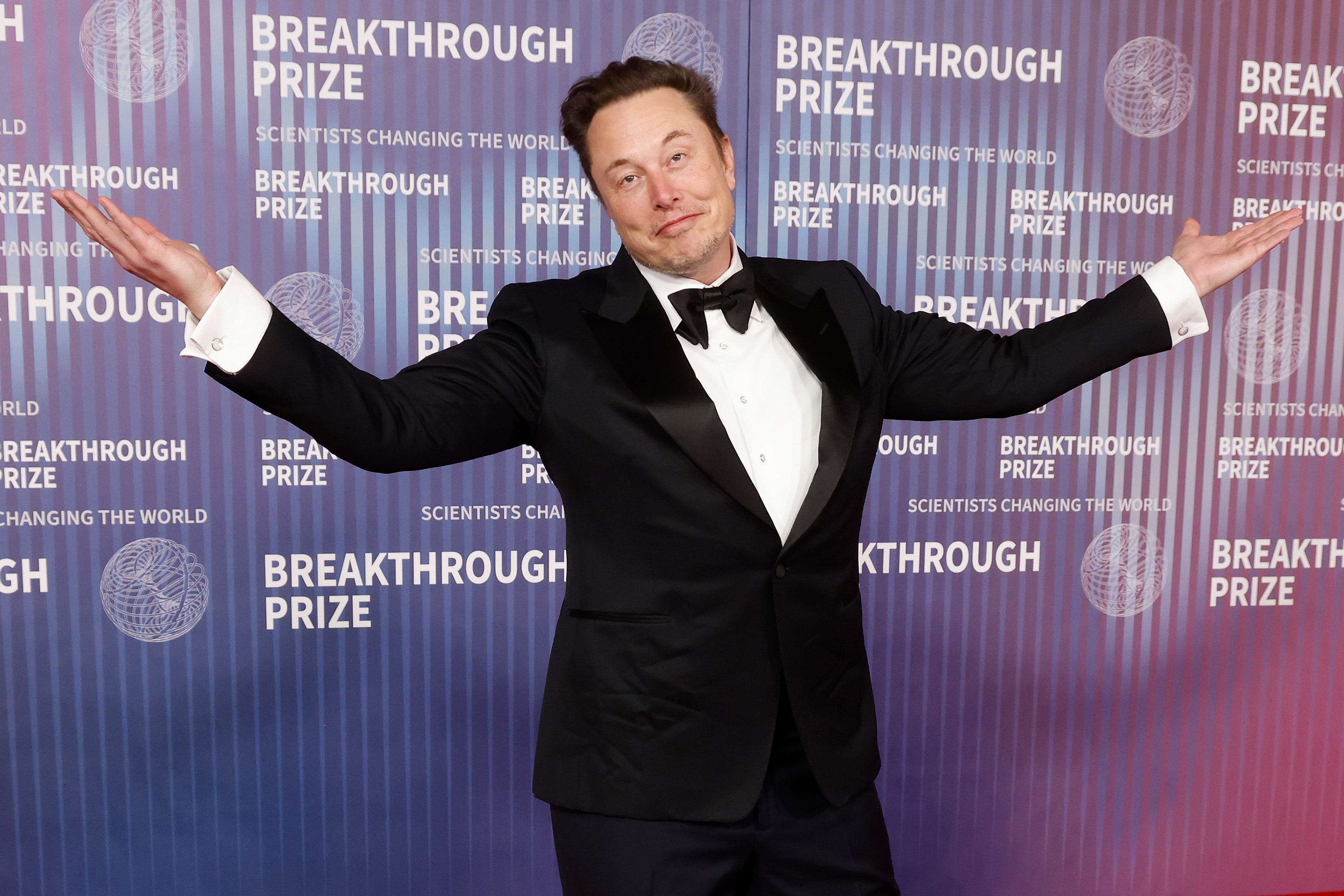
Elon Musk, the billionaire CEO of Tesla and SpaceX, has been known for his outspoken views on various political and social issues. He reacted to the news of Maduro’s arrest with enthusiasm, tweeting that it was “heartwarming” to see so many Venezuelans celebrating their newfound freedom. Musk, whose businesses have seen success in many parts of the world, including Latin America, has frequently expressed his concerns about the negative impacts of authoritarian regimes on innovation and progress.
His tweet resonated with many Venezuelans who see his words as an endorsement of their struggle for freedom. For many, Musk represents the kind of entrepreneurial spirit and technological advancement that they hope to see in Venezuela once the country has moved beyond the dark days of Maduro’s dictatorship.
However, Musk’s remarks also sparked controversy among some of his followers, particularly those who are critical of U.S. foreign policy and its historical interventions in Latin America. Some have accused him of ignoring the complex political realities in Venezuela and merely using the arrest to fuel his own narrative of “freedom” and “progress.”
What Happens Next?
With Maduro now in U.S. custody, the question on everyone’s mind is: what happens next for Venezuela? Many believe that this is just the beginning of a larger political transition in the country. The arrest has created a power vacuum, and it is unclear who will step in to fill the void. While Juan Guaidó, the opposition leader, has been recognized by many countries as the legitimate president of Venezuela, his ability to take control of the country remains uncertain.
The Venezuelan military, which has long been loyal to Maduro, is likely to play a crucial role in determining the future of the country. There are concerns that the military could resist any transition of power, leading to further instability. However, some believe that with Maduro’s arrest, the military may begin to shift its allegiance toward a more democratic future.
In the meantime, the Venezuelan people are left to grapple with the aftermath of years of suffering and uncertainty. For many, Maduro’s arrest is a beacon of hope — a sign that change is finally possible. However, it is also clear that the road to recovery will be long and difficult. Venezuela’s political, economic, and social systems have been decimated by years of mismanagement, corruption, and repression. Rebuilding the country will require not only a political transition but also massive economic and humanitarian efforts.
Conclusion
The arrest of Nicolás Maduro is a turning point in the history of Venezuela. It represents both a victory for the Venezuelan people and a challenge for the international community. While the celebrations in the streets of Caracas are a testament to the people’s resilience and hope for a better future, the true path to peace and prosperity remains unclear.
As the world watches, the hope is that this moment will mark the beginning of a new era for Venezuela — one where freedom, democracy, and justice can finally take root. Whether that vision will become a reality depends on the actions of both the Venezuelan people and the international community in the coming days and years.