When Steps Become a Measure of Greatness: What Tiger Woods Teaches Us Beyond the Swing

When Steps Become a Measure of Greatness: What Tiger Woods Teaches Us Beyond the Swing
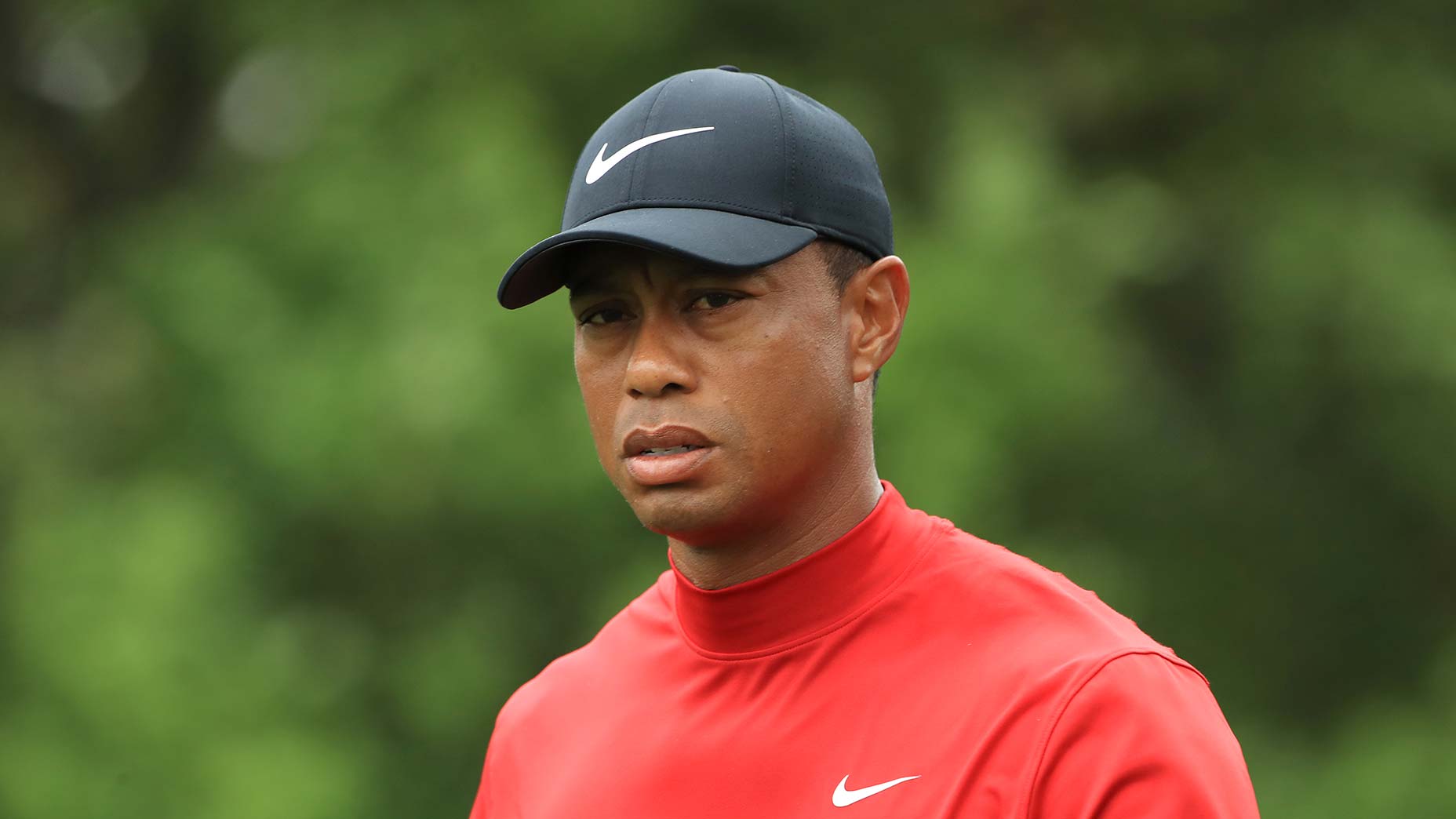
Watch Tiger Woods walk a golf course, and you begin to understand something that statistics, trophies, and highlight reels can never fully explain. Golf, in its purest form, is not only about the strike of the ball or the final score on the leaderboard. It is about presence. It is about awareness. And sometimes, it is about the quiet power of moving forward one step at a time.
From the outside, walking may seem like a simple necessity in golf — a means of getting from tee to fairway, from fairway to green. But in Tiger Woods’ career, walking has always been something more. It is part of his rhythm, his process, and his connection to the course. When Tiger walks, he is not rushing toward the next shot. He is listening — to the terrain, the wind, the sound of his own breath, and the state of his body and mind.
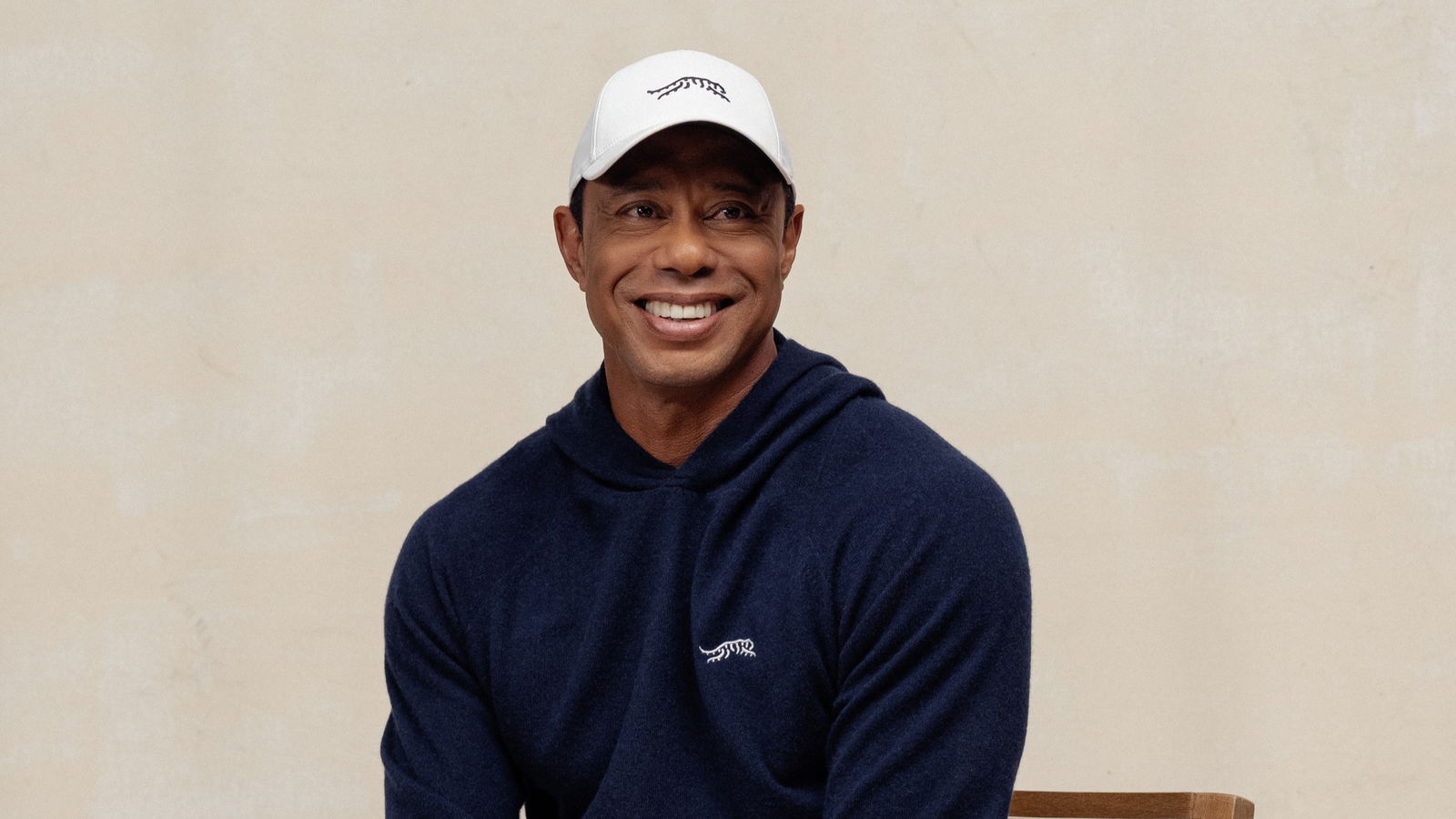
Golf is often described as a game of precision, but it is equally a game of feeling. Every course has its own personality. The firmness of the ground changes with weather. The slopes reveal themselves only when you move across them. Subtle breaks in a green are felt through your feet long before they are seen with the eyes. Walking allows a golfer to absorb these details slowly, intuitively, and completely.
Tiger Woods understood this instinctively from a young age.
He didn’t just study courses from yardage books or practice rounds. He felt them. His walks between shots were moments of recalibration — times to replay the last swing, reset emotionally, and prepare mentally for what came next. In those quiet strides, confidence was rebuilt, frustration was released, and focus was sharpened.
This is why watching Tiger walk down a fairway after a great shot feels different from watching anyone else. There is no excess celebration, no wasted movement. There is intention. His posture, his pace, even the way he adjusts his glove tells a story of mastery rooted in discipline.
Walking also creates accountability.
When you ride in a cart, distance collapses. Mistakes feel lighter because the journey between shots is shortened. But when you walk, every misstep stays with you. You carry the consequences — and the lessons — physically and mentally. Tiger embraced this. He never tried to escape the moment. He walked through it.
That is where the deeper meaning of golf begins to emerge.
Golf mirrors life in uncomfortable ways. You cannot control every bounce, every lie, every gust of wind. What you can control is how you move forward. Do you rush? Do you dwell? Or do you walk with intention, accepting what has happened and preparing for what comes next?
Tiger Woods’ career is filled with moments where walking mattered more than swinging. Comebacks after injury. Long stretches without victories. Pain that would have ended most careers. In those times, walking the course wasn’t just part of the game — it was a declaration of resilience.
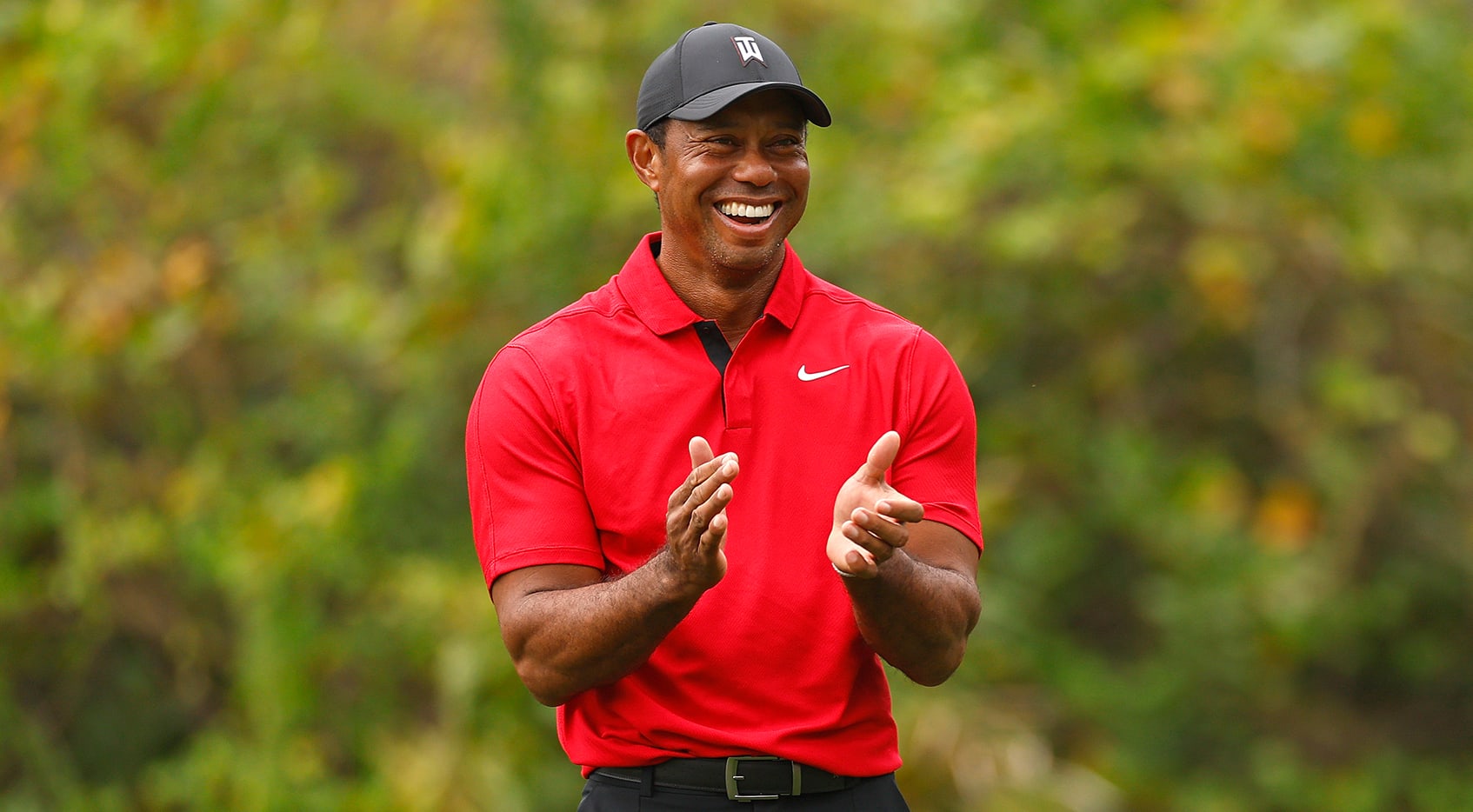
Each step said: I am still here.
When Tiger returned to competitive golf after multiple surgeries, fans noticed something immediately. His walk was different. Slower. More deliberate. And yet, somehow, more powerful. Every step carried history. Every fairway walk became a reminder that greatness is not always about speed or dominance — sometimes it is about endurance.
Walking also invites humility.
Golf punishes ego. The course does not care who you are, what you’ve won, or how famous you’ve become. Walking places you on equal ground with the land itself. Tiger, despite being one of the most dominant athletes in sports history, never walked a course as if it belonged to him. He walked as if he was a guest — observant, respectful, attentive.
This mindset separated him from others.
Many players chase distance, statistics, and numbers. Tiger chased understanding. He learned how a hole felt at different times of day. How pressure changed perception. How silence could be louder than crowds. These insights did not come from data alone — they came from walking.
For amateurs, this lesson is often overlooked.
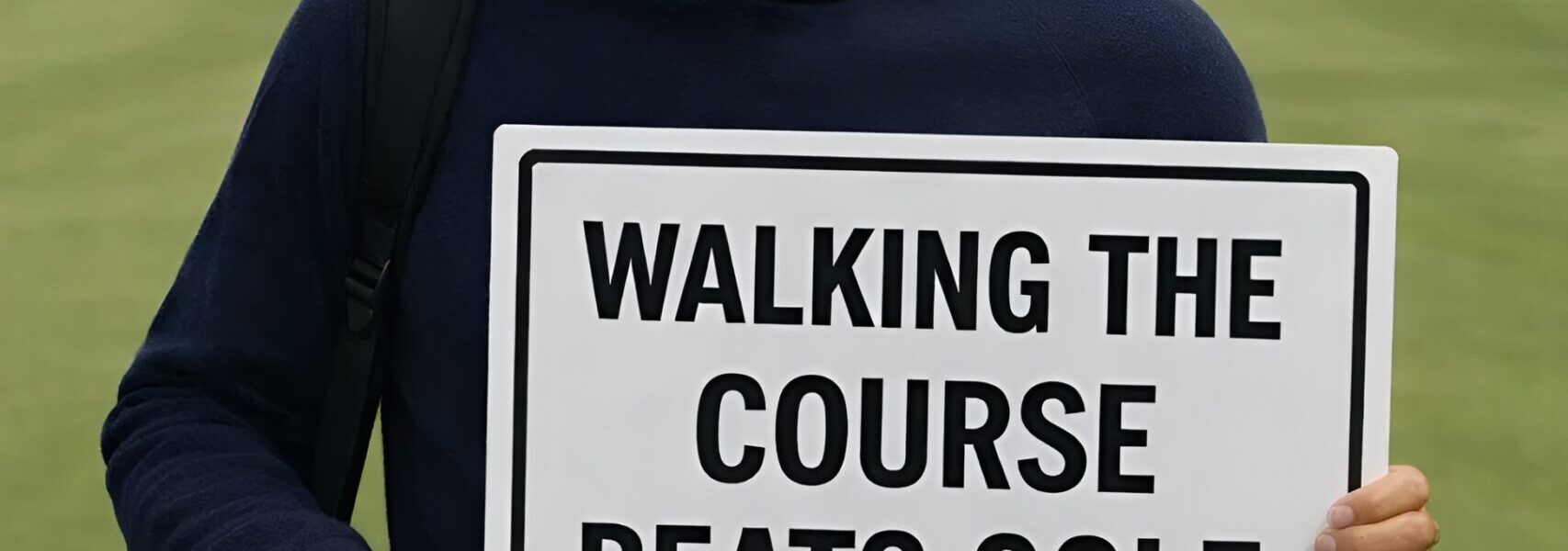
Modern golf culture emphasizes speed and convenience. Carts, GPS devices, and instant feedback promise efficiency. But something is lost when we stop walking. We stop noticing. We stop listening. We stop learning.
When you walk a course, you learn patience. You learn how to recover emotionally between shots. You learn how to breathe after a mistake instead of reacting impulsively. These skills matter far beyond golf.
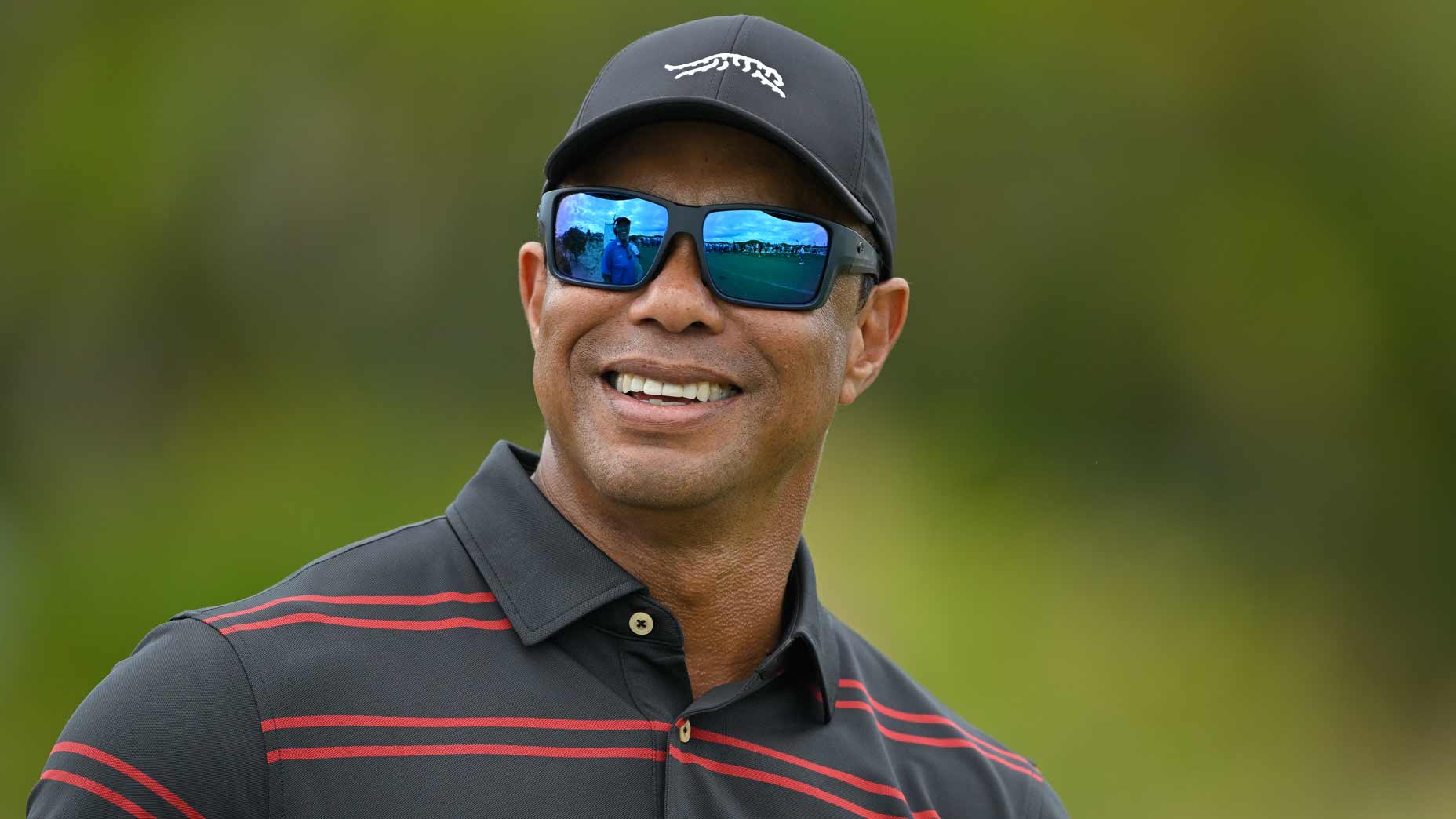
Tiger Woods’ walk teaches us that success is not always explosive. Sometimes, it is steady. Grounded. Earned through consistency rather than spectacle.
The greatest victories of his career were not just defined by final putts, but by the hundreds of small decisions made while walking — when to attack, when to wait, when to trust instinct over impulse.
And perhaps that is the most enduring lesson.
Do not play golf only to chase numbers. Do not rush through experiences just to reach an outcome. Learn to feel where you are. Learn to move through challenges instead of trying to skip over them.
Like Tiger Woods, walk the course.
Feel the ground beneath your feet. Let the journey inform the destination. Let each step teach you something about yourself.
Because in golf — and in life — the sweetest victories are not always measured by scorecards or trophies. They are measured by the quiet confidence that comes from knowing you walked your own path, fully present, all the way to the end.