Jon Stewart Confronts America’s Double Standard: January 6, MAGA Loyalty, and the Limits of Accountability

In a recent episode of The Daily Show, Jon Stewart abandoned his familiar role as a satirist and took on something far more direct: a sober confrontation with what he sees as a growing moral and legal contradiction at the heart of American political life. His message was not wrapped in jokes or softened by irony. Instead, Stewart asked a question that resonated deeply across social media and political commentary: “What the hell is happening in this country?”
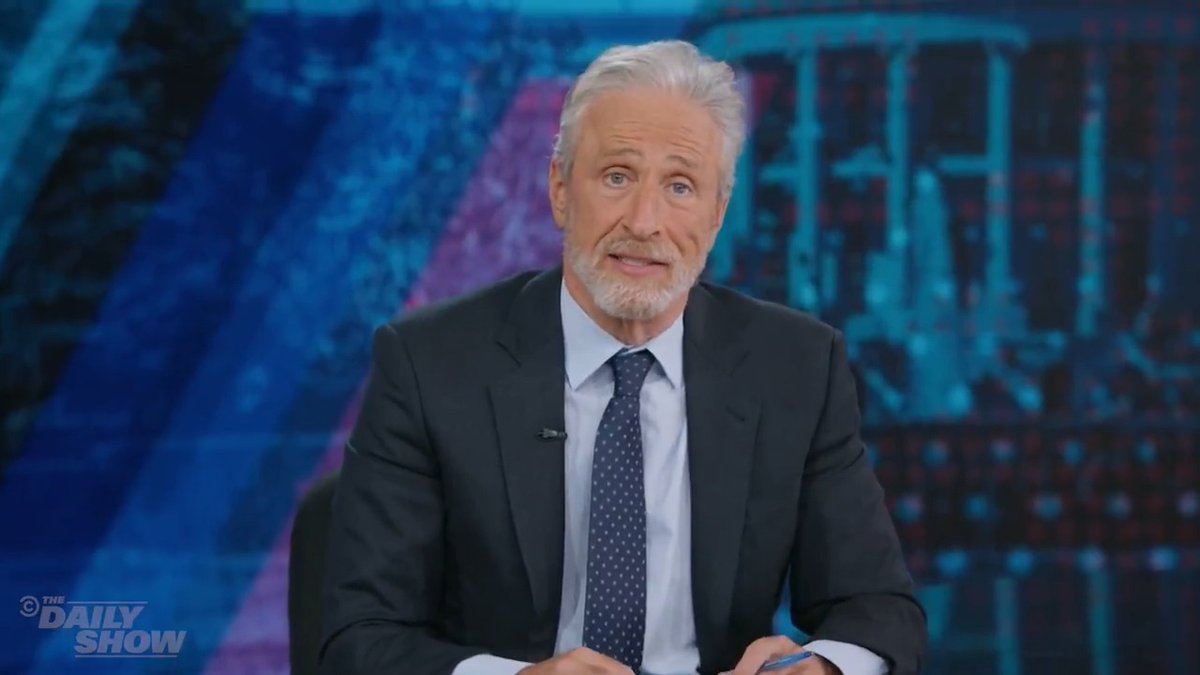
The moment marked a noticeable shift in tone. Stewart, long known for using humor to expose political hypocrisy, appeared less interested in punchlines and more concerned with consequences. What followed was not simply a critique of Donald Trump or the MAGA movement, but a broader indictment of how power, loyalty, and violence are judged differently depending on who is involved.
At the center of Stewart’s argument was a contrast many Americans have noticed but struggled to articulate: the leniency shown toward participants in the January 6 Capitol riot versus the harsh condemnation directed at other figures associated with public unrest or protest—most notably, Renee Nicole Good.

From Satire to Alarm
Stewart’s return to The Daily Show has coincided with a turbulent political climate in 2026. Trump’s continued dominance within the Republican Party, his influence over public discourse, and the enduring polarization of American politics have created an atmosphere that Stewart described as unstable and dangerous.
Opening the segment with visible seriousness, Stewart warned that the country was drifting away from a shared understanding of the rule of law. He criticized what he described as the erosion of basic democratic norms, where accountability is no longer consistent but conditional—applied selectively based on political allegiance.
“This isn’t about left versus right,” Stewart suggested. “It’s about whether the same rules apply to everyone—or only to the people we don’t like.”
January 6 and the Politics of Excuse
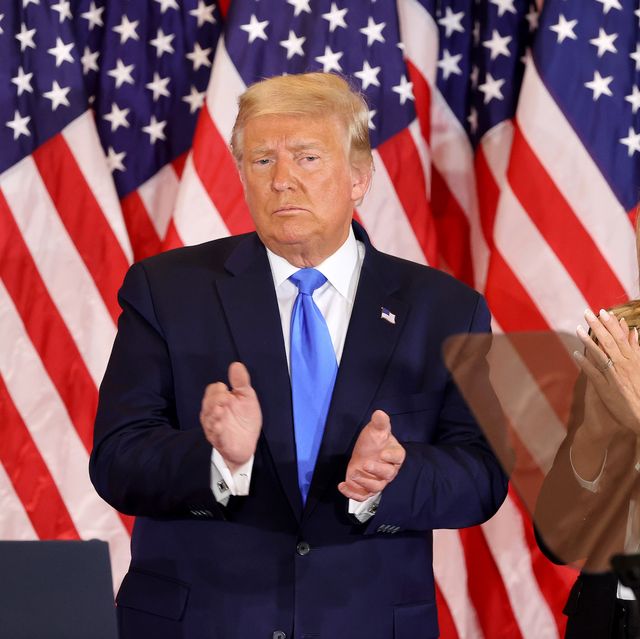
The January 6, 2021, attack on the U.S. Capitol remains one of the most consequential events in modern American history. A violent mob disrupted the certification of a presidential election, assaulted law enforcement officers, and breached a central symbol of democratic governance.
Yet, as Stewart noted, Trump and many of his allies have repeatedly reframed the event. Participants have been described as “peaceful protesters,” “patriots,” or victims of political persecution. Trump himself has suggested that those charged or convicted were treated unfairly and has openly discussed pardons or clemency.
To Stewart, this rhetoric represents more than spin—it is a deliberate rewriting of reality.
“When violence serves your political narrative, it’s minimized,” Stewart implied. “When it doesn’t, it becomes unforgivable.”
This reframing has had tangible effects. Public trust in institutions has continued to erode, and political violence has become increasingly normalized within partisan discourse. Stewart warned that excusing January 6 sets a precedent: that loyalty can absolve almost anything.
Renee Good and the Other Side of the Ledger
Against this backdrop, Stewart highlighted the reaction from parts of the MAGA movement to the death of Renee Nicole Good, a 37-year-old woman whose killing during a tense confrontation in Minnesota sparked national debate.
Almost immediately, some conservative commentators and Trump supporters labeled Good an “agitator” or implied she bore responsibility for what happened to her. These claims circulated rapidly online, often without substantiated evidence, and were used to dismiss calls for accountability or further scrutiny.
Stewart contrasted this reaction sharply with the language used to defend January 6 participants.
“How does a mob that storms the Capitol get empathy,” he asked in essence, “while an individual becomes a villain by default?”
Video footage circulating online did not show Good engaging in violence against authorities, yet the narrative hardened quickly. For Stewart, this was not an isolated incident but part of a larger pattern: when harm occurs outside the MAGA political identity, sympathy disappears.

The Double Standard Stewart Identified
Stewart’s critique focused on what he described as a “two-tier moral system”:
-
If violence or disruption comes from Trump supporters, it is contextualized, justified, or excused.
-
If unrest comes from critics of Trump or the government, it is framed as criminal, illegitimate, or threatening.
This inconsistency, Stewart argued, undermines the concept of equal justice. The rule of law, by definition, cannot function if it bends to political convenience.
He also took aim at the language used by Trump and allied commentators—particularly the frequent labeling of dissenters as “agitators” or “paid protesters.” Such accusations, Stewart noted, are rarely supported by evidence but are effective in delegitimizing opposition and discouraging public empathy.
Public Reaction and Cultural Impact
The segment quickly went viral. Clips circulated widely on platforms like X, Reddit, and TikTok, where viewers praised Stewart for articulating what they saw as an uncomfortable truth.
Supporters argued that Stewart captured the essence of modern American hypocrisy: a country where outrage is selective and justice is partisan. Many commenters noted that Stewart’s refusal to frame the issue as purely partisan made his critique more powerful.
Others, particularly conservative commentators, accused Stewart of bias and selective framing. They argued that comparisons between January 6 and other incidents were misleading and that Stewart ignored broader issues of public safety and law enforcement.
Yet even critics acknowledged that the segment struck a nerve.
A Broader Warning About Democracy
Beyond specific events, Stewart’s message carried a broader warning. Democracies, he argued, do not collapse overnight—they erode slowly, through inconsistency, cynicism, and the normalization of double standards.
When citizens no longer believe that laws are applied fairly, trust collapses. When political leaders excuse violence committed in their name, accountability weakens. And when public discourse treats empathy as partisan, division hardens into something far more dangerous.
Stewart did not present himself as a savior or moral authority. Instead, he positioned himself as a concerned citizen using the platform he has.
“I’m not telling you what to think,” his tone suggested. “I’m asking you to notice what’s happening.”
Conclusion: Why Stewart’s Intervention Matters
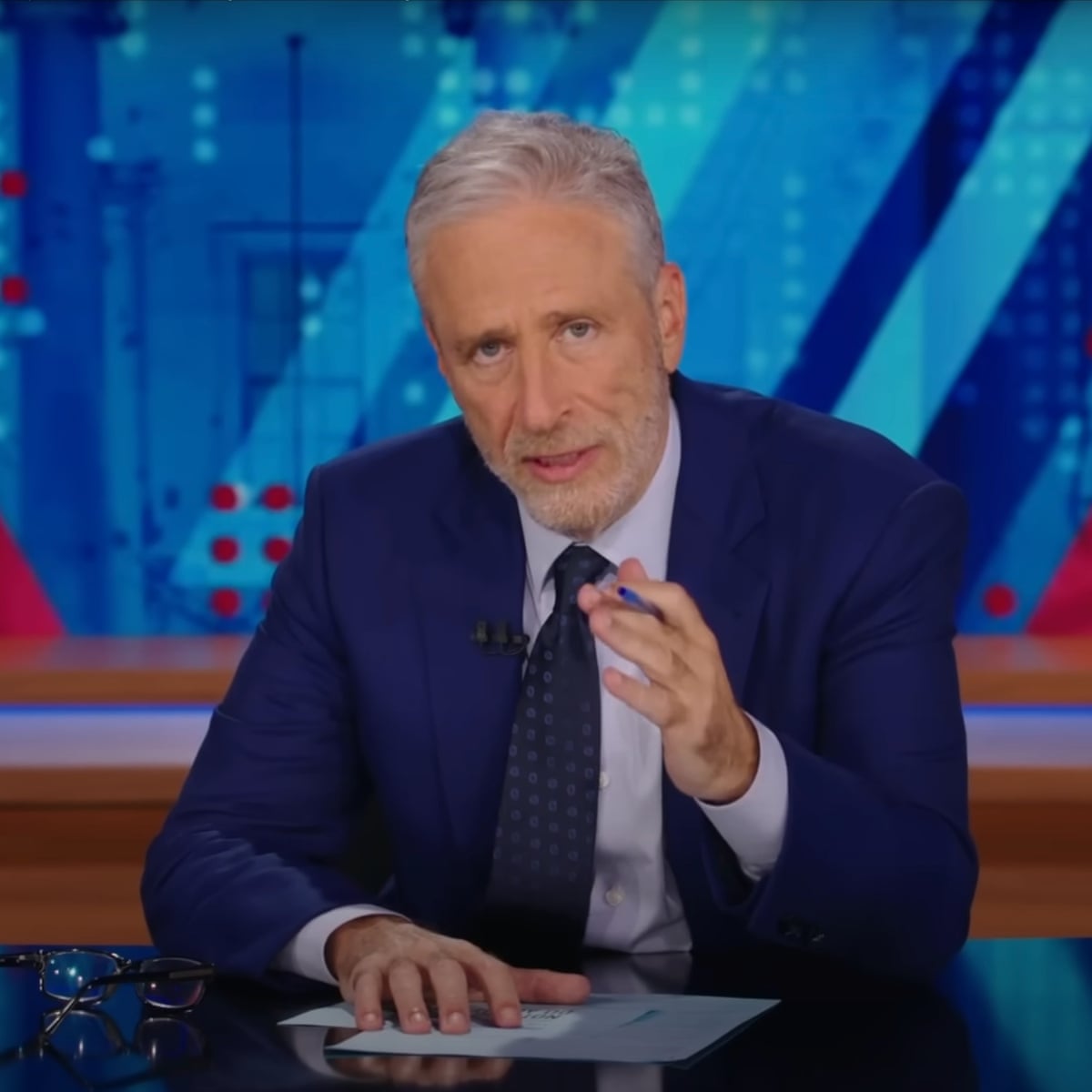
Jon Stewart’s commentary resonated not because it introduced new facts, but because it connected existing ones into a clear moral framework. His argument was simple but unsettling: a society that excuses violence for some while condemning others without evidence cannot sustain a fair legal system.
The contrast between January 6 and the reaction to Renee Good is not merely about politics—it is about credibility, consistency, and the future of democratic norms in the United States.
Stewart’s shift from satire to confrontation signals something important. When even comedy steps aside to sound the alarm, it suggests that the contradictions have become too large to laugh away.
Whether Americans heed that warning remains an open question. But for one moment on late-night television, the laughter stopped—and the conversation grew much more serious.