
The Truth Behind the Viral Story About Dale Earnhardt Jr. and the Diner
A Feel-Good Story That Took the Internet by Storm
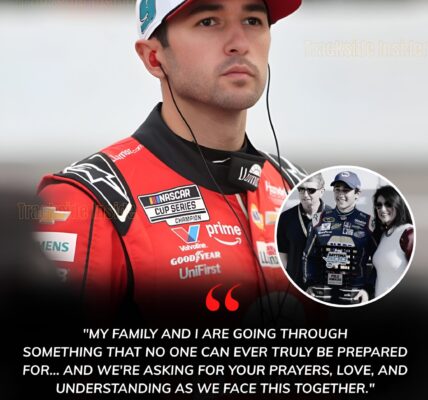
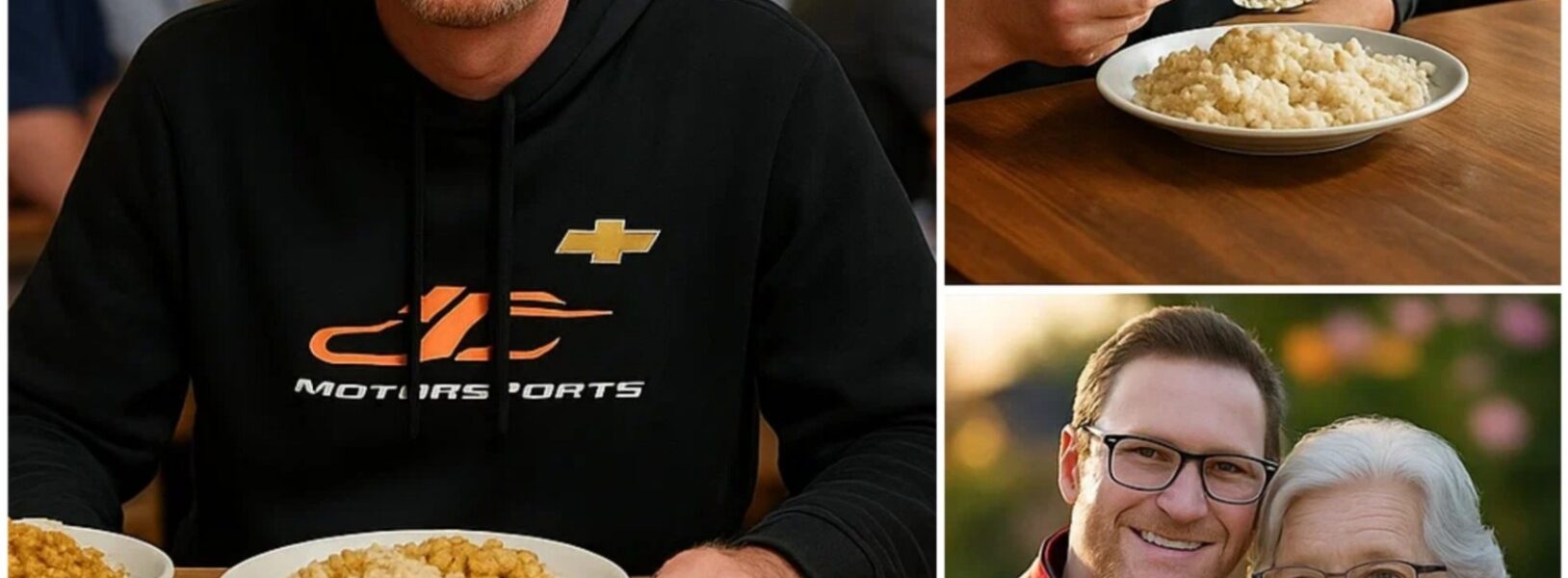
A viral post recently claimed that NASCAR legend Dale Earnhardt Jr. bought a small diner where he once ate on credit as a struggling teenager — and transformed it into a kitchen serving free meals to 120 homeless people every day. The story spread rapidly, touching thousands with its themes of gratitude, humility, and giving back.
But as heartwarming as it sounds, one crucial question remains: is it actually true?

Where the Story Starts to Unravel
Despite its popularity online, the story has a major problem — there is no credible evidence to support it. No official statement has been made by Earnhardt Jr. or his representatives. No major media outlets such as ESPN, AP, Fox Sports, or USA Today have reported on it. There are also no public business or legal records confirming that he purchased a diner matching the story’s description.
All versions of the claim trace back to low-credibility websites or anonymous social media posts, with nearly identical details repeated word for word — a classic sign of viral fabrication.
A Familiar Viral Formula
The narrative follows a well-known internet pattern:
-
A struggling young celebrity eats on credit at a humble diner
-
A kind owner helps him during hard times
-
Years later, the celebrity returns wealthy and famous
-
He secretly repays the kindness with a grand charitable act
This structure is emotionally powerful and easy to share — which is precisely why it requires careful verification. In this case, details like “Elena’s Diner,” “Mexican food,” “two years of eating on credit,” and “120 meals a day” appear consistently across posts, yet none are backed by independent sources.
No Records, No Confirmation
Further checks reveal:
-
No confirmed restaurant purchase by Earnhardt Jr.
-
No registered charitable food operation under his name
-
No new business filings in North Carolina that match the claim
Without documentation or firsthand confirmation, the story appears to be a feel-good hoax, designed to generate engagement rather than convey fact.
Why People Believed It So Easily
Importantly, belief in this story didn’t come from nowhere. Dale Earnhardt Jr. has a long, documented history of community involvement. He has participated in charitable initiatives, including helping renovate homeless support facilities — efforts that were covered by reputable outlets like Fox Sports.
Because of this genuine track record, the viral story felt believable. It aligned with the public’s image of him as humble, grounded, and generous.
The Problem With Beautiful Falsehoods
While such stories may inspire warmth, they also carry risks. Spreading unverified claims can:
-
Mislead the public
-
Overshadow real, documented acts of charity
-
Create unrealistic or fictional expectations of public figures
Ironically, false stories can diminish the impact of genuine good deeds — not only by Earnhardt Jr., but by countless others who help quietly, without headlines.
Truth Doesn’t Diminish the Spirit
Rejecting this story doesn’t mean rejecting its message. The desire to see kindness, redemption, and generosity reflects something deeply human — especially in a media environment dominated by conflict and negativity.
But truth and compassion should coexist, not compete.
Dale Earnhardt Jr. doesn’t need a fictional legend to validate his character. His real-life actions, values shaped by family, and consistent connection with fans already speak for themselves.
A Reminder for the Digital Age
The tale of “Elena’s Diner” ultimately serves as a lesson. In an era of viral content and emotional storytelling, readers must learn to appreciate inspiration without abandoning skepticism.
Kindness matters. Integrity matters more.
And when Dale Earnhardt Jr. does something meaningful — as he often has — the truth will stand on its own, without needing embellishment.
Final Thought
The diner story isn’t real. But the admiration people feel for Dale Earnhardt Jr. is — and it’s built on who he truly is, not on myths created for clicks.
In a world hungry for hope, let’s make sure we’re feeding it with facts.