
Starlink: Elon Musk’s Lifeline for Iranian Citizens Amid Government Internet Blackouts

Starlink: Elon Musk’s Lifeline for Iranian Citizens Amid Government Internet Blackouts
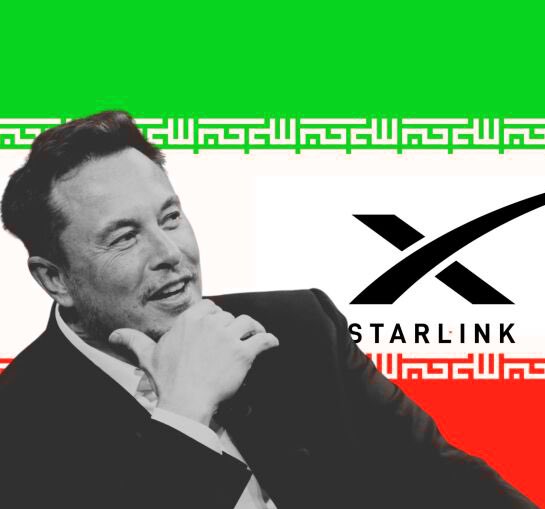
In an era where access to information is crucial for personal freedom, political expression, and emergency response, the role of the internet cannot be overstated. Yet, in countries with authoritarian regimes, such as Iran, governments have often resorted to the weaponization of the internet, restricting citizens’ access to information during periods of unrest. However, a revolutionary technology by Elon Musk’s Starlink has emerged as an unexpected and vital lifeline for many Iranians, allowing them to bypass state-imposed internet restrictions and continue to communicate with the outside world.
The Crisis in Iran: Internet Blackouts and State-Controlled Communications
Iran has long been a country where the government controls access to information, particularly when it comes to events that could challenge the authority of the regime. The most notable example of this control has been seen during protests, when the Iranian government has resorted to blocking access to the internet to prevent organizers from mobilizing and to prevent the public from sharing real-time information with the world. This tactic has been used to stifle dissent and silence voices of protest that might undermine the government’s authority.
In 2019, for example, during nationwide protests over rising fuel prices, the Iranian government shut down internet access for several days, making it impossible for Iranians to communicate with one another or with the outside world. While this measure was intended to suppress protests, it was also a stark reminder of how critical the internet has become in the modern era—essential for everything from daily communication to organizing mass movements.
In recent years, these tactics have been refined. The Iranian government has expanded its use of sophisticated digital tools and technologies to restrict access to the internet. It has collaborated with countries like China and Russia, using advanced methods to disrupt internet connectivity, including jamming satellite signals, blocking VPNs, and throttling internet speeds. These measures are designed to control the narrative, limit access to unfiltered information, and prevent Iranians from expressing their grievances on international platforms.
The Role of Starlink: Elon Musk’s Technology to the Rescue
Enter Starlink—Elon Musk’s satellite internet service, which is not just changing the way people access the internet in remote and underserved regions, but is now emerging as a powerful tool for resistance in countries like Iran. Starlink operates by providing internet via a constellation of low-Earth orbit (LEO) satellites, and unlike traditional terrestrial internet services, it does not rely on ground-based infrastructure, which makes it less susceptible to government-imposed shutdowns and blockages.

When Iranian authorities imposed harsh internet restrictions in late 2022 to quell protests and prevent dissent, Starlink remained an unshakable source of connectivity for many Iranians. Despite the government’s efforts to disrupt communication by jamming signals, Starlink’s robust satellite technology continued to function, offering a vital lifeline to those attempting to share information, call for help, or organize in the face of oppression.
The significance of Starlink in Iran’s political landscape cannot be underestimated. In the midst of violent government crackdowns, protesters used Starlink to send out videos and live streams of demonstrations, the brutal repression they faced, and their demands for justice. These first-hand accounts reached the outside world, providing undeniable evidence of the regime’s violence and fueling global awareness of the Iranian people’s struggle for freedom.
Moreover, Starlink also played an essential role in enabling emergency communications. In an environment where access to emergency services is often blocked or limited by the government, the ability to send out distress signals and communicate with medical teams, family members, or foreign embassies has been lifesaving. People in remote or rural areas, where the government’s control over traditional internet infrastructure is weaker, have used Starlink to maintain critical connections with the outside world, even when mobile and broadband networks were down.

How Starlink Bypassed Government Attempts to Block Connectivity
Despite the Iranian government’s extensive efforts to disrupt satellite signals, Starlink has proven to be remarkably resilient. One of the reasons for this resilience is the unique way in which Starlink’s satellites operate. Unlike traditional satellite systems that rely on large, powerful dishes, Starlink satellites are designed to work with small, easy-to-deploy user terminals (known as “dishes”) that can connect to satellites flying in low-Earth orbit.
The Iranian government’s attempts to jam Starlink’s signals have been largely unsuccessful due to the advanced encryption and frequency-hopping technologies employed by the satellite system. As a result, even in the face of state interference, many Iranians have been able to use Starlink to access vital news sources, connect with others, and even organize protests without fear of their communications being monitored or blocked.
This resilience highlights the potential of Starlink not just as a tool for providing internet to remote regions, but as a weapon against state censorship. As governments become increasingly sophisticated in their attempts to control digital communication, systems like Starlink provide a crucial counterbalance—offering citizens a way to circumvent government censorship and maintain open lines of communication with the rest of the world.
Starlink: A Beacon of Hope for Iranian Protesters and Activists
For those on the frontlines of political protests, the internet is often the only means of maintaining a connection to the world and rallying support for their cause. Starlink has provided an indispensable tool for Iranian activists, who have used it to spread awareness about the political situation in their country, share stories of repression, and garner international support for their movement.
In the aftermath of violent crackdowns on protests, many Iranians have turned to Starlink to document human rights abuses and attempt to hold their government accountable. This has not only given the world an inside look into the reality of life under an authoritarian regime but has also demonstrated the power of technology to aid in the fight for freedom and democracy.
Starlink’s role in Iran has underscored the power of private-sector innovation in addressing gaps left by governments and traditional infrastructure. As Iranian citizens continue to face repression, technologies like Starlink are becoming increasingly vital in providing a platform for free expression and facilitating the exchange of ideas in the face of authoritarian control.
The Future of Starlink in the Fight for Digital Freedom
The role of Starlink in Iran offers a glimpse into the future of digital resistance. As authoritarian regimes around the world continue to tighten their grip on the internet, satellite internet services like Starlink could become crucial in the fight for digital freedom. Whether it is used to bypass government censorship, provide emergency communication channels, or offer access to vital information, Starlink is quickly proving itself as a powerful tool for resisting digital oppression.
Looking forward, it will be interesting to see how other countries—both authoritarian and democratic—respond to the growing use of satellite internet technologies. While governments like Iran have attempted to block Starlink’s signals, the fact that the system continues to work effectively suggests that satellite-based technologies may soon be a fundamental part of global internet infrastructure, especially in regions where traditional internet services are unreliable or subject to government control.
Conclusion
In a world where access to information is often restricted by governments intent on maintaining power, Elon Musk’s Starlink is emerging as an unlikely hero in the struggle for digital freedom. In Iran, where the government has gone to great lengths to control access to the internet and suppress dissent, Starlink has provided a vital lifeline, enabling citizens to maintain connections to the outside world, document abuses, and organize resistance.
As we look to the future, Starlink and similar technologies could play an increasingly important role in protecting the fundamental human right to free expression and communication. The resilience of Starlink in Iran proves that when people are determined to connect, even the most sophisticated efforts at censorship cannot stop them. And for many Iranians, Starlink has become not just a technology, but a symbol of hope—a beacon of light in a dark time.