
Cleetus McFarland and the Daytona 500: Racing for Legacy, Not Headlines
A Campaign That Defies Expectations
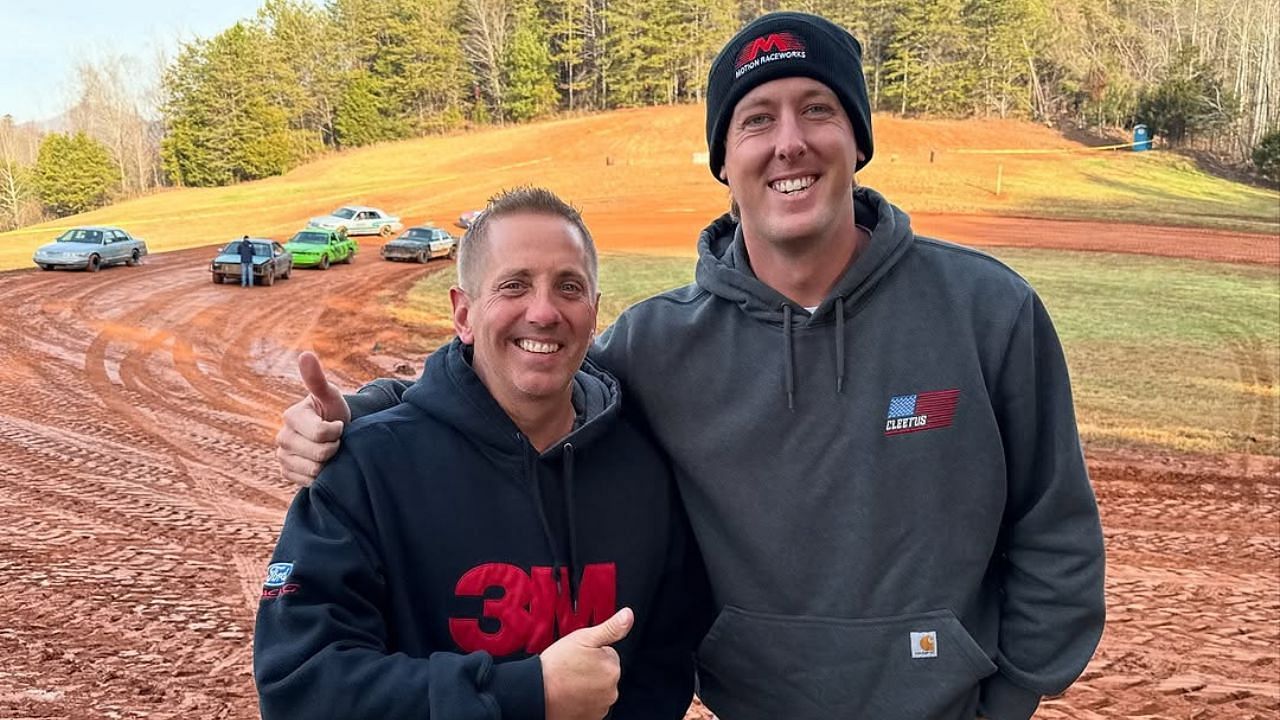
Amid the usual swirl of sponsor announcements and calculated media moves, Cleetus McFarland’s push toward the Daytona 500 has stood out for a different reason. Rather than framing his effort as a business venture or viral moment, McFarland has openly tied his motivation to a promise made to his mentor, NASCAR veteran Greg Biffle. That choice has split opinion across the racing world—earning both admiration and skepticism—but it has undeniably forced fans and insiders to reconsider what authenticity and legacy mean in modern motorsport.

From Outsider to Serious Contender
McFarland’s journey has never followed the traditional NASCAR path. Known first as a content creator, he built an audience by celebrating grassroots racing and accessibility rather than elite exclusivity. Critics have long labeled him an outsider, questioning whether popularity could translate into real competitiveness. Now, with Daytona in sight, McFarland has doubled down on a message that money and optics come second to memory and loyalty. It’s a stance that resonates precisely because it feels personal, not manufactured.
A Promise That Sparked Debate
When McFarland said, “This isn’t for the cameras or the checks. It’s for what he believed in,” the reaction was immediate. Supporters saw sincerity and courage in chasing a dream rooted in mentorship. Skeptics, however, argued that NASCAR rewards preparation, speed, and consistency—not emotional narratives. Social media and garage conversations quickly filled with debate over whether such motivation can truly coexist with the ruthless demands of Daytona competition.
Criticism, Conviction, and Commercial Risk

Not everyone believes McFarland’s approach is sustainable. Some executives and marketing voices have reportedly warned that turning down certain sponsorship conditions could weaken the financial backbone of his effort. From their perspective, conviction doesn’t pay for engines or pit crews. Supporters counter that refusing to compromise his principles is exactly what separates McFarland from formulaic campaigns and why fans are paying attention in the first place.
Mentorship and the Question of Legacy
At the heart of the discussion lies a deeper issue: who owns a legacy? Critics question whether invoking a respected name risks exploitation, while defenders point to McFarland’s restraint—particularly his refusal to commercialize the mentorship—as proof of respect. For many fans, the story feels familiar on a human level. Mentors shape careers through belief and guidance, not contracts, and McFarland’s campaign taps into that universal experience.
On-Track Progress and Rising Pressure

Performance still matters, and McFarland knows it. Encouraging outings, including competitive moments in ARCA events, have given his effort credibility beyond sentiment. While these results don’t guarantee Daytona success, they show growth and commitment. At the same time, every lap now carries added symbolism. Each test session is judged not only by speed but by whether it honors the promise he’s made—raising the pressure with every mile.
Why the Story Resonates
In an era when fans often criticize sports for being overly commercial or scripted, McFarland’s narrative feels refreshingly human. Whether one views it as idealistic or risky, it reframes success around values rather than trophies alone. That framing may be polarizing, but it’s also powerful. It reminds audiences that competition isn’t always about profit margins—it can also be about purpose.
What Comes Next
As Daytona approaches, attention will turn to tangible indicators: qualifying speeds, team alignment, and how McFarland balances funding with principle. Success would amplify conversations about accessibility and mentorship in NASCAR. Failure would fuel arguments for stricter gatekeeping. Either way, the sport will be changed by the discussion his campaign has ignited.
Conclusion
By placing legacy and mentorship at the center of his Daytona 500 pursuit, Cleetus McFarland has transformed a racing bid into a broader statement about why athletes compete. Whether his journey ends in triumph or disappointment, it has already achieved something rare—it has made people care not just about the outcome, but about the meaning behind the attempt.