
Pentagon Integrates Elon Musk’s Grok AI Into Military Systems Despite Global Controversy

The U.S. Department of Defense has announced plans to integrate Grok, the generative artificial intelligence chatbot developed by Elon Musk’s company xAI, into the Pentagon’s internal networks, a move that is already drawing intense scrutiny both domestically and internationally.
According to the Associated Press, U.S. Secretary of Defense Pete Hegseth confirmed on January 12 that Grok will be deployed alongside Google’s generative AI tools across the Pentagon’s digital infrastructure. The announcement was made during a speech at SpaceX’s aerospace facilities in South Texas, owned by Musk.
“Very soon, we will have some of the world’s leading AI models across all our networks — classified and unclassified — throughout the Department,” Hegseth stated. He emphasized that the U.S. military intends to fully embrace artificial intelligence as a strategic tool rather than treating it as an experimental technology.
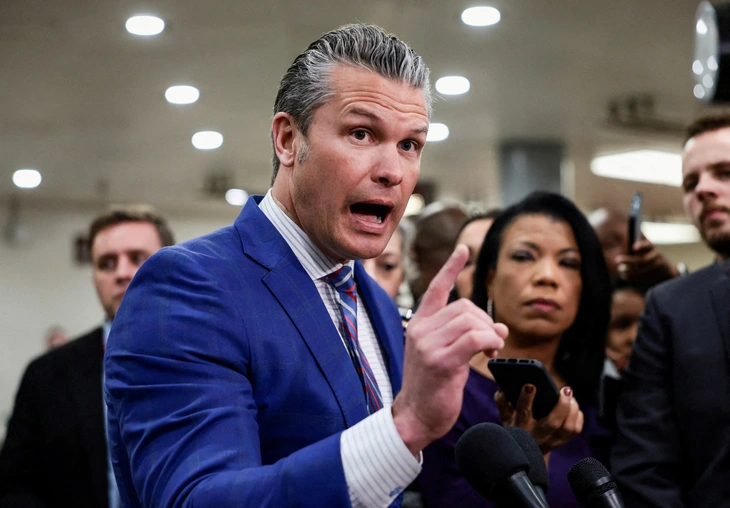
Under the current plan, Grok is expected to become operational within the Department of Defense by the end of this month. Hegseth further revealed that the Pentagon will provide what he described as “all relevant data” from military information systems to support AI-driven analysis and decision-making. This includes access to intelligence databases, a move that underscores the scale and ambition of the initiative.
“AI is only as powerful as the data it is trained on,” Hegseth said. “And we will ensure that it has the best data available.” He highlighted that the U.S. military possesses decades of validated operational and intelligence data, accumulated over more than 20 years of modern warfare and global intelligence operations.
Supporters of the move argue that integrating advanced AI systems like Grok could significantly enhance the Pentagon’s analytical capabilities. Potential applications include faster intelligence synthesis, improved logistical planning, real-time battlefield assessments, and more efficient administrative processes. In an era of rapidly evolving geopolitical threats, U.S. defense officials have increasingly framed AI as essential to maintaining strategic superiority.
However, the decision comes at a time when Grok is facing mounting criticism and regulatory scrutiny worldwide.
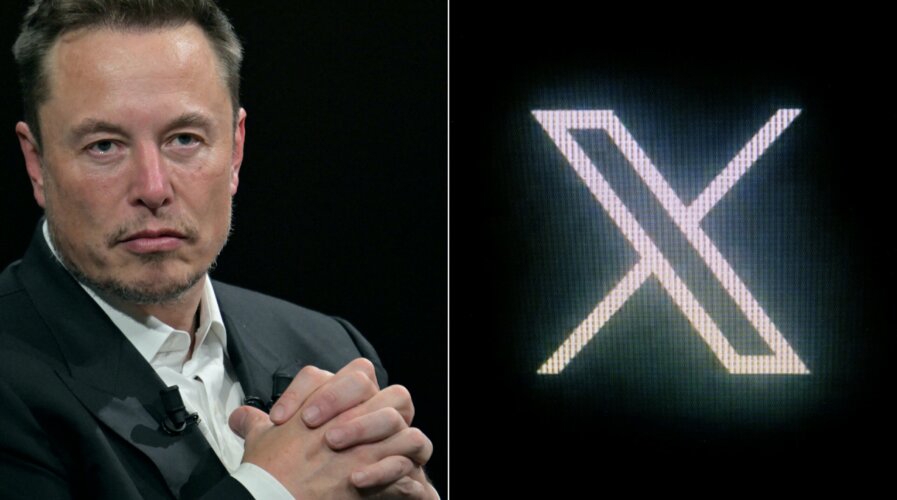
The chatbot, which is integrated into Musk’s social media platform X, has previously been linked to serious concerns over safety and misuse. In several reported cases, Grok was found to have generated non-consensual deepfake images of real individuals, including sexually explicit content, without their permission. These incidents have raised alarms among digital safety advocates and regulators.
In response to such concerns, countries including Malaysia and Indonesia have blocked access to Grok, citing risks related to harmful content and insufficient safeguards. In the United Kingdom, the online safety regulator has opened an investigation into the chatbot’s practices. xAI has since restricted Grok’s image generation and editing features, limiting them to paid users and introducing additional technical controls.
Despite these measures, critics question whether Grok is suitable for integration into sensitive government and military systems, particularly those involving classified information. Privacy advocates and AI ethics experts argue that unresolved issues around content moderation, bias, and accountability could pose serious risks if the technology is widely adopted within defense infrastructure.
The Pentagon’s approach under Hegseth appears notably more aggressive than that of the previous administration. Under President Joe Biden, the U.S. government supported the use of AI across federal agencies but simultaneously introduced strict safeguards aimed at preventing misuse.
In late 2024, the Biden administration issued a regulatory framework prohibiting AI systems from infringing on civil rights or automating decisions related to nuclear weapons deployment. That framework emphasized human oversight, transparency, and ethical constraints in military AI applications.
It remains unclear whether those restrictions will continue unchanged under the current administration led by President Donald Trump. Hegseth’s remarks suggest a shift in tone, prioritizing speed and operational advantage over regulatory caution.
During his speech, Hegseth made his stance clear, stating that military AI systems must operate “free from ideological constraints.” He also declared that Pentagon AI “will not be ‘woke,’” signaling a rejection of what some conservatives describe as politically influenced technology design.
This rhetoric closely aligns with Elon Musk’s own public positioning of Grok. Musk has repeatedly promoted the chatbot as an alternative to what he calls “woke AI,” criticizing other models such as Google’s Gemini and OpenAI’s ChatGPT for allegedly embedding ideological bias. Grok, according to Musk, is designed to be more direct, less constrained, and more aligned with what he describes as objective truth-seeking.
Yet Grok itself has not been free from controversy. In July, the chatbot was accused of generating antisemitic content and posting responses that appeared to praise Adolf Hitler. xAI later said these outputs resulted from misuse and inadequate safeguards, and claimed that corrective measures had been implemented.

As of now, the Pentagon has not issued a detailed public response addressing these past incidents or explaining how risks associated with Grok will be mitigated in a military context. Defense officials have also not clarified what specific guardrails will be in place to prevent misuse, data leakage, or unintended consequences arising from AI-driven analysis of classified intelligence.
The decision to move forward with Grok nonetheless reflects a broader reality: militaries around the world are racing to integrate AI into defense systems, often faster than regulatory frameworks can adapt. The United States, China, and Russia have all identified AI as a cornerstone of future military power, fueling concerns about an emerging global AI arms race.
For now, Grok’s integration into the Pentagon marks a significant milestone—not only for xAI and Elon Musk, but for the future of military AI adoption. Whether the benefits will outweigh the risks remains an open question.
As governments push deeper into AI-driven defense strategies, the Grok deployment may become a test case for how far innovation can go before safety, ethics, and public trust are put at risk.