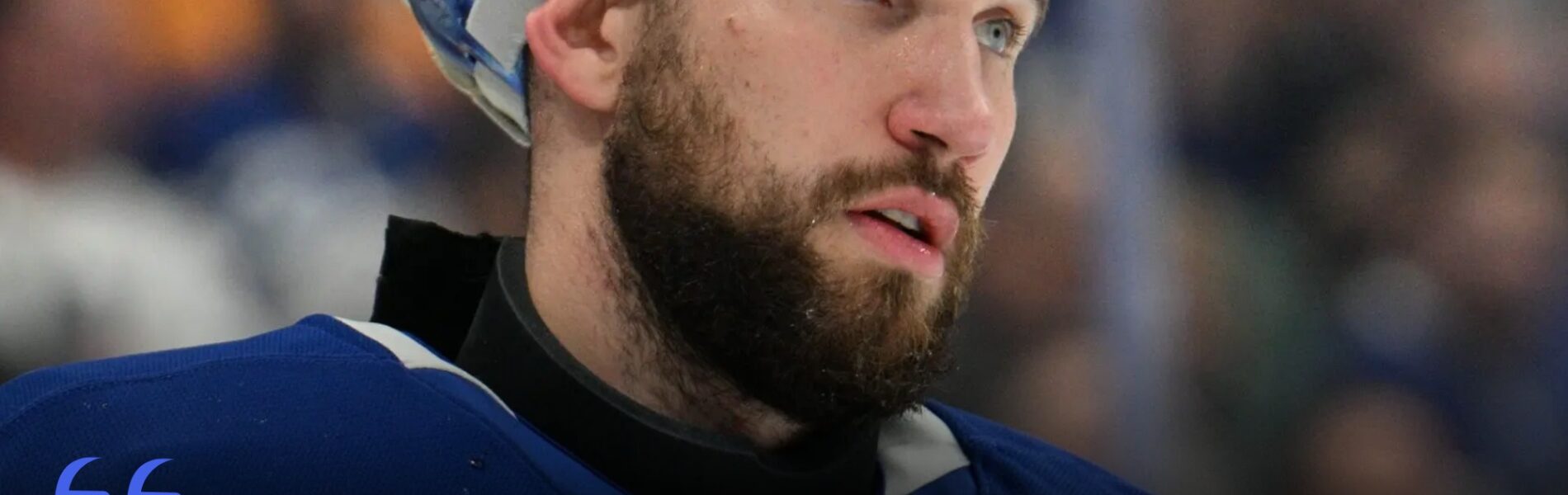
Anthony Stolarz Opens Up: The Nerve Injury That Cost Him Two Months — And When He Could Finally Return

For Toronto Maple Leafs goaltender Anthony Stolarz, the past two months have been among the most frustrating stretches of his NHL career. Widely known as a dependable and resilient presence in net, the 31‑year‑old has been sidelined since Nov. 11, when a nerve issue — not immediately identified — forced him out of action. Only now, with his first detailed explanation to the media, are fans getting a clearer picture of what sidelined him, how he’s working back to full health, and when he hopes to return to the ice.
It’s a story that goes beyond a simple statistic on the injury report. It reveals the invisible challenges faced by NHL players dealing with ailments that don’t show up on X‑rays or highlight reels, and the patience required to navigate healing when the body doesn’t cooperate on a set timeline.
How It Happened: The Game That Changed Everything
Stolarz’s injury dates back to a game on Nov. 11 against the Boston Bruins, a regular‑season matchup that began like any other. He played the first period, allowing three goals on 11 shots, before leaving due to what was initially termed an upper‑body injury. At the time, no further details were shared by the Leafs, and the team indicated it was a short‑term issue.
What emerged later — and was confirmed by Stolarz himself — was that the underlying cause wasn’t a bruise or muscle strain at all, but a nerve problem that didn’t go away as expected. Nerve‑related injuries can be deceptively complicated: the pain, tingling, or weakness they cause may linger long after any initial impact, and there’s no simple scan that instantly pinpoints the root cause.
“I think that’s the biggest thing,” Stolarz told reporters. “It’s not like a bruise, where it goes away. It was something I just had to let heal on its own, and it just took a little while.”
Nerve Injury: What It Means and Why It Takes Time
Nerve injuries are notoriously unpredictable. Unlike bone breaks that follow fairly standard recovery timelines or muscle strains that respond to physical therapy, nerves can be stubborn. They often regenerate slowly — if at all — and can require extended rest before the nervous system resets enough for full function.
For an NHL goaltender like Stolarz, whose entire job depends on split‑second reactions, balance, and precise control of his limbs, any nerve irritation can be career‑disrupting. Even minor nerve irritation might affect positioning, glove hand stability, or lateral push — all of which are crucial for elite netminding.
And because the injury wasn’t outwardly visible or traceable to a specific impact (like a cut or fracture), the recovery timeline couldn’t be rushed or medically “corrected” with a clear protocol.
Instead, what ensued was a process of letting the nerve settle down, gradual reintroduction to skating, and then full team practice — a cautious, step‑by‑step progression that has kept Stolarz off the ice for more than two months.
The Long Road Back: Practice Makes Progress
Stolarz didn’t just take a medical break — he underwent a carefully monitored recovery process. According to reports and his own comments, the goaltender began working closely with the Maple Leafs’ athletic trainers and return‑to‑play staff before gradually ramping up his activity.
By late December, he had resumed skating, marking a major milestone after weeks of absence. Then in January, he began skating with teammates and participating in full practice sessions — a sign that the nerve irritation was continuing to improve.
Despite these steps forward, Stolarz emphasized that he still isn’t quite ready for game action. His return isn’t just about being pain‑free; it’s about regaining confidence, timing, and muscle memory — all of which go hand‑in‑hand with physical recovery.
“I feel good now,” he said after a recent practice, “and just trying to ramp up in practice, get some reps,” adding that he’s excited to “step on the ice every day right now.”
When Will He Be Back? The Timeline Explained
Getting an exact date for Stolarz’s return is difficult because of the nature of his injury. Unlike a broken bone, which has a more predictable healing period, nerve issues require a player to feel when the body is ready — and that happens through repetition and getting comfortable with the pace and contact of hockey movement.
Right now, his own expectation — and the team’s cautious projection — is that he will need “a couple more practices” before being cleared to play in a real game.
That could mean a return as early as late January, or potentially before the NHL’s Olympic break, as his coach Craig Berube hinted during recent media availability. Berube expressed optimism about Stolarz being with the team and building back toward live action as they travel on the road trip that began Jan. 12.
But there’s a caveat: with the Leafs’ schedule compressed by international breaks and tight timelines, finding the right moment for Stolarz to return will require careful planning. Practices matter but so does playoff readiness and managing workload once he’s back in game form.
The Bigger Picture: Supporting the Team Despite Absence
Even while sidelined, Stolarz hasn’t been isolated from the team’s progress. Once he was healthy enough to practice, he joined the Maple Leafs on the road — a psychological boost for both himself and his teammates. He’s been present in the locker room, skating alongside comrades, and participating in team drills focused on puck tracking and save techniques.
His absence on game night, however, has required the Leafs to rely on Joseph Woll and Dennis Hildeby as their primary goaltenders. Both have performed admirably in his stead, with Woll in particular posting solid numbers and giving the organization confidence in a tandem approach while Stolarz was out.
That situation makes managing Stolarz’s return trickier. The Leafs will want to ensure he doesn’t come back too early and risk aggravating the issue, but they also know his veteran presence and experience can bolster their goaltending corps as they position for a deep playoff run.
Stolarz himself has praised his teammates for stepping up in his absence, noting that he’s been “rooting for them” every night and appreciating the strong performances from Woll and Hildeby.
Why This Injury Was Harder Than Expected
Part of the reason Stolarz’s recovery took longer than the team originally anticipated is because nerve issues don’t follow a set schedule. Coach Berube initially thought it would be short‑term, but as weeks passed without improvement, it became clear the situation was more complex behind the scenes.
Unlike more obvious injuries — a broken bone, torn ligament, or severe sprain — nerve irritation isn’t always visible in imaging or immediately measurable. Players often have to rely on how their body feels, how they respond to increasing intensity, and how their performance holds up in progressive drills.
This uncertainty made Stolarz’s situation more stressful, not only physically but mentally. Sitting on the sidelines watching your team, day after day, can be just as challenging as the injury itself.
What This Means for the Maple Leafs’ Season
From the team’s standpoint, Stolarz’s return will provide roster flexibility. It gives head coach Craig Berube more options behind the bench and allows the Leafs to rest their two current starters appropriately, especially during back‑to‑back games or in the weeks leading up to the playoffs.
A veteran like Stolarz, even if sharing the crease, can bring matchup advantages and strategic relief in long stretches of hockey. His experience in high‑pressure situations — including playoff hockey and intense regular‑season battles — remains valuable to Toronto’s run.
Looking Ahead: Cautious Optimism
Right now, Stolarz’s mindset is positive. He’s not rushing back prematurely; instead, he’s focusing on logging quality reps in practice and regaining comfort with every aspect of his game. “Every rep matters,” he said, acknowledging the challenge of a condensed schedule but emphasizing the importance of each step in his comeback.
That steady, measured approach is crucial. Rushing back too soon could prolong the problem, while patience may ensure that once he returns, he stays healthy and effective. It’s a delicate balance — one that players and teams alike must manage with care.
Final Thoughts
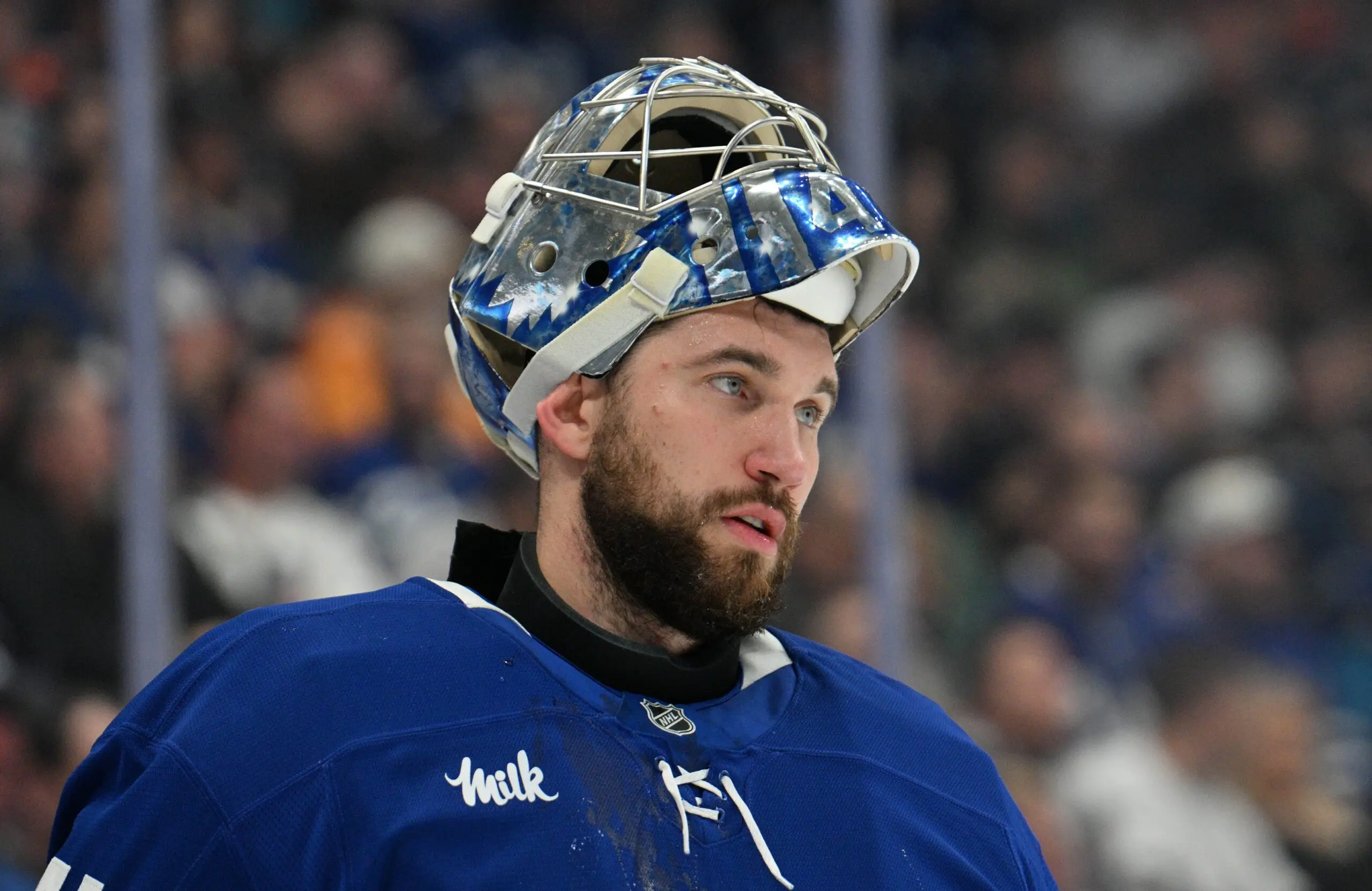
Anthony Stolarz’s injury saga is a reminder of the complexities behind the scenes in professional sports. It’s not always dramatic or headline‑grabbing. Sometimes it’s quiet nerve pain felt deep inside the body, healing slowly, unremarked upon by fans. Yet it can keep a player out longer than expected and test their resilience in unexpected ways.
Now, with his own explanation and details emerging, fans have a clearer understanding of what kept him out for more than two months — and why his return is both eagerly anticipated and carefully managed.
If Stolarz follows his current recovery plan, participates in a few more full‑team practices, and continues to feel confident in game‑like scenarios, it’s reasonable to expect his return soon — perhaps as soon as late January or early February, before the Olympic break or major playoff push begins.
When that day comes, it won’t just be a relief for Stolarz himself or the Leafs’ goaltending depth. It will be a testament to patience, persistence, and the resilience of a goalie who battled through a challenging injury with quiet determination — the kind of story that resonates with teammates and fans alike.