Willie Nelson: America’s Timeless Outlaw – Music, Activism, and a Legacy of Quiet Strength

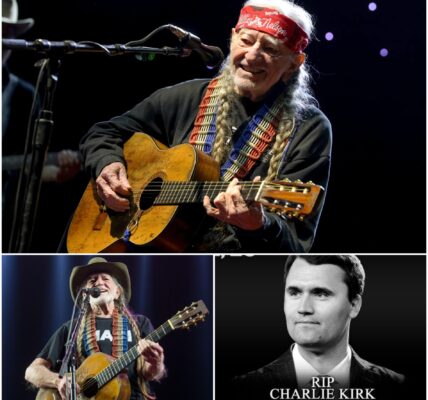
In the whirlwind of social media sensationalism, viral posts often spin dramatic tales involving celebrities and politics. A recent claim circulating online alleged that White House Press Secretary Karoline Leavitt tweeted a demand for country icon Willie Nelson to be “silenced,” calling him “dangerous,” only for Nelson to read the post live on television and deliver a poised rebuttal that left viewers in awe. As of January 2026, extensive searches across news outlets, social media, and broadcast archives turn up no evidence of such an exchange—no tweet, no TV appearance, no viral moment. These stories trace back to unverified Facebook pages, TikToks, and ad-driven sites recycling similar templates with various names attached. The real Willie Nelson, at 92, continues touring, recording, and advocating with the same calm authenticity that has defined him for decades.
AT 92, WILLIE NELSON IS STILL ‘ON THE ROAD AGAIN’
Born on April 29, 1933, in Abbott, Texas, Willie Hugh Nelson grew up during the Great Depression in a family shaped by music and hardship. Raised by his grandparents after his parents separated, young Willie picked cotton, sold Bibles door-to-door, and found solace in a mail-order guitar. By his teens, he was performing in local honky-tonks, blending influences from Bob Wills’ Western swing, Hank Williams’ raw emotion, and the jazz phrasing of Django Reinhardt. After a stint in the Air Force and odd jobs, Nelson moved to Nashville in 1960, becoming a prolific songwriter. Hits he penned for others—”Crazy” for Patsy Cline, “Night Life” for Ray Price, “Hello Walls” for Faron Young—established him as a behind-the-scenes force.
:max_bytes(150000):strip_icc():focal(756x233:758x235)/Willie-Nelson-122223-2-887236f1bdfc4d82906a1f615405673b.jpg)
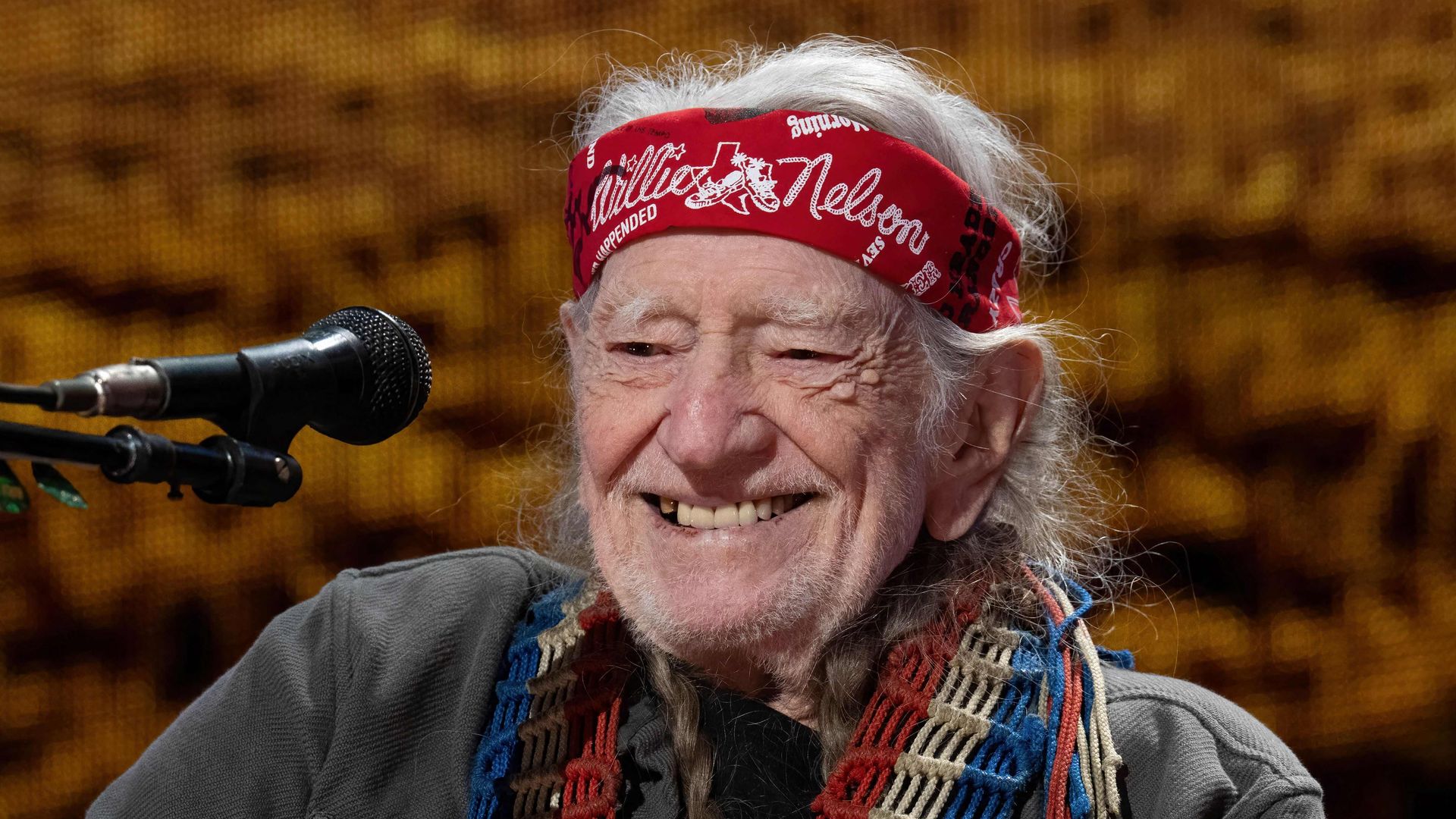
Frustrated with Nashville’s rigid conventions, Nelson returned to Texas in the early 1970s, growing his hair long, embracing counterculture, and pioneering the “outlaw country” movement alongside Waylon Jennings, Jessi Colter, and Tompall Glaser. His 1975 album Red Headed Stranger—a sparse concept record about a fugitive preacher—became a landmark, yielding the timeless hit “Blue Eyes Crying in the Rain.” Albums like Shotgun Willie (1973) and Phases and Stages (1974) rejected polished production for raw honesty, resonating with a new generation weary of formulaic country.
Trigger: The Life of Willie Nelson’s Guitar – Texas Monthly
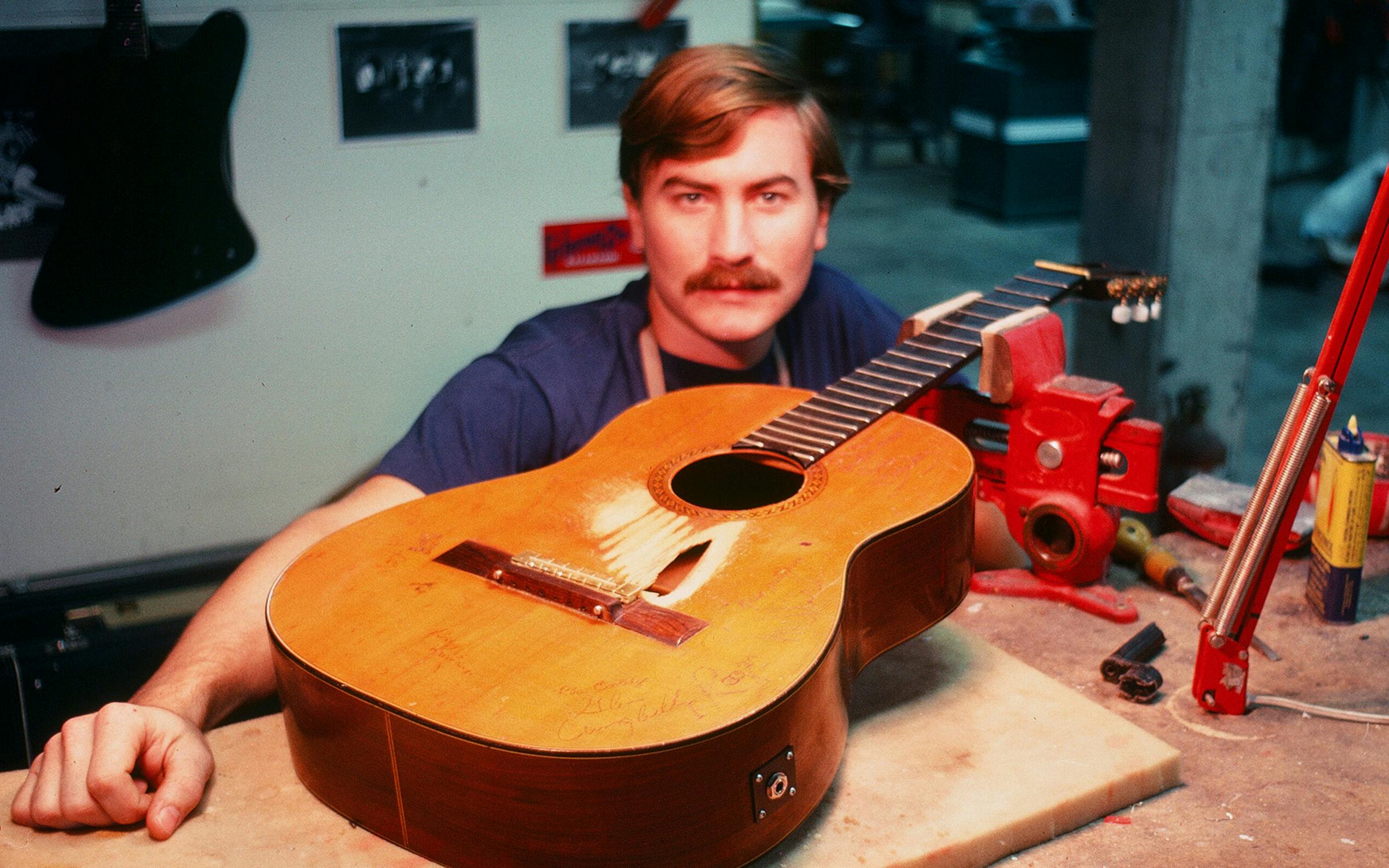
Nelson’s signature guitar, Trigger—a battered 1969 Martin N-20 classical named after Roy Rogers’ horse—has been his constant companion since 1969. Worn nearly through from decades of playing, its unique nylon-string tone defines classics like “On the Road Again,” “Always on My Mind,” and “Whiskey River.” He’s released over 100 albums, crossing genres with collaborations alongside Snoop Dogg, Merle Haggard, Julio Iglesias, and Sinéad O’Connor. Milestones include the supergroup The Highwaymen with Johnny Cash, Kris Kristofferson, and Waylon Jennings, and inductions into the Country Music Hall of Fame (1993) and Kennedy Center Honors (1998).

Beyond music, Nelson’s activism stands out. In 1985, he co-founded Farm Aid with Neil Young and John Mellencamp to support family farmers facing economic crises. The annual concert series has raised over $60 million, with Nelson headlining nearly every year—even through health challenges. At Farm Aid 2025, he delivered spirited sets featuring guests like Mavis Staples and Dave Matthews, emphasizing rural resilience amid modern agricultural struggles.


He’s long advocated for biofuels (promoting biodiesel through his tours), marijuana legalization (founding Willie’s Reserve brand), and progressive causes, endorsing Democrats while maintaining friendships across divides. His 2002 song “Whatever Happened to Peace on Earth?” critiqued war, and he’s performed at benefits for everything from LGBTQ+ rights to disaster relief. Yet Nelson avoids inflammatory rhetoric, often responding to controversy with humor or silence—traits that make fabricated “confrontation” stories ring particularly false.
Personal life has brought triumphs and trials. Married four times, Nelson has eight children and has been with wife Annie D’Angelo since 1991. They’ve weathered IRS debts in the 1990s (he paid off $32 million through the album The IRS Tapes), health scares (including COVID-19 recovery and recent breathing issues), and the tragic loss of son Billy to suicide in 1991. Through it all, family remains central—his sons Lukas and Micah often join him onstage as Promise of the Real.
:max_bytes(150000):strip_icc():focal(959x419:961x421)/willie-nelson-annie-dangelo-51f7efda8a37413298eada613e1d18ce.jpg)
:max_bytes(150000):strip_icc():focal(999x0:1001x2)/willie-nelson-kids-2-54a252a0669842aba7120ea0942c67cf.jpg)
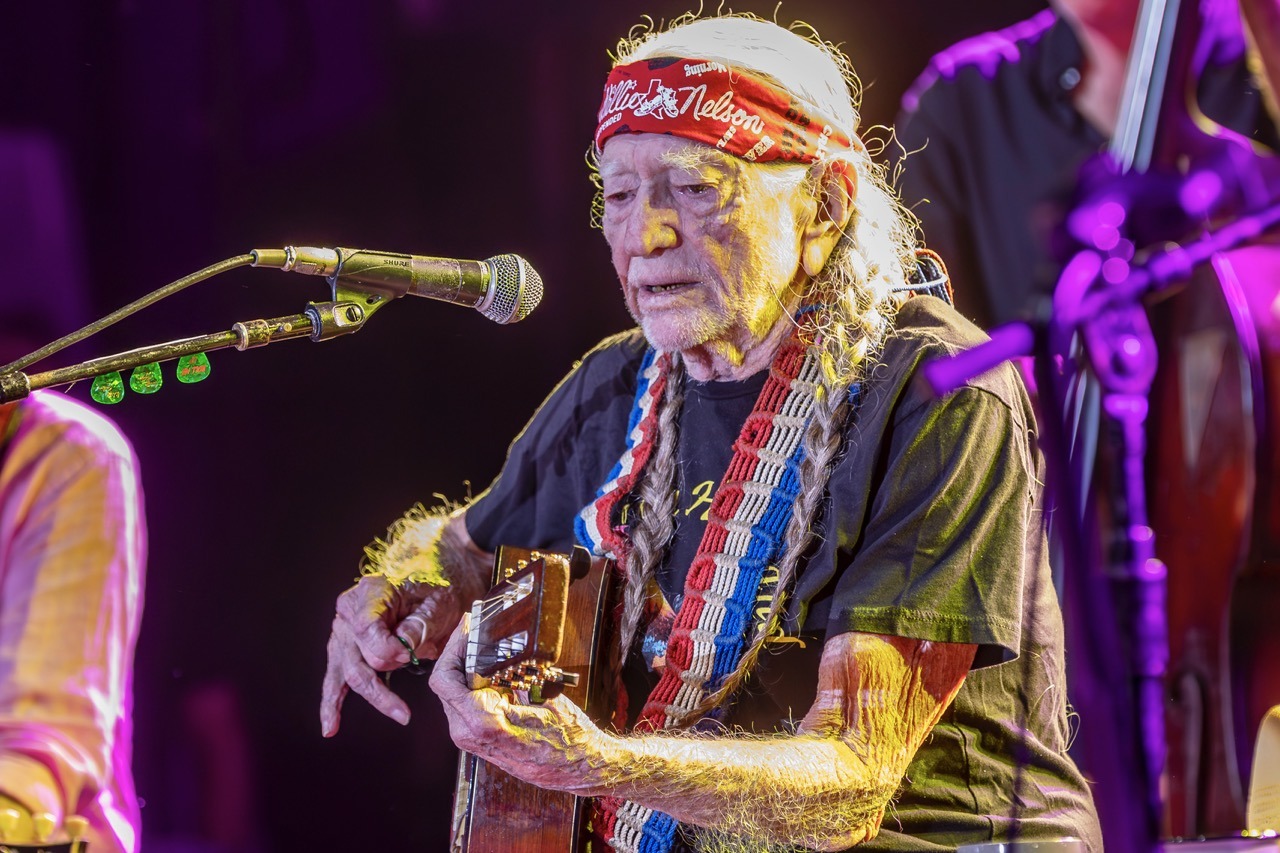
In 2025-2026, at 92, Nelson showed no signs of slowing. He released albums like The Border (2024) and continued his Outlaw Music Festival tour with Bob Dylan and John Mellencamp. His Fourth of July Picnic tradition endures, and he surprised fans with robust performances despite occasional cancellations for rest. Recent photos reveal a lean, active figure—crediting yoga, vegetarianism, and marijuana for his vitality.
Clickbait thrives on pitting figures against each other, but Nelson’s real power lies in unity—bridging generations, genres, and viewpoints through song. In a polarized era, his dignified approach—speaking truth without shouting—offers a model far more compelling than any invented drama.
As he sings in “On the Road Again,” life’s about “the life I love… makin’ music with my friends.” At 92, Willie Nelson keeps doing just that, proving legends don’t need viral confrontations to endure—they simply keep playing.