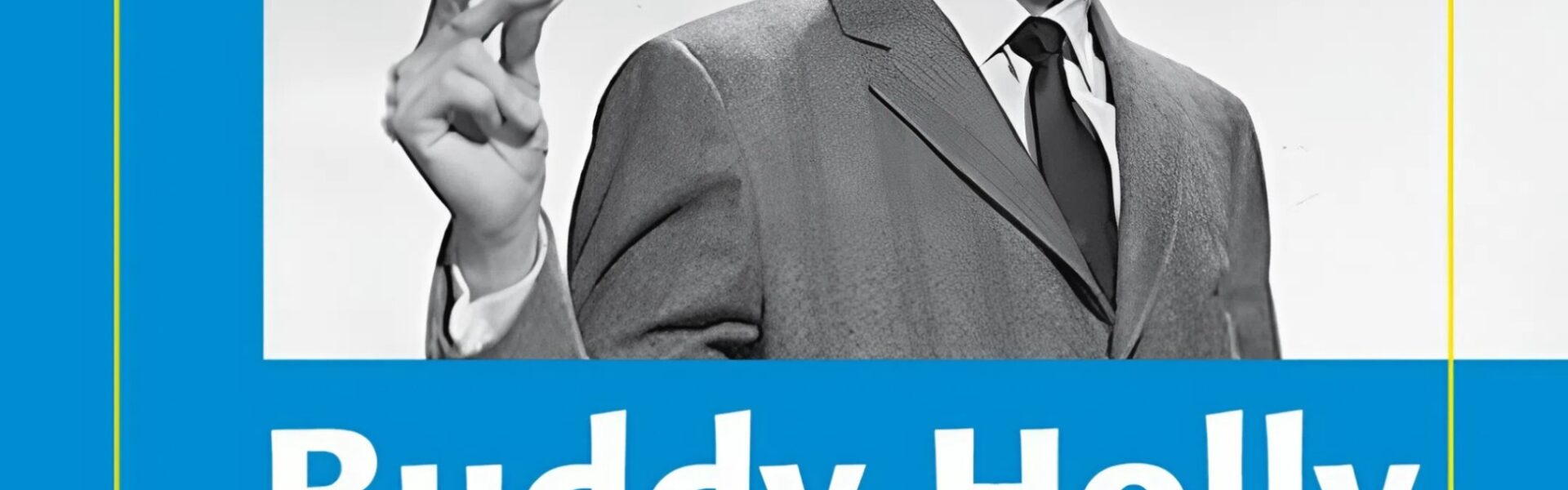
Rock ’n’ Roll Revolution: Buddy Holly’s “That’ll Be the Day” didn’t just top the charts — it ignited a new spirit of rebellion, freedom, and youthful confidence that helped redefine rock ’n’ roll forever.

Rock ’n’ Roll Revolution: How “That’ll Be the Day” Changed Music Forever
When Buddy Holly released “That’ll Be the Day” in 1957, it did far more than climb to the top of the charts. The song detonated a cultural shift — one that redefined what rock ’n’ roll could be and who it belonged to. In just over two minutes, Holly captured the restless spirit of a generation ready to challenge convention, embrace individuality, and speak with its own unmistakable voice.
At a time when popular music was still tightly controlled by polished formulas and industry gatekeepers, “That’ll Be the Day” sounded different. It wasn’t smooth or submissive. It was confident, direct, and fearless — a declaration wrapped in melody.
A Sound That Broke the Mold
From its opening beat, “That’ll Be the Day” carried a driving rhythm that refused to sit quietly in the background. The guitar was sharp, the tempo confident, and Holly’s vocal delivery unapologetically clear. There was no excessive ornamentation, no dramatic crooning — just raw energy and emotional honesty.
Buddy Holly didn’t sing at his audience. He sang with them.
That approach alone set the song apart. Holly sounded like the kids listening to him — not like a distant star, but like one of their own. His voice carried attitude without arrogance, rebellion without chaos, and confidence without cruelty.
Lyrics That Spoke for a Generation
Lyrically, “That’ll Be the Day” was simple, but its impact was profound. The message was firm and self-assured — a refusal to be manipulated, controlled, or underestimated. At a time when young people were expected to fall in line, the song quietly but unmistakably pushed back.
It wasn’t a protest anthem in the traditional sense, yet it embodied resistance. It told listeners they had the right to define themselves, to say no, and to stand their ground.
That sentiment resonated deeply with post-war youth who were beginning to question inherited rules and expectations. Holly gave them a voice — and, more importantly, the confidence to use it.
Redefining Rock ’n’ Roll Identity
Before Buddy Holly, rock ’n’ roll often leaned heavily on exaggerated personas or borrowed identities. Holly changed that. With “That’ll Be the Day,” he proved that authenticity could be just as powerful as theatrics.
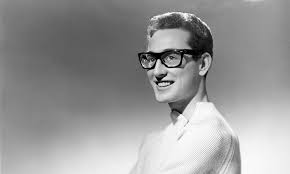
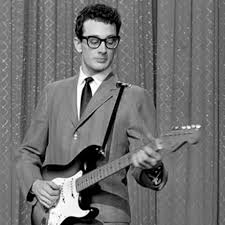
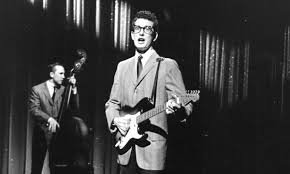
He wrote his own songs. He played his own instruments. He looked ordinary — thick-rimmed glasses and all — yet sounded extraordinary.
This combination shattered the idea that a rock star had to fit a specific mold. Suddenly, creativity mattered more than image. Truth mattered more than polish. And music became a platform for personal expression rather than imitation.
A Blueprint for the Future
The influence of “That’ll Be the Day” extended far beyond its release. Its structure, tone, and attitude became a blueprint for countless artists who followed. Bands like The Beatles, The Rolling Stones, and Bob Dylan would later cite Buddy Holly as a foundational influence — not just musically, but philosophically.
The song demonstrated that rock ’n’ roll could be:
-
Honest instead of artificial
-
Youth-driven instead of industry-controlled
-
Bold without being reckless
It helped open the door for artists to write their own material, challenge authority, and build careers rooted in authenticity.
More Than a Hit Record
While “That’ll Be the Day” dominated radio waves and climbed charts, its true legacy lies in what it represented. It marked a moment when music stopped asking for permission and started claiming space.
The song didn’t shout rebellion — it embodied it.
And that subtle confidence is what made it timeless.
Buddy Holly’s Enduring Legacy
Buddy Holly’s life was tragically short, but his impact was immense. “That’ll Be the Day” remains one of the clearest examples of how a single song can shift culture, empower listeners, and redefine an entire genre.
Decades later, its rhythm still feels alive. Its message still feels relevant. And its influence still echoes through modern music.
More than a chart-topper, “That’ll Be the Day” was a declaration of independence — one that proved rock ’n’ roll could be fearless, personal, and unapologetically real.
And in doing so, Buddy Holly secured his place as one of the true architects of modern music.
Paula Mattern đã bình luận về ảnh của bạn.5 giờ