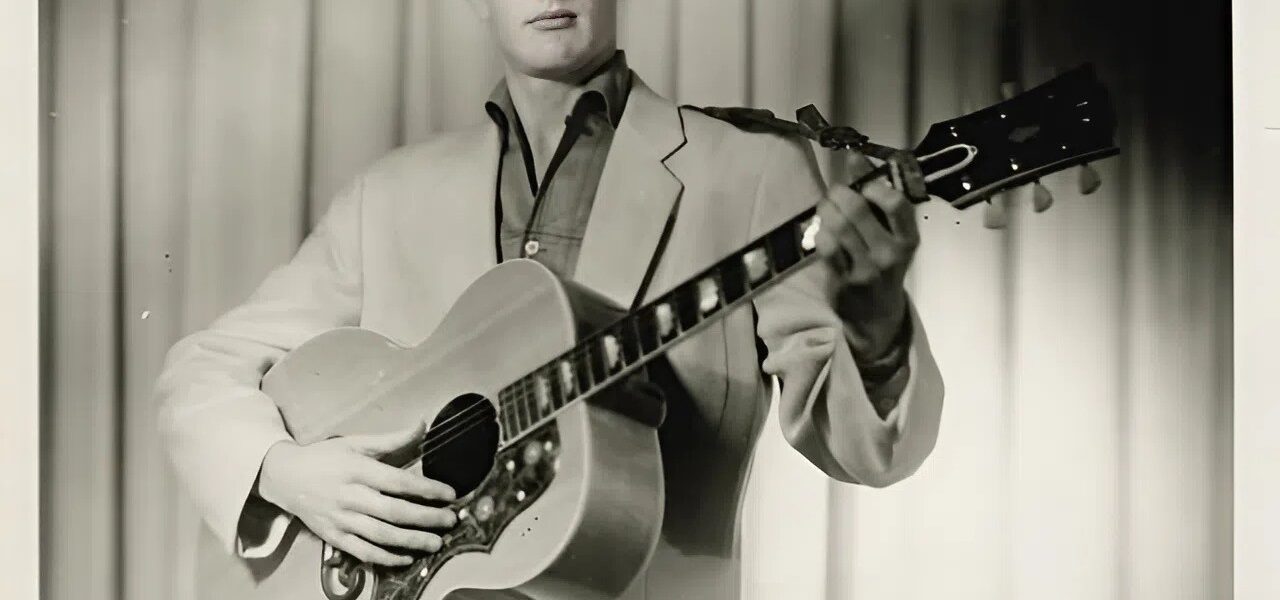

Buddy Holly’s “That’ll Be the Day” stands as one of the most defining classics in the history of rock ’n’ roll, a song that didn’t merely reflect its era but actively shaped it. Released in 1957, at a time when rock music was still searching for its identity, the track captured the restless energy, youthful defiance, and fresh sound that would soon dominate popular culture.
More than six decades later, “That’ll Be the Day” remains instantly recognizable — not just as a hit record, but as a cultural landmark that helped give early rock ’n’ roll its voice.
A Sound That Defined a Generation
From the opening beat, “That’ll Be the Day” delivered a driving rhythm that felt urgent and alive. The song blended rockabilly roots with a modern edge, creating a sound that was raw yet accessible. Buddy Holly’s guitar work was crisp and propulsive, while the rhythm section kept the track moving with confidence and swagger.
What truly set the song apart, however, was Holly’s unmistakable vocal style. Clear, direct, and emotionally grounded, his voice carried both attitude and warmth. He didn’t rely on exaggerated theatrics — instead, he sounded authentic, relatable, and assured. That authenticity resonated deeply with young listeners who were eager for music that reflected their own experiences and emotions.
Youthful Defiance in Simple Words
Lyrically, “That’ll Be the Day” was deceptively simple. Its message of standing firm and refusing to be pushed around spoke directly to a generation beginning to challenge social expectations. Without being overtly political or confrontational, the song embodied a quiet rebellion — a declaration of independence wrapped in melody.
At a time when youth culture was just beginning to assert itself, Buddy Holly gave it a soundtrack. The song told young listeners that their voices mattered, that they could define their own paths, and that confidence didn’t require permission.
More Than a Chart-Topping Hit
Commercially, “That’ll Be the Day” was a massive success, topping charts and establishing Buddy Holly as a major star. But its importance goes far beyond sales numbers. The song became a cultural marker, signaling a shift in popular music toward youth-driven expression and artistic independence.
Holly’s approach — writing his own songs, playing his own instruments, and presenting himself without a manufactured image — helped redefine what a rock musician could be. He proved that rock ’n’ roll could be both rebellious and timeless, energetic yet emotionally honest.
Influence That Echoed Through Music History
The impact of “That’ll Be the Day” can be heard in the work of countless artists who followed. From The Beatles and The Rolling Stones to Bob Dylan and beyond, many of rock’s greatest names have cited Buddy Holly as a foundational influence. His emphasis on songwriting, authenticity, and individuality became a blueprint for modern music.
The song showed that rock ’n’ roll wasn’t just a passing trend — it was a lasting form of expression capable of evolving and enduring across generations.
Securing Buddy Holly’s Legacy
Although Buddy Holly’s life and career were tragically short, “That’ll Be the Day” ensured his place in music history. The song remains a defining example of early rock ’n’ roll at its best — bold, honest, and full of youthful confidence.
Today, it still feels alive. Its rhythm still moves listeners. Its message still resonates. And its influence is still felt in the DNA of modern music.
More than a classic, “That’ll Be the Day” is a testament to Buddy Holly’s role as a pioneer — an artist who helped define not just a genre, but an entire generation.