
• This Is What Democracy Looks Like — Pete Buttigieg Shows Up
In an era when many Americans feel unheard, unseen, or spoken at rather than
listened to, a simple act can feel revolutionary: showing up.
That’s exactly what Pete Buttigieg did.
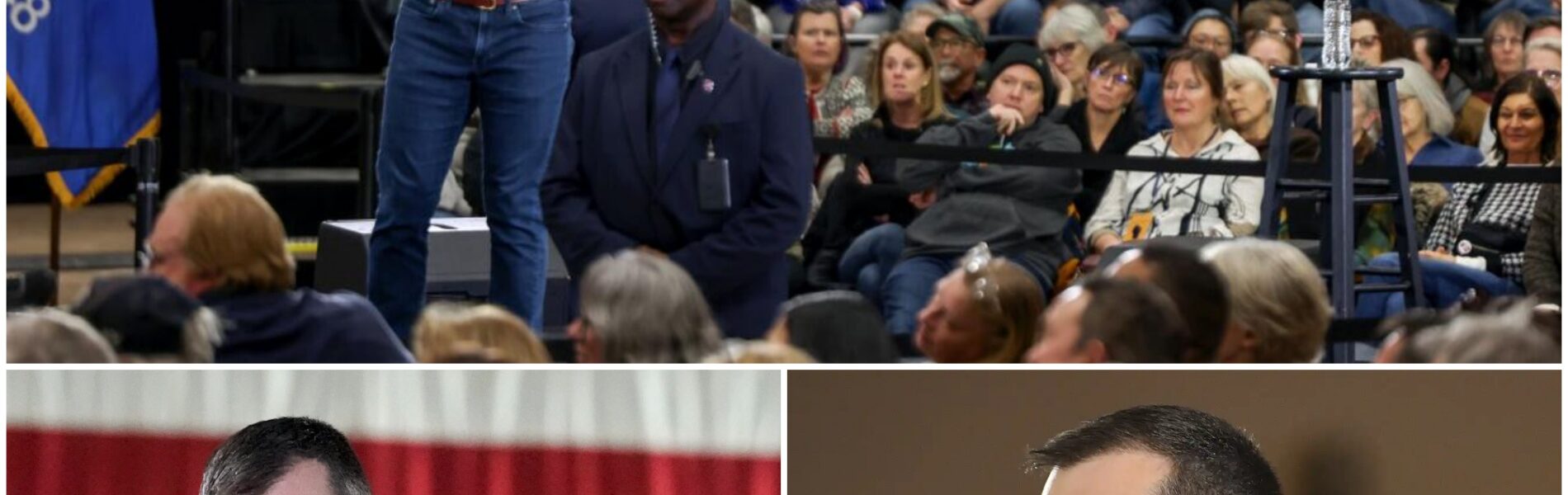
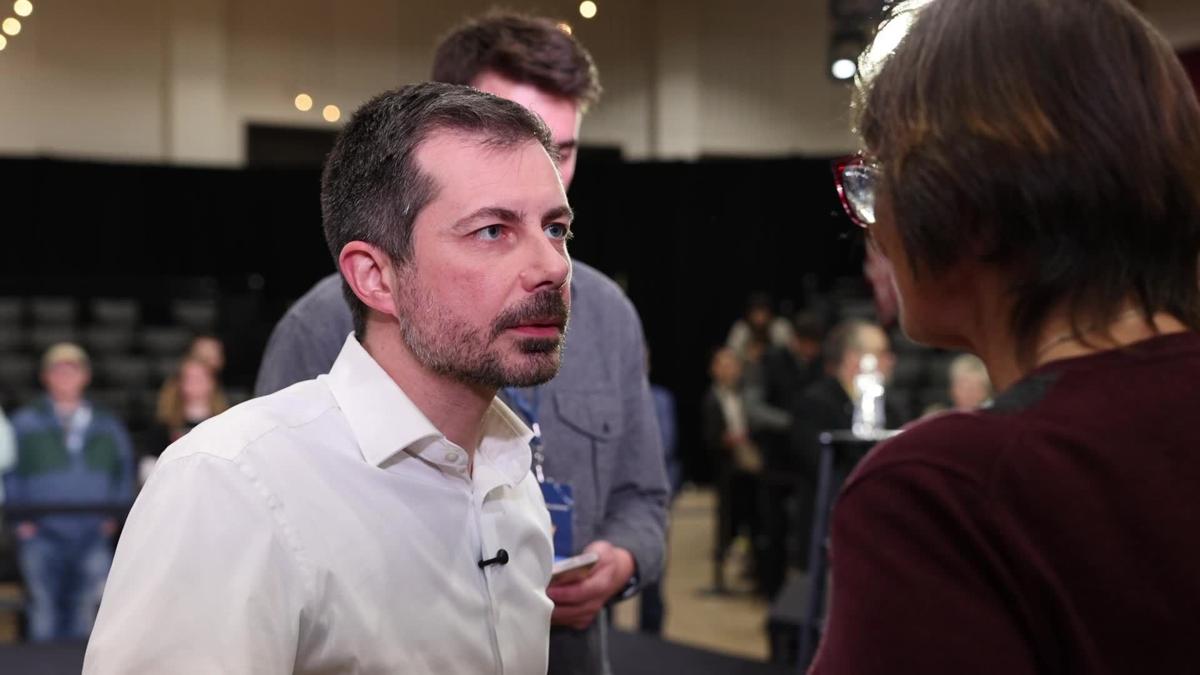
For more than 90 uninterrupted minutes, Buttigieg engaged directly with voters — not through scripted talking points or filtered sound bites, but in real conversation.
He answered difficult questions, absorbed frustration, acknowledged disagreement,
and listened with the kind of attention that’s become increasingly rare in public life.
There were no shortcuts.
No rushing the clock.
No dodging the hard parts.
And that’s why the moment resonated.
At a time when some elected officials avoid town halls, restrict press access, or insulate themselves from criticism, Buttigieg’s presence felt like a reminder of what
public service is supposed to look like.
Democracy, after all, doesn’t thrive in silence or distance.
It thrives in rooms where leaders are willing to sit face-to-face with the people they serve.
Throughout the discussion, voters raised concerns that cut across ideology —
economic pressure, political polarization, trust in institutions, and the feeling that the system no longer responds to ordinary people.
Buttigieg didn’t dismiss those frustrations. He validated them.
“You’re not wrong to feel this way,” he told one attendee. “The question is what we do with that feeling.”
One of the most powerful moments came when he addressed the growing culture
of division that dominates American politics.
“If they’re doing everything they can to pull us apart,” he said,
“let’s do everything we can to bring people together.”
The line drew applause – not because it was dramatic, but because it felt grounded.
Buttigieg wasn’t calling for forced unity or ignoring differences.
He was arguing for something more difficult: refusing to dehumanize one another, even in disagreement.
He warned that when politics becomes about humiliation rather than solutions, democracy weakens.
When opponents are treated as enemies instead of fellow citizens, the system begins to fracture.
His message was clear: accountability and compassion are not opposites — they are partners.
Importantly, Buttigieg didn’t frame criticism of America as disloyalty.
He pushed back against the idea that acknowledging flaws means hating the country.
“Loving America doesn’t mean pretending it’s perfect,” he said. “It means believing it’s worth the work.”
That sentiment landed deeply with the audience.
In a polarized environment where criticism is often weaponized, Buttigieg reframed it as civic responsibility.
Democracy, he argued, depends on citizens and leaders willing to confront uncomfortable truths — not to tear the country down, but to build it up.
The conversation moved fluidly from values to policy.
Buttigie discussed the need for structural reforms, emphasizing that trust in democracy erodes when people feel the rules are rigged or unresponsive.
He spoke about accountability — not just for leaders, but for systems that should serve everyone fairly.
Rather than offering easy answers, he laid out trade-offs, constraints, and the importance of sustained engagement beyond election cycles.
What stood out most wasn’t any single policy position.
It was tone.
Buttigieg didn’t dominate the room. He shared it.
He listened as much as he spoke, often pausing to let voters finish their thoughts before responding.
Even when challenged sharply, he remained calm and respectful, modeling the kind of discourse many Americans say they want but rarely see.
For those in attendance, the experience felt personal.
Several voters later described feeling “heard,” even when they didn’t agree with every answer. That distinction matters.
Democracy isn’t about universal agreement — it’s about mutual recognition.
It’s about knowing that your voice counts, even when the outcome isn’t exactly what you hoped for.
In a media landscape dominated by outrage cycles and viral conflict, moments like this don’t always trend — but they endure.
They remind people that democracy isn’t only something that happens on Election Day or in courtrooms.
It happens in community centers, auditoriums, and town halls.
It happens when leaders show up, stay late, and accept that listening is part of the job.
Buttigieg’s appearance didn’t solve every problem raised that night. It wasn’t meant to.
What it did was reaffirm a basic democratic principle: power flows best when it remains connected to the people.
In a polarized world, that connection is fragile — and precious.
For many watching, this wasn’t just a political event. It was a reminder of possibility.
Of a version of public life where leaders don’t hide, citizens aren’t dismissed, and disagreement doesn’t have to mean contempt.
Democracy isn’t loud all the time.
Sometimes it looks like a chair pulled closer.
A question answered honestly.
And a leader willing to stay in the room.
• That’s what democracy looks like in motion.