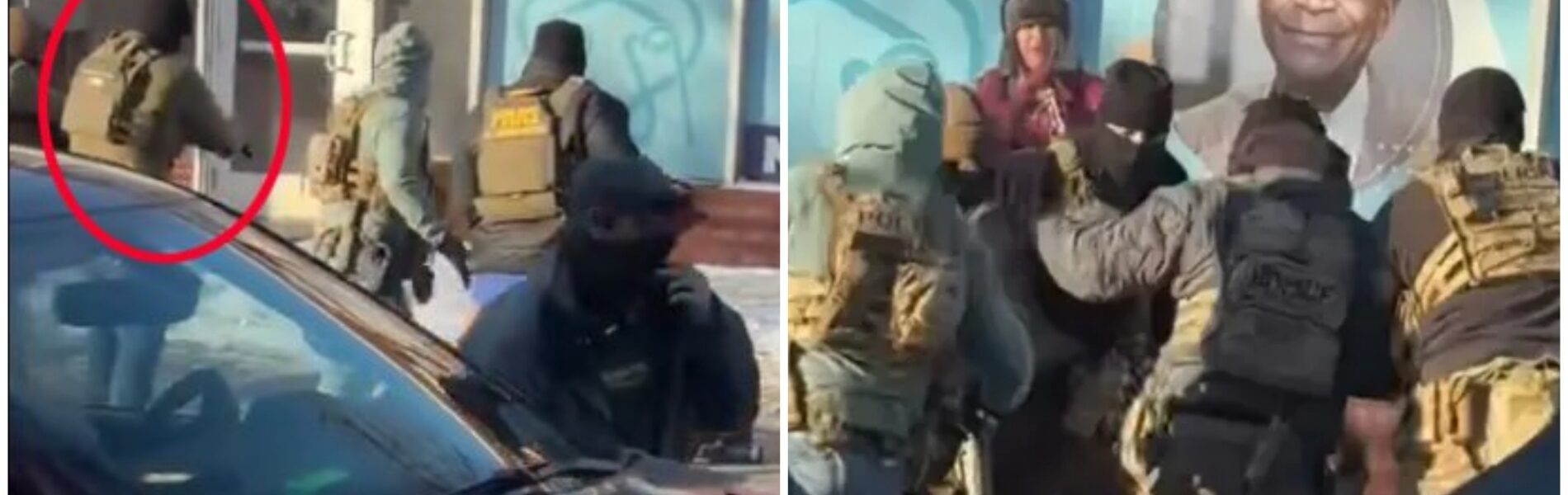

In the wake of a series of controversial immigration enforcement actions in Minneapolis, Minnesota, a tragic new chapter unfolded on January 24, 2026, when federal agents fatally shot a U.S. citizen — marking yet another deadly incident involving Immigration and Customs Enforcement (ICE) and Border Patrol agents during a sweeping immigration crackdown. The incident, which occurred in broad daylight amid heightened tensions between federal authorities and local communities, has intensified national debate over the role of federal law enforcement, civil rights, and the administration’s immigration policies.
A Third Shooting in Less Than Three Weeks
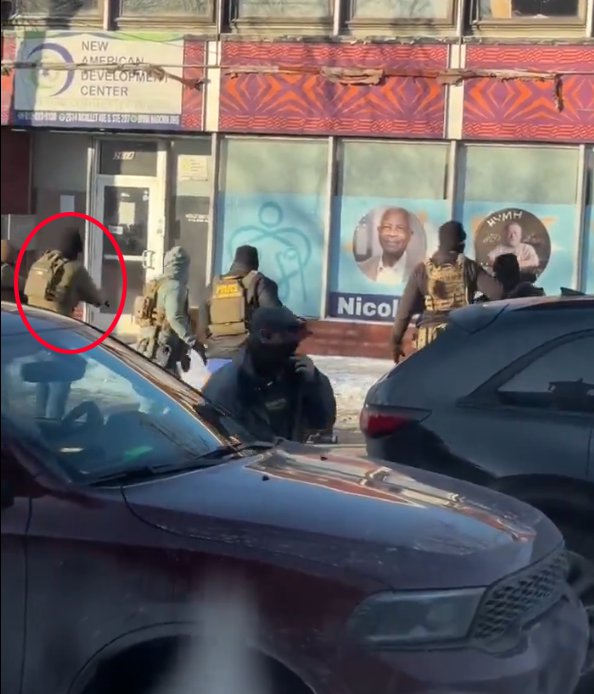
The fatal shooting of 37-year-old Minneapolis resident Alex Jeffrey Pretti — an ICU nurse and U.S. citizen — was reported shortly after federal agents conducting an immigration enforcement operation confronted civilians in the Whittier neighborhood of Minneapolis. This marked the third shooting by federal agents in the city in less than three weeks, following earlier controversial shootings that already had the community on edge.
Pretti was reportedly participating in or present during protests and observing federal agents when the incident occurred. According to video evidence and eyewitness accounts, Pretti was pinned to the ground by multiple agents before several rounds were fired, resulting in his death.
Conflicting Accounts and Video Evidence
Federal officials claimed Pretti approached agents with a firearm, justifying the use of deadly force. However, videos circulating on social media and reported by major news outlets appear to contradict the official account. In those recordings, Pretti is seen holding a mobile phone and filming federal agents before being sprayed with a chemical agent, tackled, and disarmed — with no clear indication that he brandished a weapon in an aggressive manner.
Witness testimonies further dispute the federal narrative. Some bystanders described Pretti as trying to help another person or simply documenting the federal operation when agents detained and ultimately shot him. These accounts highlight the chaotic and confusing nature of the encounter, contributing to widespread skepticism about the government’s justification for lethal force.
Who Was Alex Pretti?
Pretti was more than just a bystander caught in a volatile law enforcement operation. Family members and friends remember him as a dedicated health-care worker and community-minded individual. He was an ICU nurse at the U.S. Department of Veterans Affairs hospital in Minneapolis — a profession centered around caring for some of the nation’s most vulnerable populations. His colleagues spoke of him as compassionate and devoted, characteristics that sharply contrast with the violent end to his life.
Pretti also reportedly engaged in protests and demonstrations against immigration enforcement policies — particularly following the earlier fatal shooting of Renee Good, another Minneapolis resident who was killed by an ICE agent on January 7. These events appeared to have deeply affected him and others in his community, driving them to voice opposition to federal tactics and operations.
A Nation Angered: Protests Across Cities
The shooting ignited a renewed wave of protests, not only in Minneapolis but also in major cities across the United States. Demonstrators gathered in New York City, Boston, San Francisco, Los Angeles, and other urban centers to decry the use of lethal force by federal agents and to call for accountability and reform. Chants like “ICE out” and demands for justice for Pretti and other victims of federal enforcement echoed across freezing winter streets.
Many protesters painted the federal operation as an example of excessive force and civil rights violation. Public figures and local leaders amplified these sentiments, urging restraint and calling for greater oversight over federal agencies operating within city limits. The widespread demonstrations underscore the profound level of public discontent surrounding immigration enforcement tactics and alleged abuses.
Political and Legal Ramifications
The shooting has thrust immigration policy, federal-local jurisdiction conflicts, and law enforcement accountability into the national spotlight — just months before critical midterm elections. Minnesota’s governor and city officials condemned the operation, describing it as unnecessary and harmful to community trust. They have called for federal agents to withdraw and for a thorough, independent investigation into the shootings and methods used by federal officers.
Critics argue that this incident reflects a broader pattern of unchecked federal authority in immigration enforcement. They point to the rapid succession of violent encounters and aggressive tactics — including raids, injuries to bystanders, and confrontations — as evidence that DHS and ICE operations have spiraled beyond reasonable oversight. Some city and state leaders have even initiated legal actions challenging the legitimacy of such federal enforcement actions without local cooperation or transparency.
Conversely, federal authorities maintain that agents are acting within their legal authority and responsibilities, asserting that any use of force is a matter of officer safety and self-defense. These conflicting positions highlight deep fractures between federal and local jurisdictions and raise serious questions about coordination, accountability, and transparency in law enforcement operations.
The Broader Immigration Enforcement Context
The shooting did not happen in isolation but was part of a larger immigration enforcement push known as “Operation Metro Surge,” which mobilized thousands of immigration agents in Minneapolis. This surge, described as one of the largest federal immigration crackdowns in the city’s history, has drawn criticism for its scale and aggressive tactics.
Earlier in January, another federal agent shot and killed Renee Nicole Good, a 37‑year‑old woman, during a separate enforcement operation. The autopsy later ruled her death a homicide from multiple gunshot wounds, and her killing became a flashpoint for outrage and protest in Minneapolis.
These successive deadly encounters have raised alarms about civil liberties, the militarization of immigration enforcement, and the use of federal power in urban settings. Advocates for reform argue that harsher scrutiny, independent investigations, and new protocols are essential to prevent further loss of life.
Calls for Accountability and Reform
In the wake of the shooting, union leaders, civil rights groups, and members of Congress have publicly demanded accountability. Many have called for independent investigations into the conduct of federal officers, transparency in reporting use-of-force incidents, and a review of federal immigration enforcement policies — especially when such operations take place far from the U.S. border.
Some lawmakers have proposed reducing or restructuring funding for the Department of Homeland Security and ICE, arguing that current approaches create more harm than security. These proposals focus on protecting civil rights, preventing militarized law enforcement tactics from being used domestically, and ensuring that enforcement actions are conducted ethically and legally.
A City in Mourning and a Nation Divided

The death of Alex Pretti has brought grief, anger, and frustration to Minneapolis and beyond. For many, his story is emblematic of broader systemic issues surrounding immigration enforcement and federal power. As his family and community mourn, calls for justice and reform intensify — reflecting a nation divided over the proper balance between law enforcement authority and protection of individual rights.
The fallout from this tragic shooting — and the public and political reactions it has sparked — is likely to influence ongoing discussions about federal policing, immigration policy, civic engagement, and constitutional protections for years to come.