

The story did not begin in a congressional hearing, a Senate committee, or a press conference in Washington.
It began online.
In less than thirty minutes, a dramatic political claim surged across social media timelines, group chats, and comment sections. A headline moved faster than verification, propelled by urgency, emotion, and outrage.
According to the viral narrative, Fox News host Jesse Watters had just taken decisive action against George Soros’ global funding network.
The claim alleged that protest financing was being reclassified as organized crime.
It suggested that international assets had been frozen overnight.
It framed the move as an unprecedented crackdown on “shadow money.”
The language was absolute.
The tone was explosive.
The reaction was immediate.

Viral Claims Spark Market and Media Frenzy
Online chatter intensified almost instantly. Political influencers rushed to repost the claim without sources. Supporters celebrated what they believed was a long-awaited strike against elite financial power. Critics warned of authoritarian overreach and constitutional violations.
Even Wall Street speculation spiked briefly, driven not by policy announcements, but by online momentum.
Yet beneath the noise, a familiar pattern was unfolding.
The story was moving faster than reality.
One Critical Detail Was Missing
Jesse Watters is not a senator.
He does not hold elected office.
He does not introduce legislation.
He does not have the authority to freeze assets or reclassify crimes.
Despite this, the claim spread as though those facts no longer mattered.
This is how modern political misinformation works:
emotion arrives before context, and certainty arrives before confirmation.
How the Narrative Was Built to Go Viral
The rumor framed Watters as a sudden disruptor — a media figure stepping beyond commentary and into raw political power. In this version of events, he was portrayed as someone willing to name George Soros directly and strike at the financial infrastructure behind protest movements.
The structure of the story was perfect for virality.
There was a clear villain.
There was a hero.
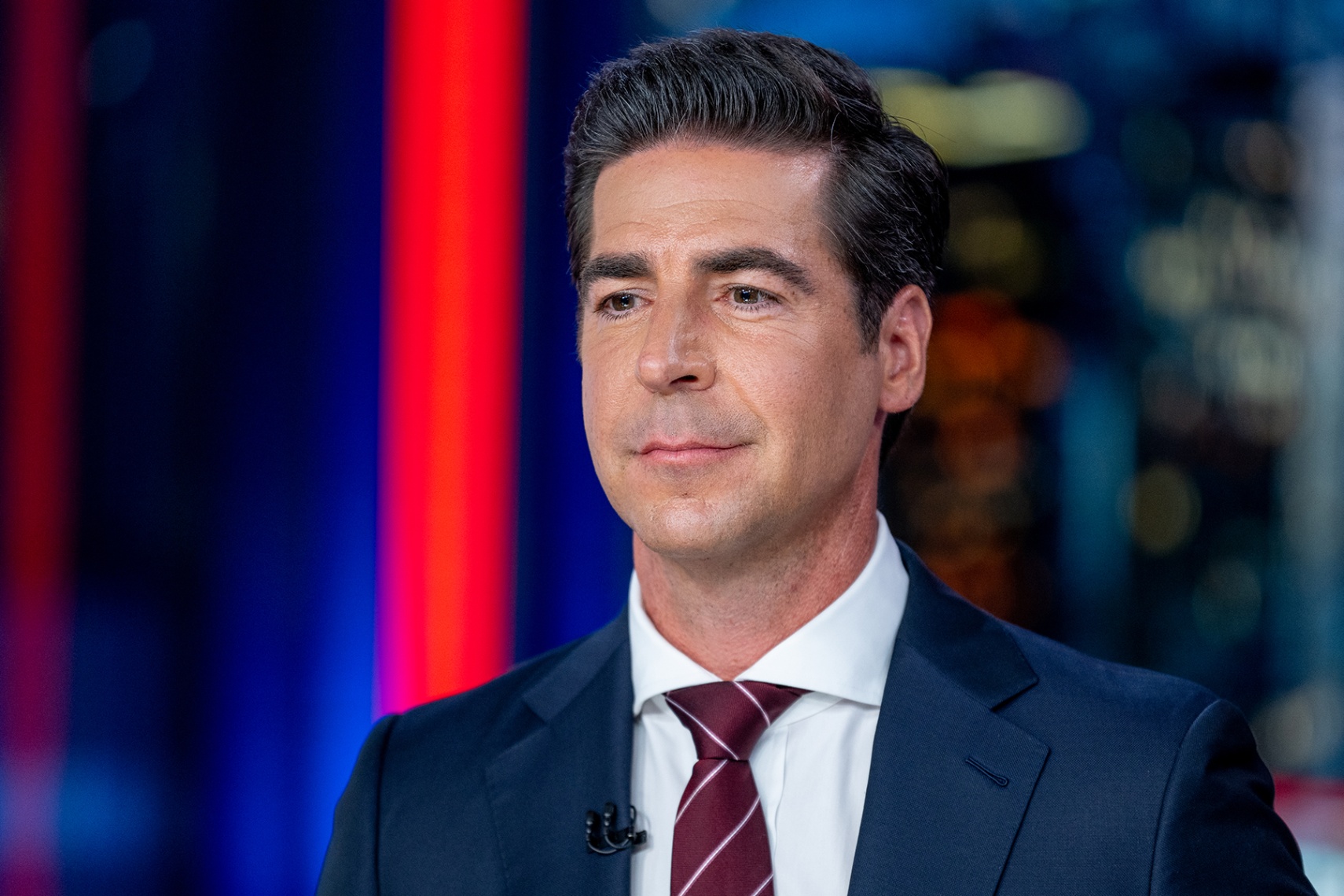
There was urgency and a ticking clock.
What followed was predictable.
Screenshots circulated without sources.
Edited video clips appeared without timestamps.
Confident captions were paired with zero documentation.
Some posts claimed investigations were already underway. Others hinted at global repercussions. A few suggested unnamed elites were scrambling behind closed doors.
None provided verifiable evidence.
Why the Story Stuck Anyway
The rumor persisted because it tapped into an existing appetite.
For years, George Soros has functioned as a symbol — not just of wealth, but of influence; not just of funding, but of unseen coordination. Any story promising accountability or disruption was almost guaranteed to spread.
Jesse Watters’ public persona added fuel. He is known for confrontation, blunt language, and open defiance of institutional power. To some audiences, the idea that he had crossed from commentary into enforcement felt plausible.
Even when it was false.
Fact-Checking Came Too Late
As journalists and analysts began pushing back, the damage was already done. Corrections traveled slower than claims. Context drowned beneath repetition.
This was not just about one viral rumor.
It highlighted a broader pattern in the digital age: authority is often created through repetition. If enough people repeat a claim, it begins to feel real. If enough accounts use the same phrasing, it sounds official.
The line between reporting and storytelling collapses.
Some supporters doubled down, arguing that whether the claim was true or not, it represented what they wanted to see happen. Others quietly deleted posts or issued partial corrections buried beneath new outrage.
Watters himself announced no bill.
There was no asset freeze.
There was no legal reclassification.
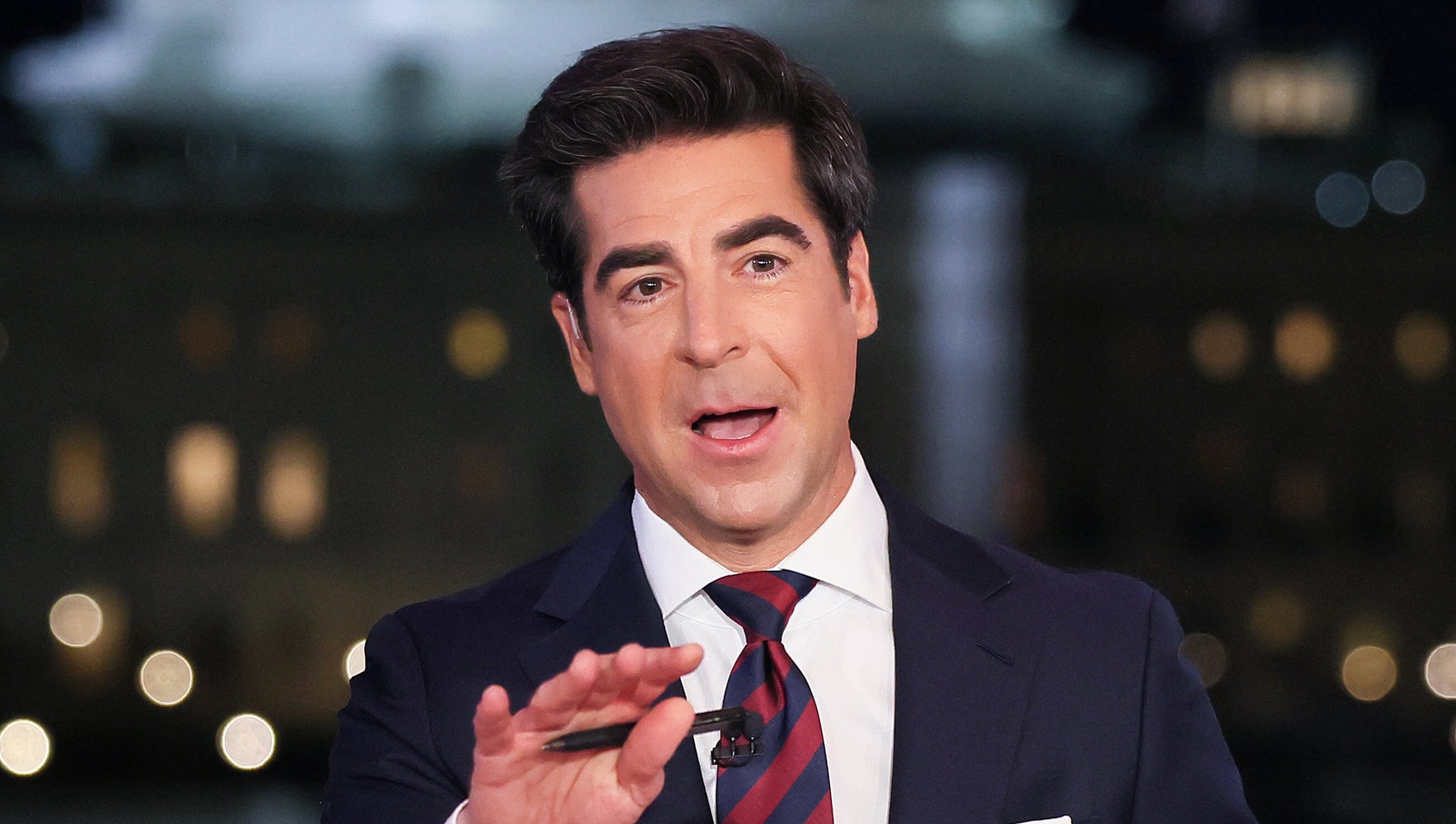
What the Rumor Really Revealed
While the claim was false, it exposed something deeper.
A hunger for disruption.
A belief that traditional systems will never self-correct.
A willingness to imagine power where trust in institutions has collapsed.
In that sense, the viral story functioned like a mirror. It reflected frustration more than fact.
It also revealed a serious risk.
When fiction spreads as fact, accountability dissolves. Anger becomes detached from reality. People react not to what is happening, but to what they are told has happened.
That is how pressure builds on false foundations.
That is how confusion becomes weaponized.
The Cost of Speed Over Truth
Media analysts later noted how carefully the original posts were constructed: urgent timing, definitive language, and no qualifiers. Everything about them mimicked breaking news.
And it worked.
Within hours, the claim reached millions — long before it was questioned.
The aftermath was quieter but more important. It forced renewed conversations about verification, responsibility, and the difference between hope and truth.
Stories shape belief.
Belief shapes action.
When stories are untethered from reality, consequences follow.

The Takeaway
The Jesse Watters–George Soros rumor will fade. Another headline will replace it. Another name will trend.
But the mechanics remain.
In a world addicted to immediacy, patience becomes radical. Fact-checking becomes an act of resistance.
The real story was never about a bill or frozen assets.
It was about how easily power can be imagined into existence — and how quickly people are willing to believe it.