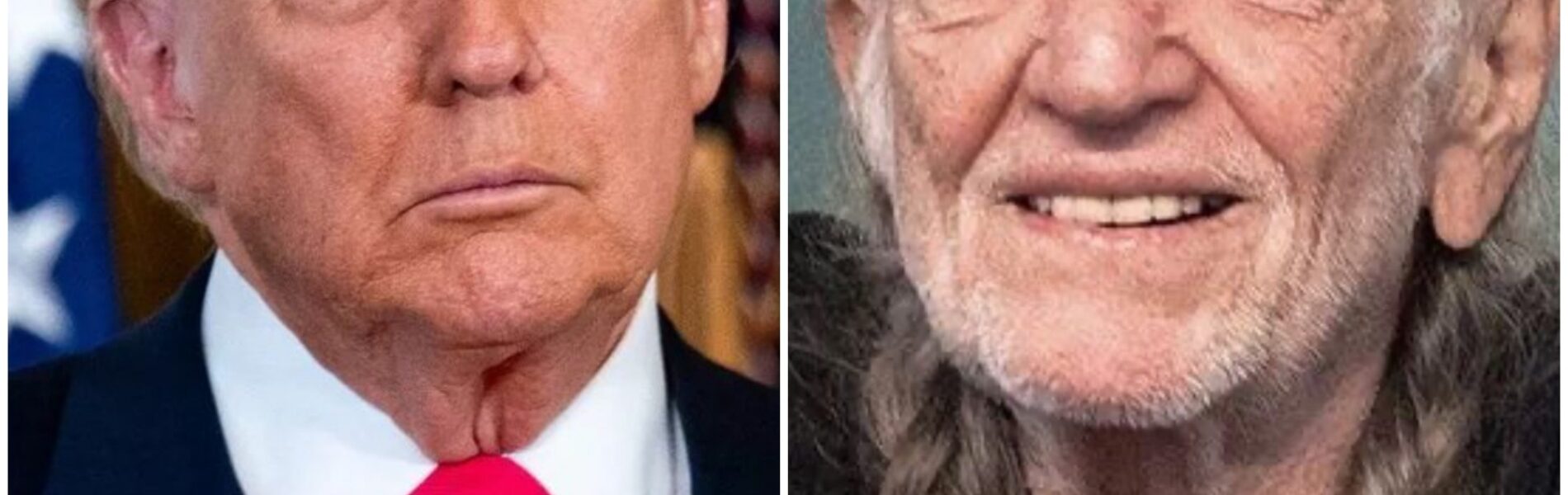

In recent weeks, a dramatic monologue attributed to country music legend Willie Nelson has gone viral on social media platforms, particularly Facebook. The post describes Nelson appearing on a television studio panel, delivering a calm yet forceful defense of former President Donald Trump amid discussions of political chaos, law and order, and media narratives. The text paints Nelson as a wise, seasoned voice cutting through partisan noise, arguing that disorder in American streets is being “amplified” and “weaponized” for political gain, ultimately benefiting opponents of Trump rather than the man himself.

The monologue begins with Nelson quietly asking, “Are you really not seeing what’s happening, or are you just pretending not to?” It builds to pointed statements like: “The chaos you keep talking about isn’t spontaneous. It’s being amplified. Weaponized. Used for political gain.” He allegedly concludes by defending enforcement of law, secure borders, and Trump’s focus on “law and order” as foundational to democracy, not authoritarianism.
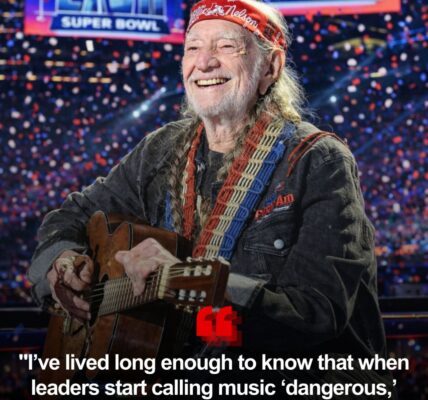
This narrative has resonated with many, shared across pages with names like “Pit Lane Reports” and “Backroad Melodies,” often accompanied by images of Nelson looking thoughtful or onstage. The posts garner thousands of likes, shares, and comments praising Nelson for his “courage” and “common sense.” But is this real? Did Willie Nelson, the iconic outlaw country singer, actually deliver this pro-Trump speech on national television?
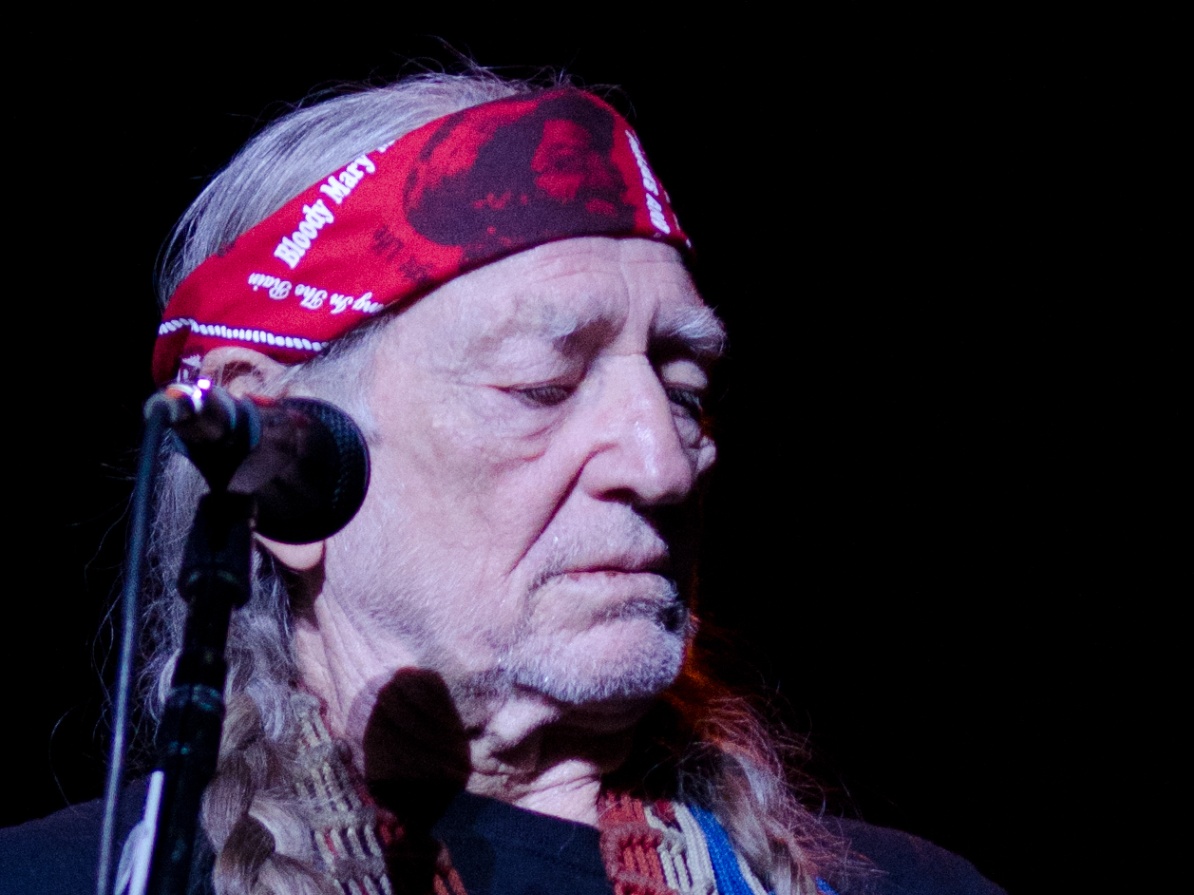
A Recent Portrait of Willie Nelson (left) and Nelson in 2012 (right), capturing his enduring presence in American music.
After thorough investigation, the answer is no—this monologue appears to be entirely fabricated. Extensive searches across major news outlets, video archives, and fact-checking sites reveal no record of such an interview or appearance. Credible sources like The New York Times, Rolling Stone, CNN, Fox News, or even country music publications such as The Boot and Hollywood Reporter have no reports of Nelson making these statements. The quote only surfaces on low-credibility Facebook pages and similar viral content farms, often posted in the last few days or weeks without links to video footage, transcripts, or specific show details.
No mainstream media coverage exists of Nelson on a panel discussing Trump in this manner. Television networks like CNN, MSNBC, or Fox—common venues for celebrity political commentary—have no matching episodes. If such a moment occurred, it would likely dominate headlines, given Nelson’s status as a cultural icon and the polarizing nature of the topic. Instead, the story mimics a pattern of fabricated celebrity quotes designed to go viral.
Willie Nelson, born in 1933 in Abbott, Texas, has a well-documented political history that starkly contrasts with the views in this viral text. Far from endorsing Trump or conservative “law and order” rhetoric in this context, Nelson has long aligned with progressive and Democratic causes. He is a lifelong advocate for farmers’ rights, co-founding Farm Aid in 1985 with Neil Young and John Mellencamp to support American family farms. In recent years, he has criticized Trump-era policies affecting agriculture, including tariffs and budget cuts that harmed rural communities.
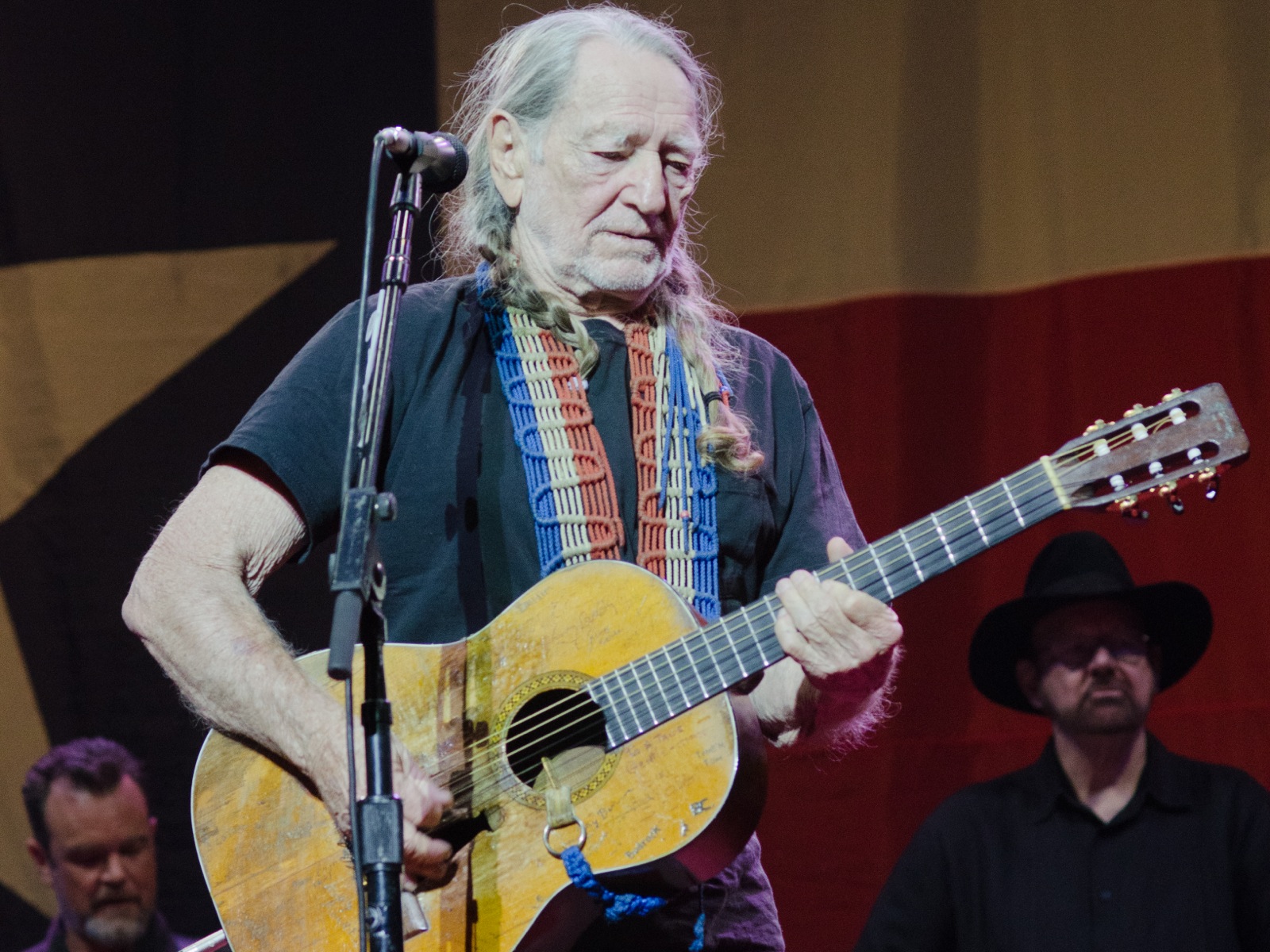
In 2018, during Trump’s first term, Nelson publicly condemned the administration’s “zero tolerance” immigration policy, calling the separation of migrant families at the border “outrageous.” He stated, “Christians everywhere should be up in arms,” and emphasized humanitarianism toward children crossing the border. Nelson even tweeted an invitation to Trump to visit a detention center together, highlighting his opposition to harsh border enforcement.
More recently, Nelson has supported Democratic candidates. He performed at events benefiting Joe Biden and Kamala Harris, and in 2024, he hosted concerts rallying support for Harris’s campaign. His official social media and interviews reflect views on issues like marijuana legalization, LGBTQ+ rights, climate change, and voting access—positions generally at odds with Trump-era Republican platforms.
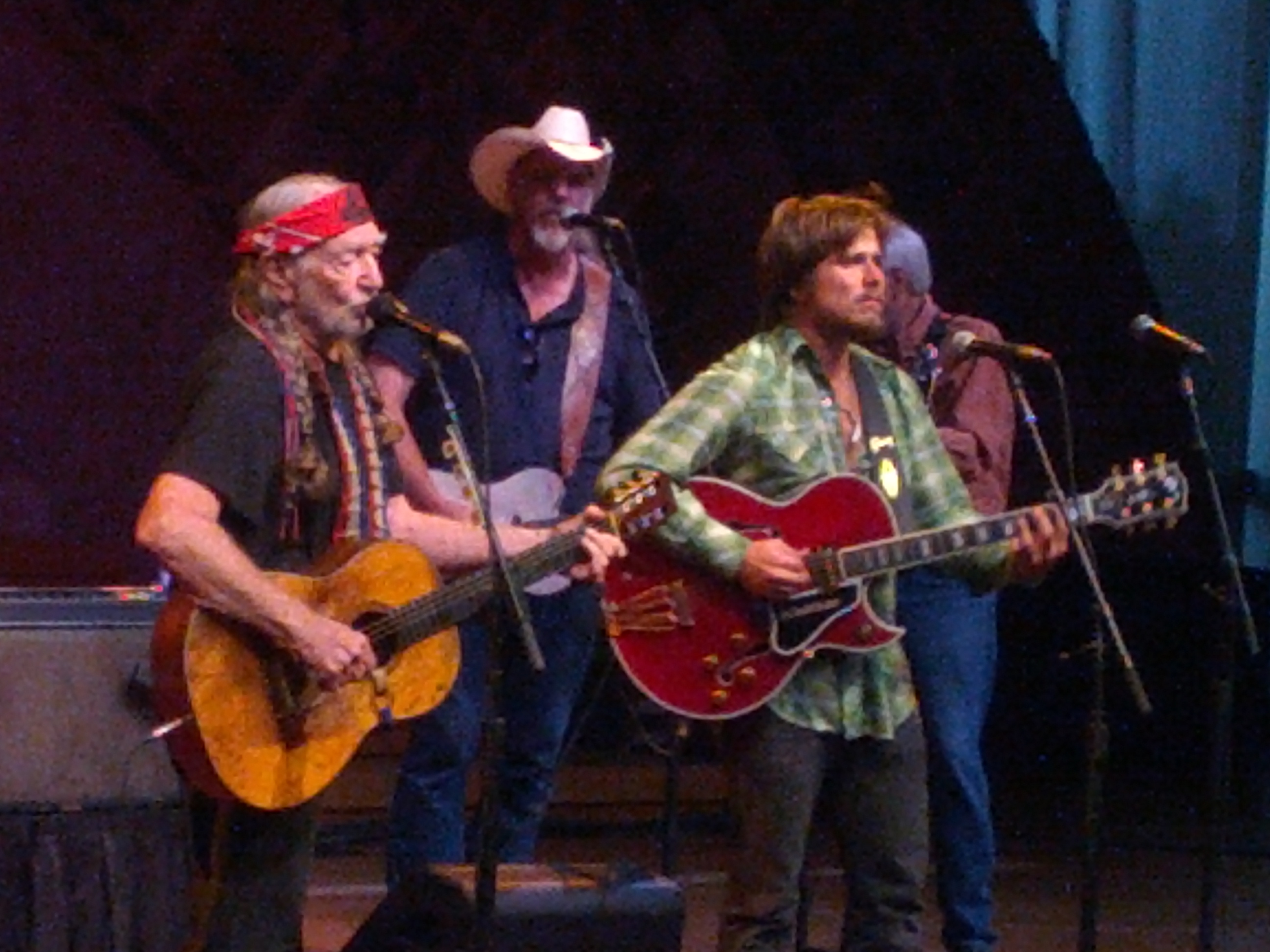
Willie Nelson Performing Live (left, 2012) and with Son Lukas Nelson Onstage (right), showcasing his legendary stage presence.
This fabricated monologue fits a broader trend of misinformation involving celebrities. Fake quotes attributed to figures like Morgan Freeman, Jon Voight, or even deceased icons are common tools for political propaganda. They often portray liberal-leaning stars as secretly conservative to appeal to specific audiences, sowing division or bolstering narratives. In Nelson’s case, as a beloved figure in country music—a genre with a significant conservative fanbase—the fake endorsement could sway opinions or create false consensus.
Social media algorithms amplify such content because it evokes strong emotions: admiration for Nelson’s supposed wisdom, frustration with “media elites,” or validation for pro-Trump views. Pages posting these stories often lack transparency, using stock photos or AI-generated images rather than evidence.

Build the Truth — Block by Block. Fake News by Nick Youngson CC BY …
An Illustration Representing Fake News and Misinformation, highlighting how fabricated stories spread online.
The spread of such falsehoods has real consequences. It erodes trust in media and public figures, polarizes discourse, and misinforms voters. Fact-checking organizations like Snopes and FactCheck.org frequently debunk similar claims, noting that celebrities rarely flip political stances dramatically without public explanation.
Nelson himself has addressed politics through music and activism rather than fiery panel debates. Albums like God’s Problem Child (2017) included subtle jabs at the political climate, and he has joked about running for president but emphasized music’s power over direct politics.
In conclusion, while the viral monologue is eloquently written and taps into current anxieties about chaos, division, and leadership, it does not reflect anything Willie Nelson has said. At 92 (as of 2025), Nelson continues touring, recording, and advocating for causes close to his heart—family farms, compassion, and freedom. Americans seeking truth would do well to verify sources before sharing. As Nelson might say through one of his songs: stick to the facts, and let the music speak.
This case underscores the importance of critical thinking in the digital age. Next time a celebrity “drops truth bombs” online, ask for the source. More often than not, it’s just smoke.