
Some say Andrea Bocelli brought opera to the masses. Others argue he “killed” true opera. Yet no one can deny the astonishing journey of Bocelli’s 30-year career, which began in 1994 with his debut album Il mare calmo della sera (The Calm Sea of the Evening). The album achieved platinum status within weeks, marking the start of a trajectory few could have imagined. Bocelli himself has referenced Oscar Wilde: “Success is the thing people least forgive.” It is a sentiment that has followed him throughout a career full of both praise and criticism.
Bocelli, though trained as an opera singer, is often recognized by the general public for Time to Say Goodbye, a pop-classical crossover rather than a traditional opera piece. The song’s melody, composed by Francesco Sartori, drifts like a distant ship on the horizon, and Bocelli’s gentle, melancholic voice anchors it deeply in listeners’ hearts. Those who have witnessed his duet with Sarah Brightman remember the striking contrast: Bocelli, calm and slightly bowed, as though merging with the music, while Brightman radiates energy, reaching high notes with arms extended, her face illuminated with expression. The performance is a masterclass in restraint and brilliance.
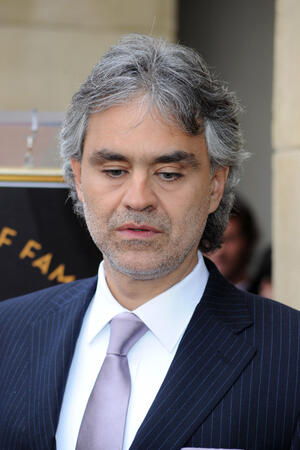
Critics have not been kind. Some argue that opera singers should never use microphones and dismiss Bocelli’s music as a compromise of classical standards, calling it, in harsh terms, “inauthentic” or “commercialized.” Yet Luciano Pavarotti, widely regarded as one of the finest tenors of the 20th century, immediately recognized Bocelli’s talent. Upon hearing a tape of Bocelli, Pavarotti offered him recording opportunities and even invited him to perform at his wedding. Years later, Bocelli was chosen to sing at Pavarotti’s funeral, a testament to the respect and admiration he earned from one of opera’s legends.
In the duet Notte ‘e piscatore, a Neapolitan song written for both artists, Pavarotti’s radiant voice contrasts beautifully with Bocelli’s soft, moonlit tones. During performances, when Bocelli sings lines like, “And the moon knows how much I long for the sun…”, Pavarotti would bow slightly, utterly absorbed in the emotion of the music. These moments reveal why Pavarotti’s family trusted Bocelli to sing at his final farewell. Bocelli’s gift lies not only in his technical skill but in the purity and emotional clarity of his voice, which can convey grief, joy, and hope all at once.
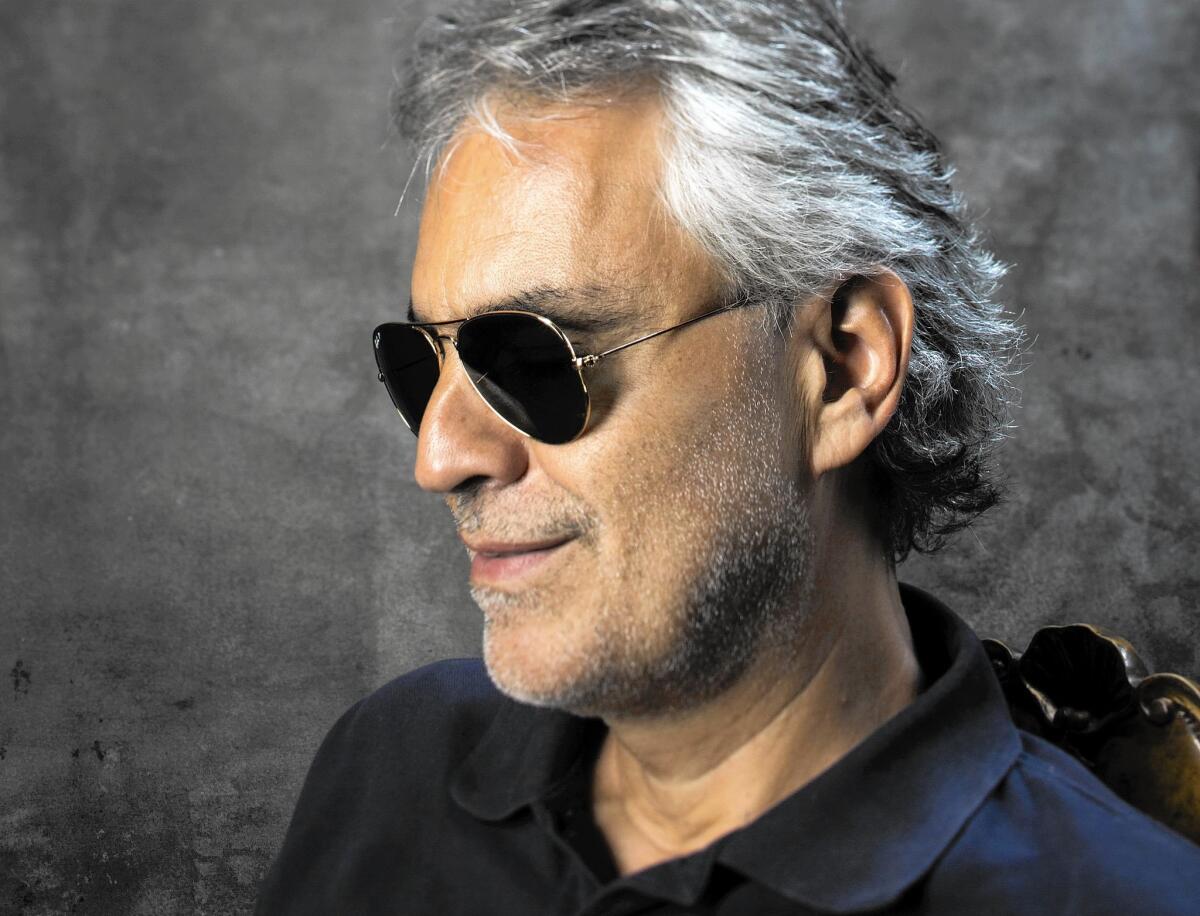
Bocelli’s influence extends far beyond these moments of shared stage magic. Over the years, he has brought opera to audiences who might never have entered a traditional opera house. Some critics complain that he has “lowered the standards” of classical music, while supporters argue that he has elevated the taste of the general public, allowing millions to appreciate complex music in a more accessible way. His performances, whether in arenas, concert halls, or through viral recordings, have consistently blurred the lines between high art and popular music.
The past three decades have also seen Bocelli embrace collaborations with artists outside classical music. Some may view duets with pop stars like Ed Sheeran as controversial, but these collaborations have introduced opera to new audiences worldwide. In every collaboration, Bocelli remains true to his vocal integrity, blending genres without compromising his signature style. This balance between accessibility and mastery is perhaps one of his greatest achievements.
Bocelli’s life has not been without personal challenges. Blinded in his teenage years due to congenital glaucoma and a football accident, he has developed a perception that transcends ordinary sight. He seems to “see” beyond conventional boundaries, understanding music, emotion, and life in ways that inspire awe. This depth of perception informs his performances, giving them an ethereal, transcendent quality. Listeners often describe his voice as capable of lifting them above the mundane, offering glimpses of something profoundly human and deeply spiritual.
Recently, Bocelli celebrated 30 years of his career with a three-day concert series at Teatro del Silenzio, an event attended by musicians, critics, and fans from around the world. The series reaffirmed that even after three decades, Bocelli’s artistry remains vital and relevant. He continues to captivate audiences, bridging gaps between generations, genres, and cultures. His performances demonstrate that technical mastery alone is not enough; what endures is the ability to touch hearts, inspire hope, and create beauty that resonates long after the music ends.
While Bocelli’s career has sparked debates about the “purity” of opera, few can question the impact of his voice and presence. His ability to connect with audiences, evoke deep emotion, and make complex music approachable ensures that his legacy is secure. He has redefined what it means to be a classical artist in the modern world, challenging old boundaries while honoring the traditions he grew up with.
Ultimately, Andrea Bocelli’s journey over 30 years reflects the tension between tradition and innovation, between criticism and adoration, and between personal vision and public expectation. He reminds us that music is not a static art but a living, evolving expression of humanity. Through every performance, every collaboration, and every heartfelt note, Bocelli continues to teach the world that true artistry lies in touching souls, regardless of labels or controversy.
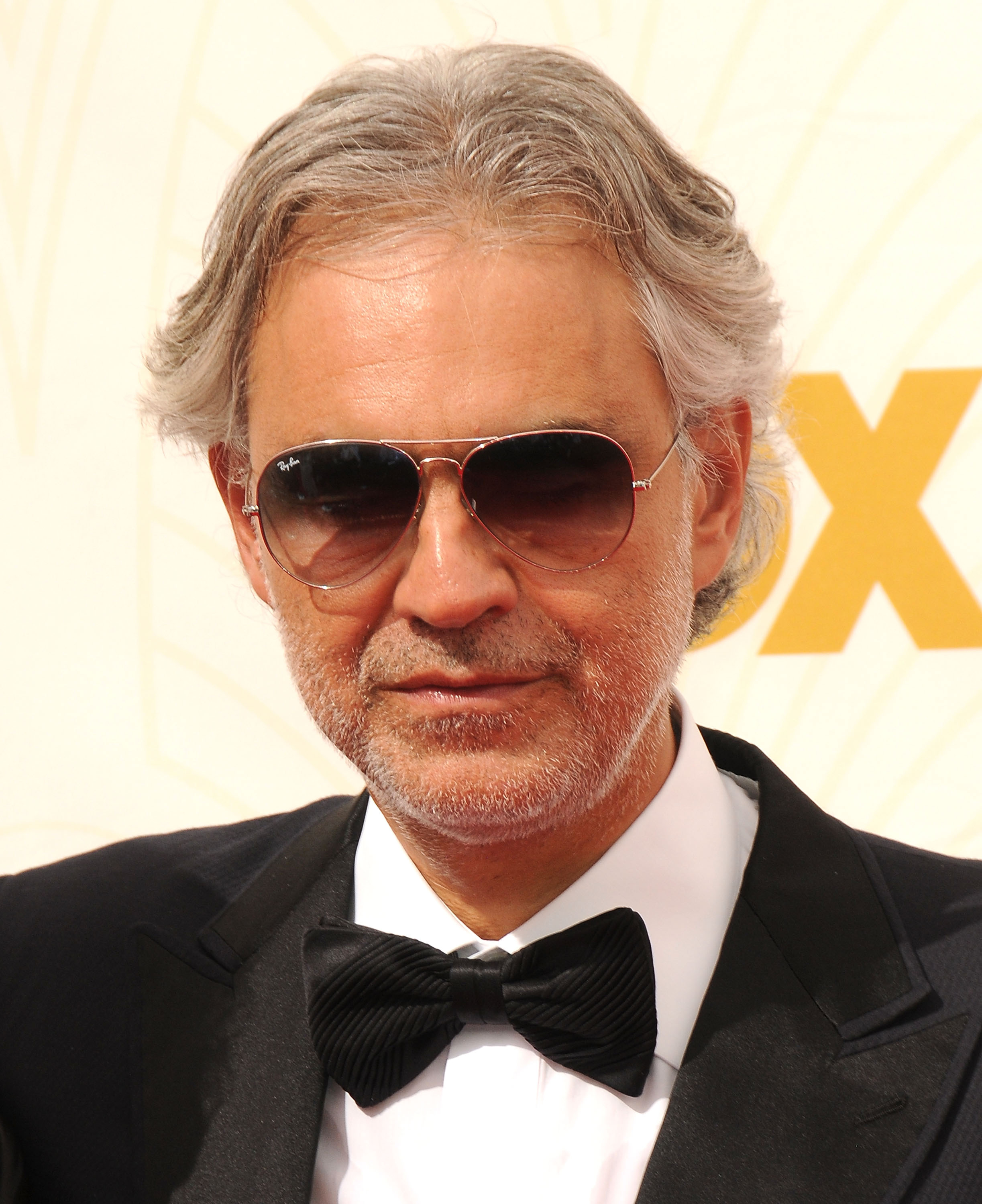
From a young blind musician in Italy to one of the most recognized and celebrated voices globally, Bocelli’s story is one of perseverance, passion, and transcendence. His voice carries not only the beauty of opera but also the universality of emotion, connecting listeners across borders, languages, and generations. Thirty years into a career that is far from over, Andrea Bocelli proves that music, when delivered with sincerity, can surpass judgment, bridge divides, and endure in the hearts of millions.