Long before Elon Musk became one of the most recognizable figures in technology—before rockets landed themselves, electric cars reshaped an industry, and his name dominated global conversations—he faced a tragedy that no level of success could ever undo.
In 2002, Elon Musk and his first wife, author Justine Musk, lost their 10-week-old son, Nevada Alexander, to Sudden Infant Death Syndrome (SIDS). It was a silent and devastating loss, one that arrived without warning and offered no explanation. Nevada stopped breathing in his sleep, and in an instant, the couple’s world was shattered.
For any parent, the loss of a child is unimaginable. For Elon and Justine, it became a defining moment—one that permanently altered the emotional landscape of their lives, even as Musk’s public profile continued to rise.
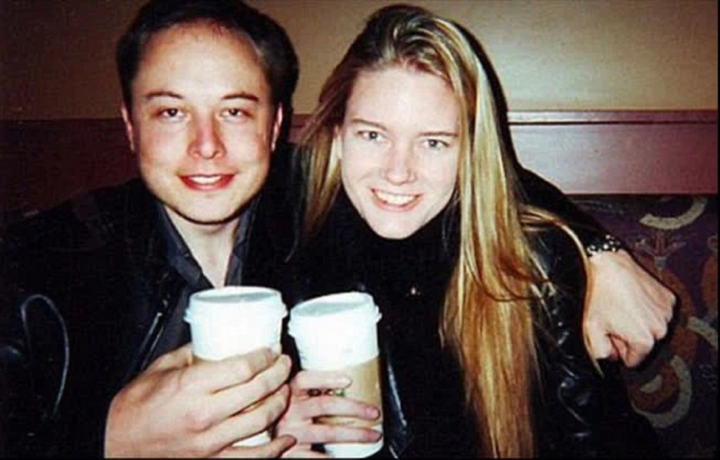
A Loss That Defies Understanding
Sudden Infant Death Syndrome is among the most painful experiences a family can endure precisely because it offers no clear cause and no sense of closure. There is no visible illness, no obvious mistake, no moment to prepare. Parents put their child to sleep, expecting an ordinary night—and wake to a reality that feels impossible to accept.
For Elon and Justine, Nevada’s death was not just a moment of grief; it was a rupture in the life they had imagined. Friends and those close to the couple later described the loss as something that fundamentally changed them, carving a space that could never truly be filled.
The pain of losing a child does not fade with time—it transforms. It becomes something parents carry quietly, often unseen by the outside world.
Grief Behind Closed Doors
At the time of Nevada’s death, Musk was still building the foundations of what would later become his vast business empire. The world did not yet view him as a tech titan or visionary. He was a young entrepreneur, newly married, navigating both ambition and devastating personal loss.
Justine Musk has spoken in the past about how profoundly the tragedy affected their relationship. She has described grief not as a shared experience that always brings people closer, but sometimes as something isolating—where each person mourns differently, and those differences can create distance.
For Elon, who has often been described as intensely focused and emotionally guarded, the loss became something deeply internalized. He rarely speaks publicly about Nevada, but those who understand grief recognize that silence does not equal absence of pain.
Some losses are too heavy for words.
The Invisible Weight of Public Figures
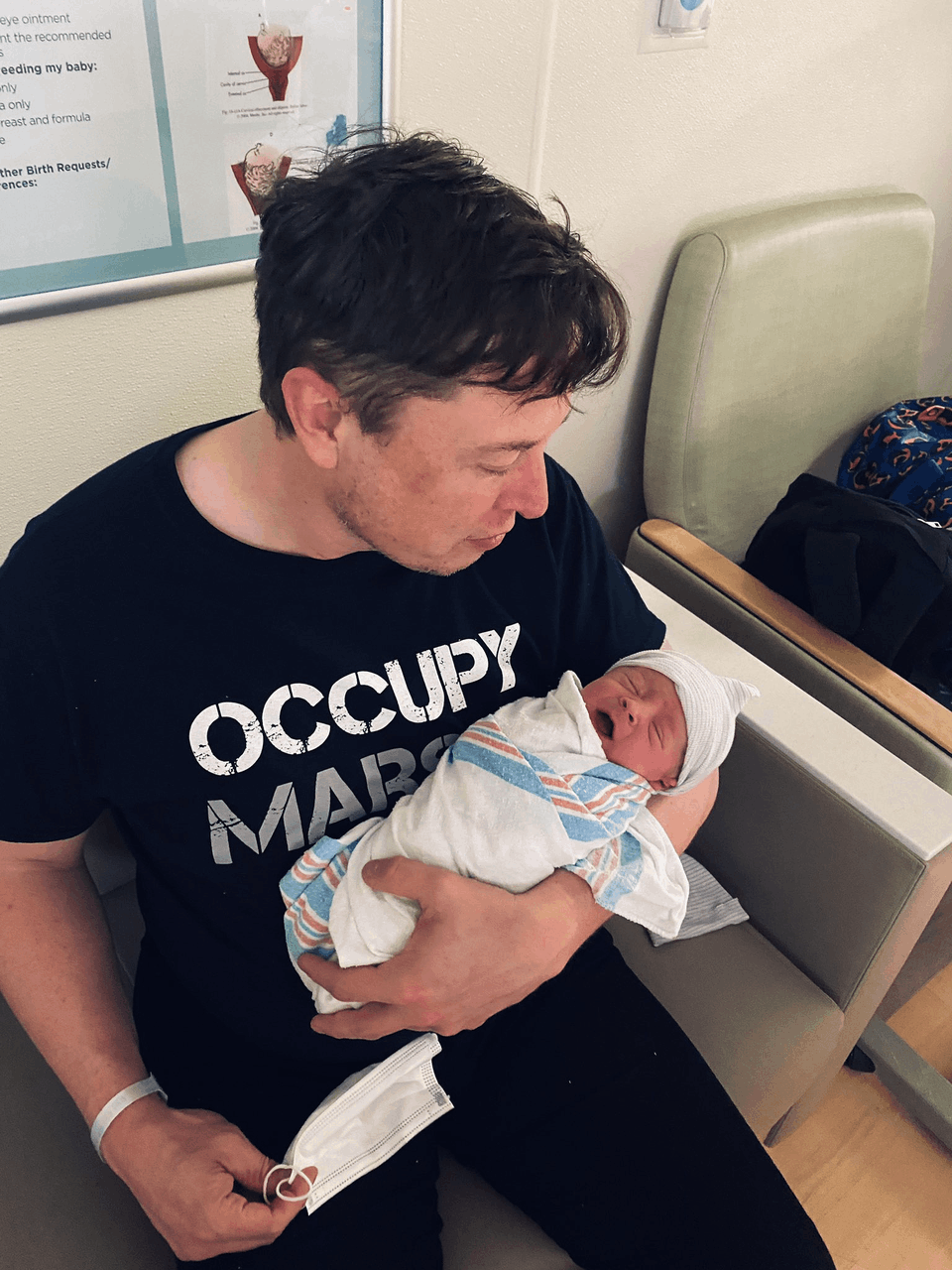
Public figures are often seen through the lens of achievement: net worth, influence, innovation, controversy. Their personal lives are reduced to headlines or footnotes. Yet tragedies like Nevada’s death remind us that behind the image of power and success is a human being subject to the same vulnerabilities as anyone else.
Elon Musk’s life is often portrayed as extraordinary—and in many ways, it is. But grief does not discriminate. It reaches into every life, regardless of status, intelligence, or ambition.
Nevada’s brief life humanizes Musk in a way few professional accomplishments ever could. It reminds us that even those who appear larger than life have experienced moments when everything felt small, fragile, and painfully uncertain.
Justine Musk and the Voice of a Mother
For Justine Musk, the loss of Nevada became an inseparable part of her identity as a mother and a writer. In later years, she has spoken about resilience, emotional survival, and the complex reality of motherhood—not as abstract concepts, but as lived experience.
Parents who lose a child often describe carrying two lives within them: the life they continue to live, and the life that might have been. That invisible weight shapes how they see the world, how they love, and how they speak about pain.
Justine’s reflections have resonated with many parents who have experienced similar loss, offering a sense of recognition in a grief that is often isolating and misunderstood.
How Tragedy Shapes a Life
It would be simplistic—and unfair—to claim that Nevada’s death directly caused Elon Musk’s later drive or ambition. Human lives are not shaped by single events alone. But grief leaves marks. It alters perspective. It changes how people relate to risk, time, and purpose.
Some observers have speculated that Musk’s relentless focus on the future—on building, preserving, and advancing humanity—may partly stem from a deep awareness of life’s fragility. When you experience profound loss early in life, the concept of permanence shifts.
Time becomes precious. Outcomes feel urgent. The future feels both fragile and worth fighting for.
While Musk rarely connects his personal loss to his public mission, the two exist side by side—one visible, one private.
A Child Who Left a Lasting Imprint
Nevada Alexander Musk lived for only ten weeks. By any measure, it was a painfully short life. Yet his existence left a permanent imprint on his parents and, indirectly, on the story of one of the world’s most influential figures.
For families who have lost children, remembrance does not depend on time lived, but on love felt. Nevada’s life mattered—not because of its length, but because of the bond it created.
That truth often goes unnoticed in public narratives focused on success and achievement.
Why This Story Matters
In an age of constant judgment and instant reactions, stories like this invite empathy. They remind us that behind headlines and public debates are human beings shaped by experiences we may never fully see.
Elon Musk is often discussed in extremes—celebrated or criticized, praised or condemned. But understanding his story means acknowledging the quieter chapters as well as the loud ones.

Grief does not excuse behavior, nor does it define a person entirely. But it does add depth. It adds humanity.
A Quiet Chapter, Never Forgotten
Nevada Alexander Musk’s story is not one of innovation or public achievement. It is a story of love, loss, and the enduring impact of a life cut short.
For Elon and Justine Musk, it remains one of the most painful chapters of their lives—a chapter that never truly closes, even as new pages are written.
And for the rest of us, it serves as a reminder: behind every public figure is a private history, often marked by joy and sorrow in equal measure.
Some stories don’t make headlines because they are too personal, too painful, too human.
But they matter all the same.