
It took just one line—delivered without a wink, without a pause—for Landman to explode beyond the boundaries of television and into the center of America’s cultural battlefield.
When Billy Bob Thornton’s character dismissed a daytime talk show as “a bunch of pissed-off millionaires bitching,” the moment didn’t feel scripted. It felt raw, confrontational, and uncomfortably direct. Within hours of the episode airing, the clip was spreading across social media, lighting up group chats, comment sections, and cable news rundowns. Landman was no longer just another drama. It had become a flashpoint.

The series, created by Taylor Sheridan, is already known for its gritty portrayal of power, money, and moral compromise in the oil industry. But this line landed differently. It didn’t just critique a fictional media landscape—it felt like a pointed jab at real-life institutions, real personalities, and real cultural tensions simmering just beneath the surface.
Supporters immediately praised the moment as “brutally honest.” They argued that Thornton’s character said out loud what many Americans privately believe: that some media figures have become disconnected from everyday struggles, arguing endlessly from positions of wealth and comfort while claiming moral authority.
“This wasn’t hate,” one viral post read. “It was class commentary.”
Others weren’t so charitable. Critics accused the show of crossing from storytelling into cheap provocation. They argued that the line reduced complex conversations to an insult and encouraged contempt rather than dialogue. Some went further, calling it an intentional attack meant to inflame division and generate attention.

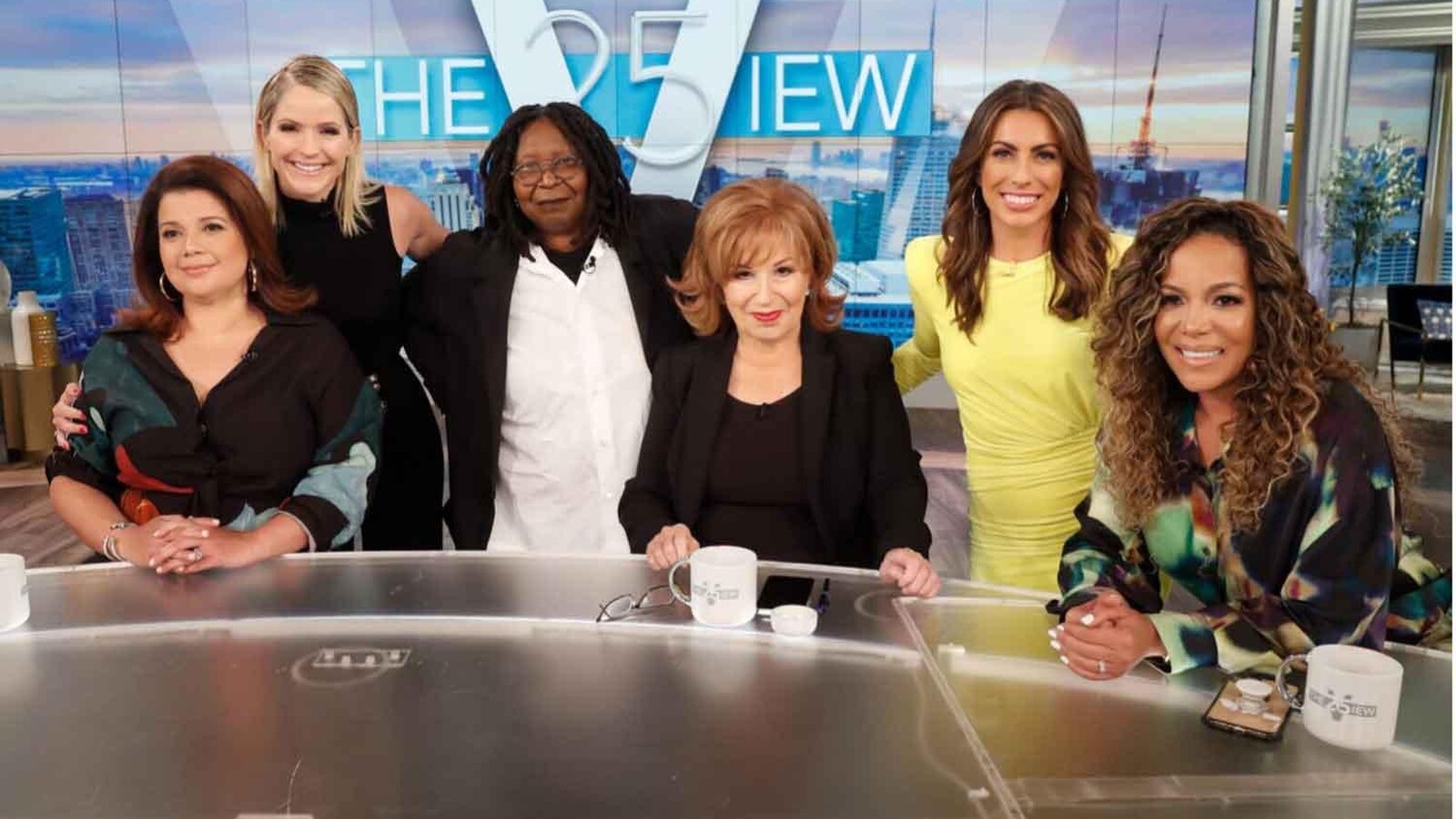
The View, while not directly named in the episode, became the unmistakable focus of the backlash. Viewers drew the connection instantly, and debates erupted over whether the line was fair criticism or reckless dismissal. Was Landman holding up a mirror to elite media culture—or was it simply mocking it?
What made the moment especially powerful was Thornton’s delivery. There was no dramatic buildup, no swelling music cue. The line was dropped flat, almost casually, as if it were self-evident. That tone—matter-of-fact, unapologetic—is what many viewers found most striking. It didn’t ask for approval. It didn’t soften the blow.
And that, perhaps, is why it resonated.
Taylor Sheridan has long built his reputation on telling stories that refuse to smooth out rough edges. From Yellowstone to Sicario, his work often places flawed characters in morally gray worlds and lets the audience wrestle with the consequences. In that context, the Landman moment fits a familiar pattern: provoke first, explain later—or not at all.
Industry insiders say the line was scripted, but the reaction suggests it didn’t matter. Scripted or not, it landed like a live wire. Within a day, entertainment outlets were dissecting it, political commentators were reframing it, and fans were debating whether Sheridan had just delivered one of the most culturally charged lines of the year.
Some media analysts argue that the outrage itself proves the line’s point. “If a single sentence in a TV drama can cause this much uproar,” one columnist wrote, “maybe the discomfort is the message.”
Others warn that moments like this blur the line between art and agenda. When shows tap into real-world grievances, they risk becoming ammunition rather than reflection. Whether Landman intended to spark a national argument or simply tell an authentic story, the result is the same: viewers are no longer just watching—they’re taking sides.
Billy Bob Thornton, for his part, has remained silent. No clarification. No apology. No walk-back. That silence has only fueled speculation, with fans interpreting it as quiet confidence and critics seeing it as avoidance.

Meanwhile, ratings for Landman have surged. Clips are still circulating. And the line—short, sharp, and impossible to ignore—has taken on a life of its own.
In an era where entertainment often strives to offend no one, Landman did the opposite. It poked a nerve and left it exposed. Whether viewers see that as courageous storytelling or reckless provocation depends entirely on where they stand.
What’s undeniable is this: one sentence turned a TV show into a cultural event. And long after the episode ends, the argument it sparked is still raging.