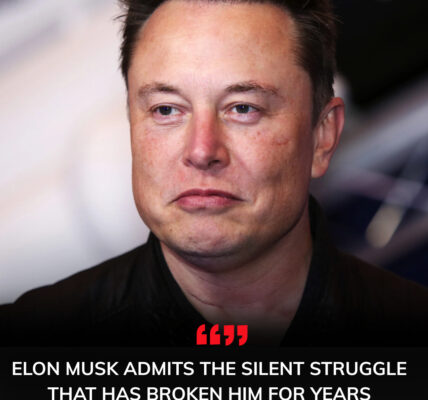

On December 21, 2025, Elon Musk officially became the first person in the world to surpass the $700 billion net worth milestone, with Forbes estimating his fortune at approximately $749 billion. This historic achievement reflects not only the staggering growth of his companies but also the immense investor confidence in the future of technology. Just a week prior, Musk’s net worth had crossed the $600 billion mark, highlighting the unprecedented speed at which his wealth has grown.
This milestone is part of a larger narrative: the rapid ascent of tech billionaires who have transformed industries ranging from social media and e-commerce to artificial intelligence, autonomous vehicles, and space exploration. Musk himself is widely predicted to potentially reach $1 trillion in personal wealth within the next few years. In November 2025, Tesla approved a separate compensation package for Musk valued at up to $1 trillion, recognizing his vision in turning Tesla from an electric vehicle manufacturer into a leading AI and robotics powerhouse.


A key driver behind Musk’s recent wealth surge was a ruling by the Delaware Supreme Court, which restored his stock-based compensation package valued at roughly $139 billion—up from $56 billion in 2018. This package allows Musk to purchase 304 million Tesla shares at a discounted price upon hitting specific revenue milestones, further consolidating his control over the company.
Globally, Musk now sits atop a growing cohort of ultra-wealthy tech leaders. At least ten individuals are reported to have fortunes exceeding $200 billion, mostly from the United States. For comparison, Mark Zuckerberg (Meta) holds around $210 billion, while Sergey Brin (Google) has about $248 billion. A decade ago, Bill Gates was the only person to surpass $100 billion, largely thanks to Microsoft, underscoring how technology has become the primary engine of unprecedented wealth creation.
Even beyond the U.S., billionaires have seen their fortunes expand thanks to tech-driven growth. In Vietnam, Pham Nhat Vuong, founder of Vingroup, saw his net worth rise to $26.5 billion as of December 21, 2025, according to Forbes, ranking him 85th globally. Part of this growth comes from tech-oriented ventures like VinFast’s electric vehicle production, though it remains smaller in scale compared to American tech giants.
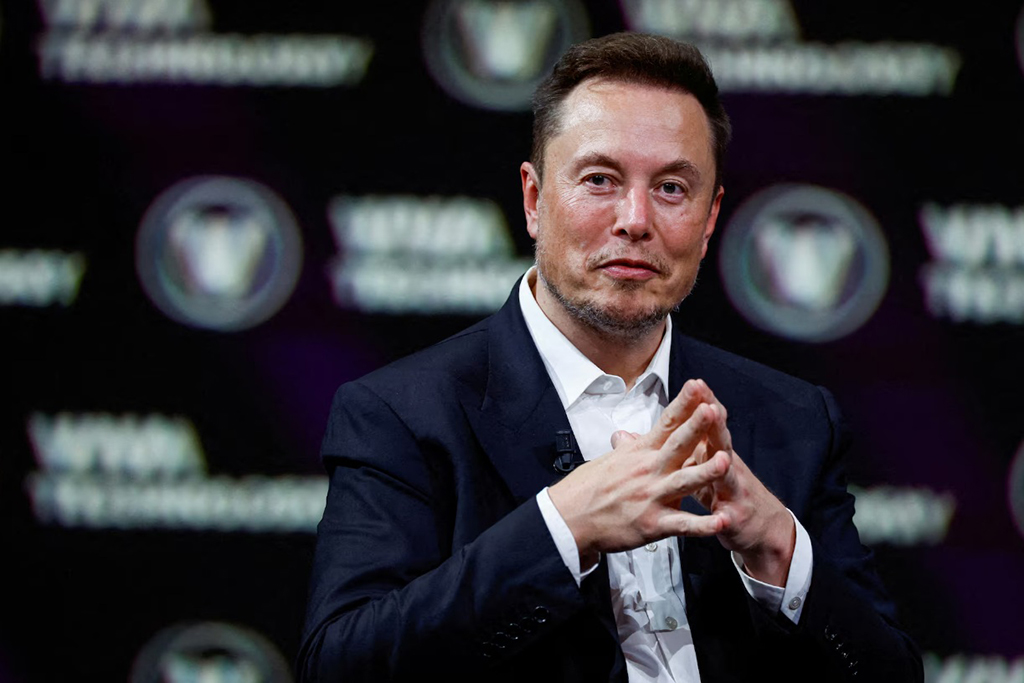
The surge in tech wealth, particularly Musk’s, is emblematic of a pivotal moment in global technology, especially with the rise of artificial intelligence (AI). Experts suggest that the period between 2025 and 2030 will mark a turning point where AI becomes deeply integrated into every sector, from healthcare to transportation, generating enormous economic value. Morgan Stanley predicts that 2026 will be a tipping point for autonomous technology, with ventures like Tesla’s Cybercab robotaxi potentially generating hundreds of billions in revenue, gradually replacing the traditional vehicle sales model.
Elon Musk is also known for his profound public statements about the future. He has said: “With AI, we will have an unprecedentedly rich economy, where humans no longer need to perform menial work and can focus on creativity.” Looking ahead, Musk envisions a decade where robots perform manual labor, spaceships carry humans to Mars, and AI solves global energy challenges. Yet, he also warns of potential risks: “AI could lead to mass unemployment if we don’t implement a global basic income.” These visions not only inspire but also drive substantial investment into his ventures like Tesla and SpaceX.
The extraordinary rise of American tech billionaires such as Musk, Larry Page, and Jeff Bezos is supported by an ecosystem of innovation, startup-friendly policies, and venture capital investment. They lead waves of AI, cloud computing, and space technology, reshaping industries and economies. Meanwhile, Chinese tech billionaires like Pony Ma (Tencent) and Colin Huang (Pinduoduo) have also seen rapid wealth growth, with 2025 assets increasing 20–30% due to AI integration into e-commerce platforms. However, stricter regulations in China slow the pace compared to the U.S.
The broader takeaway is clear: the explosive growth in tech wealth reflects a world undergoing profound transformation. Technology is not merely a source of personal fortune—it is reshaping society, the economy, and the way humans interact with the world. Elon Musk, as the first individual to cross the $700 billion mark, symbolizes both the unprecedented wealth creation of the tech era and the transformative power of innovation.
With Musk at the forefront, the story of tech billionaires is more than just numbers—it’s a narrative of vision, risk-taking, and societal impact. From AI-driven vehicles and autonomous systems to space exploration and renewable energy, the wealth accumulated by these leaders is tightly linked to technologies that define humanity’s future. In the coming years, as AI continues to revolutionize every sector, the fortunes of tech pioneers like Musk will likely grow even further, while their innovations shape the global economy.
In short, Elon Musk’s ascent to over $700 billion is not just a milestone in personal wealth—it’s a reflection of a world transformed by technology, where vision, innovation, and risk-taking can rewrite the rules of both business and society. For the rest of the world, it’s a glimpse into the extraordinary potential of technology to generate wealth, create opportunities, and define the next era of human progress.
https://www.youtube.com/watch/JyDpDYVoJ8c