
Elon Musk has once again placed himself at the center of a global debate, this time after sharing an AI-generated image depicting UK Labour leader and Prime Minister Keir Starmer in a bikini. The image, created using artificial intelligence, spread rapidly across social media platforms and immediately triggered criticism, praise, and renewed scrutiny of Musk’s views on free speech, censorship, and the responsibilities of AI developers.
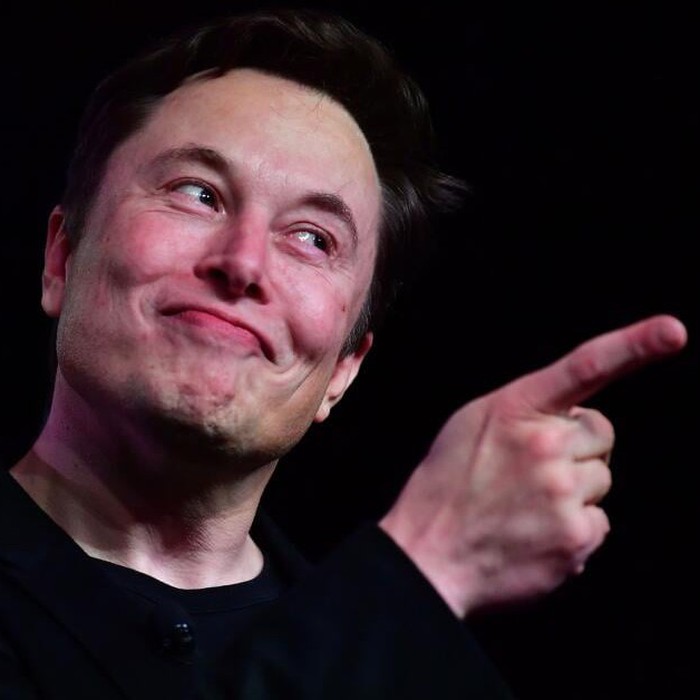
The incident comes amid an ongoing dispute surrounding Musk’s AI chatbot, Grok, developed by his company xAI. Critics have accused the chatbot—and by extension its creator—of inconsistent content moderation and a troubling approach to the generation of images involving real individuals. Supporters, however, argue that Musk is deliberately pushing boundaries to expose what he sees as selective censorship and ideological bias within tech platforms and political institutions.
At the heart of the controversy is not just a single image, but a much larger question: where should the line be drawn between freedom of expression, satire, and the ethical use of artificial intelligence?
A Symbolic Act or a Provocation?
Musk has long framed himself as a defender of free speech, often portraying his actions as resistance against what he describes as “controlled narratives” enforced by governments, corporations, or media organizations. In this context, sharing an AI-generated image of a powerful political figure can be seen as a symbolic challenge—one intended to test how institutions react when the same tools used against private individuals are applied to those in authority.
Supporters of Musk argue that the image was meant to highlight hypocrisy. They point out that AI-generated satire and parody targeting public figures have existed for decades in various forms, from cartoons to digital manipulation. In their view, the backlash proves Musk’s argument: that censorship is often selectively enforced, protecting politicians while ordinary people are left exposed.
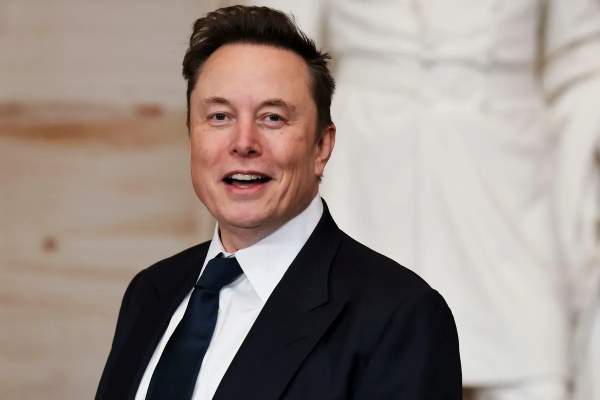
Critics strongly disagree. They argue that using AI to generate altered images of real individuals—especially without consent—sets a dangerous precedent, regardless of whether the subject is a public figure. They warn that normalizing such behavior risks eroding trust in digital content and accelerating the spread of misinformation and harassment.
The Grok Debate and Allegations of Censorship
The controversy is closely tied to broader criticism of Grok, Musk’s AI chatbot integrated into the platform X. While Musk has marketed Grok as a more “truth-seeking” and less “politically correct” alternative to other AI systems, it has faced repeated scrutiny for generating or allowing content that other platforms restrict.
Ironically, Grok has also been accused of censoring certain topics or individuals, prompting Musk to claim that external pressures—from regulators to app stores—are forcing AI companies to limit output. By sharing the image himself, Musk appeared to suggest that if AI tools are going to be constrained, the public deserves to see who benefits from those constraints and who does not.
This framing has resonated with Musk’s followers, many of whom admire what they see as his willingness to confront powerful institutions directly. “He’s not defined as a fighter,” some supporters say, “but you have to love the way he fights back.”
Ethics, Power, and Responsibility
Beyond political reactions, the incident has reignited serious ethical discussions within the tech community. AI experts emphasize that the power of generative technology lies not just in what it can create, but in how easily it can be misused. When AI images of real people circulate without clear labeling or consent, the potential for reputational harm increases significantly.
Public figures like Starmer may have legal teams and platforms to defend themselves, but critics note that similar tools are often used against private individuals—especially women—who lack the same protections. From this perspective, Musk’s actions risk normalizing behavior that can cause real-world harm when replicated at scale.
Musk has responded to similar criticism in the past by arguing that technology itself is neutral, and that responsibility lies with users, not creators. This philosophy, however, is increasingly challenged as AI systems become more powerful and accessible.
A Divided Public Reaction
Public reaction to the image has been deeply polarized. On one side are those who see Musk as exposing double standards and refusing to back down under pressure. On the other are those who view the incident as irresponsible, distracting, and damaging to serious conversations about AI governance.
In the UK, political commentators have expressed concern that such incidents trivialize public discourse and undermine trust in digital media. Meanwhile, Musk’s supporters across the globe continue to frame the backlash as proof that his critics fear losing control over information.
What This Means Going Forward
The controversy is unlikely to fade quickly. As governments worldwide move toward stricter AI regulation, incidents like this may accelerate calls for clearer rules on consent, political content, and the treatment of real individuals in AI-generated media.

For Musk, the episode reinforces his reputation as one of the most unpredictable and influential figures in technology. Whether viewed as a principled defender of free speech or a provocateur pushing ethical boundaries, he continues to shape the conversation—often by forcing society to confront uncomfortable questions before it feels ready.
In the end, this incident is less about a single image and more about the future of AI, power, and accountability. As artificial intelligence becomes woven into everyday life, the actions of its most prominent champions will continue to spark debate over where freedom ends and responsibility begins.
One thing is certain: Elon Musk may not call himself a fighter—but once again, he has chosen to fight on his own terms, leaving the world to argue over the consequences.