
Elon Musk, CEO of electric vehicle giant Tesla and founder of SpaceX, is moving ever closer to becoming the first individual in history to amass a personal fortune of $800 billion, according to recent estimates. Driven by soaring valuations across his portfolio of companies—particularly in artificial intelligence and space technology—Musk’s wealth continues to break records at an unprecedented pace.
Earlier this month, Musk’s artificial intelligence company xAI Holdings successfully raised an additional $20 billion from private investors. The fundraising round pushed the company’s valuation to $250 billion, a dramatic increase from the $113 billion valuation Musk announced when xAI merged with the social media platform X in March 2025. This surge highlights the intense investor appetite for advanced AI firms and further cements Musk’s position at the center of the global AI race.
According to Forbes estimates on January 17, Musk owns approximately 49% of xAI Holdings, a stake now valued at $122 billion. This single asset has added a substantial boost to his personal wealth, bringing his total net worth to an estimated $780 billion, just shy of the historic $800 billion threshold.
xAI’s Rise and Investor Impact
The rapid rise in xAI’s valuation has also significantly benefited several high-profile investors. Saudi Arabian Prince Alwaleed Bin Talal Alsaud, who owns roughly 1.6% of xAI Holdings, now holds a stake valued at approximately $4 billion. Meanwhile, Twitter co-founder Jack Dorsey and Oracle co-founder Larry Ellison each own around 0.8% of the company, with their holdings estimated at $2.1 billion apiece.
Despite its soaring valuation, xAI is spending aggressively to remain competitive in the high-stakes artificial intelligence sector. Internal documents obtained by Bloomberg reveal that the company spent $7.8 billion in cash during the first nine months of 2024 alone. These expenditures underscore the enormous cost of developing large-scale AI models, including investments in data centers, advanced chips, and specialized talent.
A Year of Unprecedented Wealth Milestones
The past year has been nothing short of extraordinary for Musk’s net worth. In October 2025, he became the first person in history to surpass $500 billion in personal wealth. This milestone followed a sharp rally in Tesla’s stock price, which nearly doubled over a five-month period after Musk announced his decision to step away from the Government Efficiency Board (DOGE) to refocus his attention on Tesla.
Momentum continued into December. On December 15, Musk crossed the $600 billion mark after private investors valued SpaceX at $800 billion, nearly double its valuation from August 2025. SpaceX’s expanding role in satellite internet, commercial launches, and government space contracts has made it one of the most valuable private companies in the world.
Just four days later, Musk’s net worth surged past $700 billion following a pivotal legal decision. The Delaware Supreme Court overturned a lower court ruling, allowing Musk to receive a long-contested Tesla compensation package worth over $100 billion in stock options. The ruling removed a major source of uncertainty surrounding Musk’s long-term stake in Tesla.
SpaceX Now Musk’s Most Valuable Asset
Although Tesla remains one of Musk’s most visible companies, it is no longer his most valuable asset. Musk owns approximately 42% of SpaceX, a stake currently valued at around $336 billion, making it the single largest contributor to his wealth.
Tesla, however, still represents a massive portion of his fortune. Musk directly owns about 12% of Tesla’s outstanding shares, and when combined with stock options, his total Tesla-related wealth is estimated at $307 billion. This figure does not yet include Tesla’s record-breaking compensation package approved in November 2025, which could potentially grant Musk additional shares worth up to $1 trillion if all performance targets are met.
A Wealth Gap Unlike Any Other
Musk’s dominance at the top of the global wealth rankings has created a gap never before seen in modern financial history. His estimated net worth exceeds that of the world’s second-richest individual, Google co-founder Larry Page, by approximately $510 billion. Forbes currently values Page’s fortune at around $270 billion.
The scale of this gap highlights how Musk’s diversified control over transformative industries—electric vehicles, space exploration, artificial intelligence, and social media—has compounded his wealth faster than any traditional business empire.
Previously, only one person had ever briefly reached the $400 billion mark: Oracle co-founder Larry Ellison. However, Ellison did not maintain that level for long and currently ranks as the fifth-richest person in the world, with an estimated net worth of $240 billion.
Broader Implications
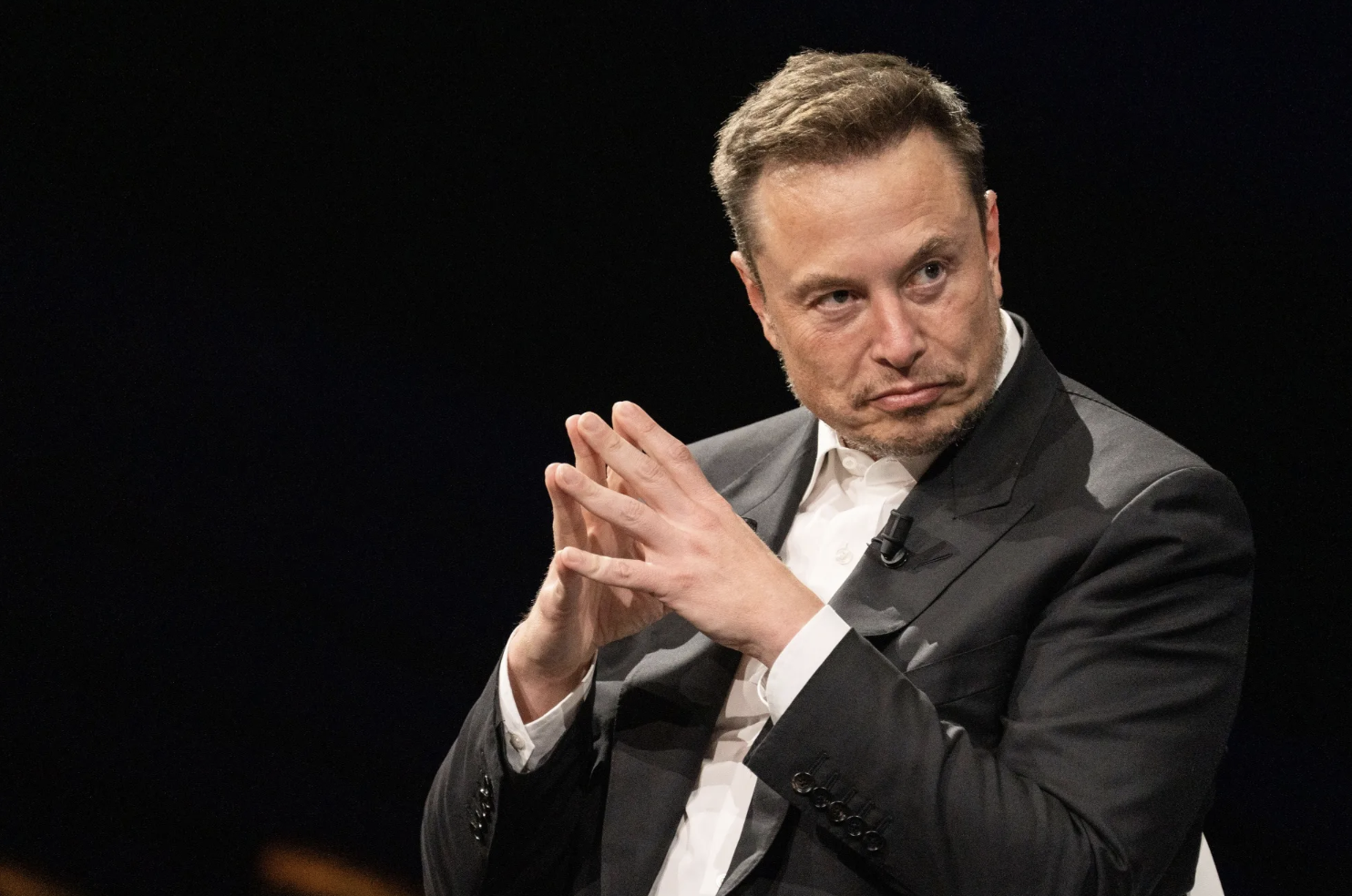
Musk’s ascent toward $800 billion is not just a personal milestone—it reflects broader trends shaping the global economy. Massive capital flows into AI, private space ventures, and technology-driven platforms are redefining how wealth is created and concentrated. Musk’s unique position as both a founder and majority stakeholder in multiple frontier industries gives him leverage few individuals have ever possessed.
At the same time, his wealth accumulation raises questions about corporate governance, economic inequality, and the influence of ultra-wealthy individuals on technology, politics, and society. Supporters argue that Musk’s fortune is a byproduct of innovation and risk-taking, while critics warn of excessive concentration of power.
Closing Thoughts
As Elon Musk’s net worth edges closer to $800 billion, the world is witnessing a financial phenomenon without precedent. Whether or not he ultimately crosses the threshold, Musk has already redefined what is possible in personal wealth accumulation in the modern era.
What comes next may depend not only on market performance, but on regulatory decisions, technological breakthroughs, and Musk’s own ability to continue shaping industries that are transforming the future of humanity.