
Elon Musk doesn’t believe in traditional schooling. In a world where SpaceX rockets redefine the limits of the atmosphere and Tesla vehicles reshape transportation infrastructure, education, in Musk’s eyes, is more than blackboards and diplomas. As the richest man on the planet, Musk not only invests in cutting-edge technology but also experiments with an unconventional educational model for his children—a hands-on, problem-solving approach rooted in engineering and physics.
“Be extremely careful about what traditional schools are teaching your kids,” Musk has repeatedly warned.
Educating 14 Children
As the father of 14 children, Musk has consistently expressed views that diverge sharply from conventional norms, reflecting the “systems engineering” mindset that has shaped his success. His approach to parenting is not only a family story but also an intriguing lens into his philosophy of human development in the technology era.
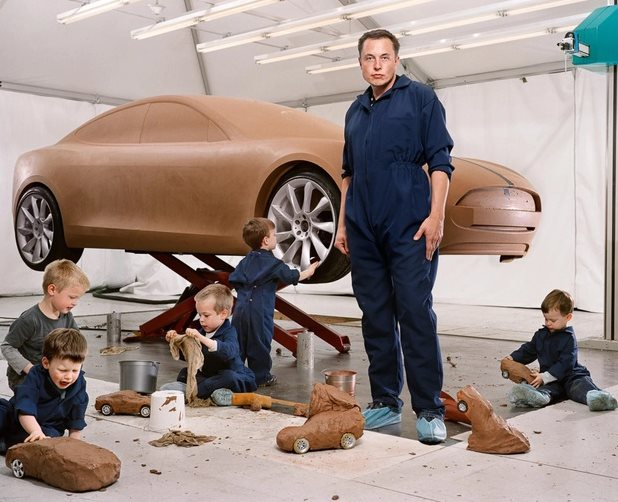
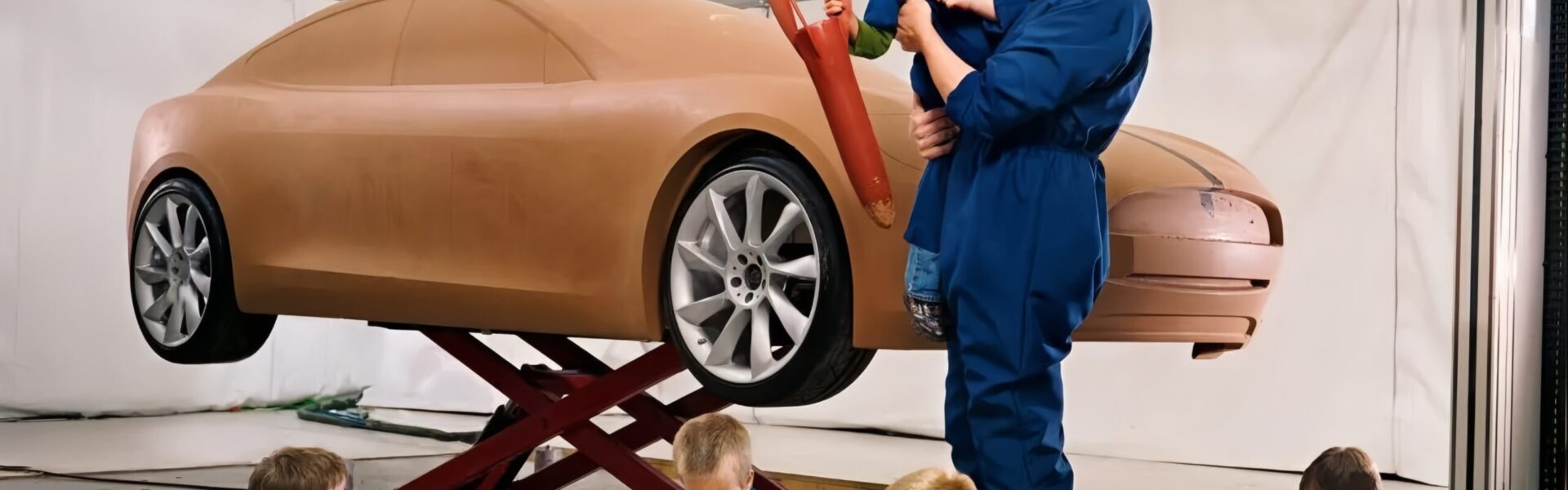
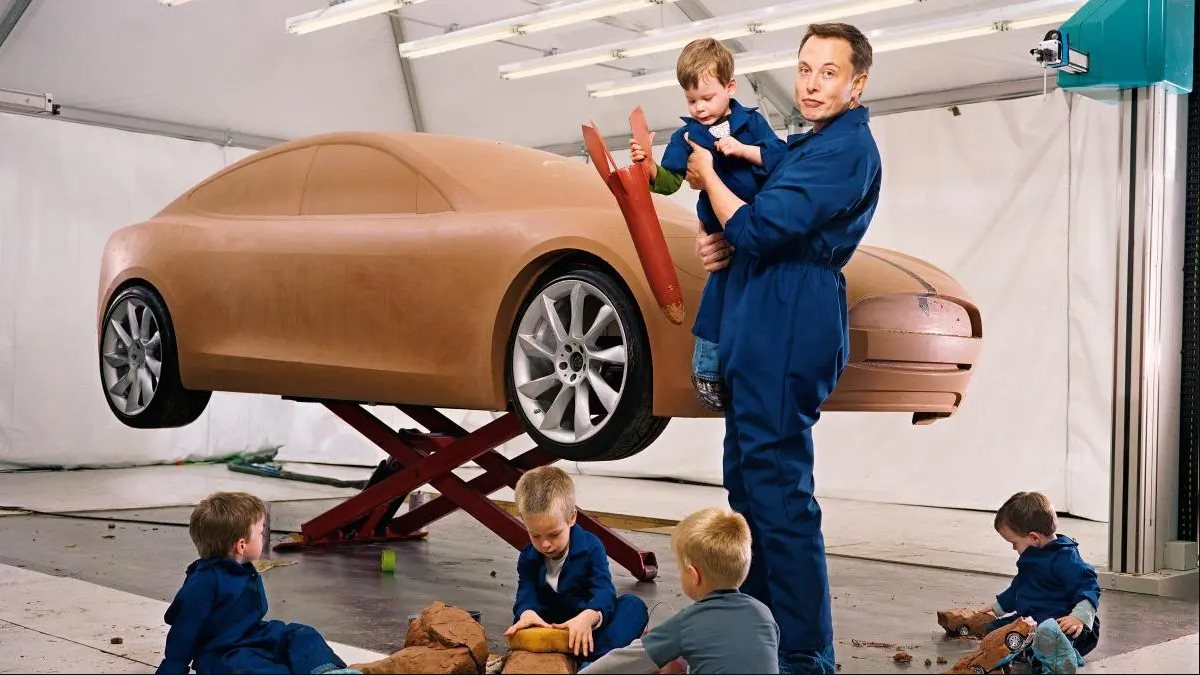
The core principle Musk applies to his children is prioritizing problem-solving over rote memorization of tools. In a rare public explanation, he compared traditional schooling to teaching a child about engines by forcing them to memorize every wrench or screwdriver for years. Instead, Musk prefers giving a child a broken engine and asking: “Take it apart.” As the child struggles, the need for a tool naturally arises. Learning how to use a screwdriver becomes meaningful because it solves a real-world problem.
“Teaching problem-solving, or how to confront challenges, is far more important than teaching how to use a tool,” Musk said in 2015 when explaining the educational philosophy behind the private school he founded for his children, Ad Astra.
This philosophy is realized through Ad Astra (later renamed Astra Nova), a highly exclusive private school founded by Musk. Here, traditional age divisions are eliminated. Children from ages 7 to 14 collaborate on “Conundrums”—complex ethical and technological scenarios—rather than following conventional subjects.
Musk’s children do not study foreign languages, as he believes AI will soon handle translation. Music and sports are not taught in the standard manner. Instead, core subjects include artificial intelligence, programming, and ethics, preparing students for what Musk calls “the age of intelligent machines.”
One of Musk’s most striking statements about parenting likens raising children to “18 years of prompt engineering”—the art of posing questions, guiding responses, and continuously adjusting to achieve optimal results.
“I just realized raising a child is basically 18 years of prompt engineering,” Musk joked in 2024.
Behind the technological analogy lies a fundamental view: children should not be programmed with rigid rules but guided to learn how to think for themselves. The emphasis is not on cramming knowledge but on developing critical thinking, problem-solving skills, and a willingness to fail—a philosophy that mirrors Musk’s approach to high-risk projects like SpaceX and Neuralink, where failure is an essential part of learning.
“Critical thinking should be the first thing we teach children,” Musk has concluded.
Skepticism Toward Traditional Education
Unlike many billionaires who send their children to elite schools, Musk has long expressed skepticism about traditional education. He believes schools often teach children “to pass tests” rather than “to understand” and cannot keep pace with the rapidly changing real world.
“You don’t need a university to learn everything. Knowledge is essentially free,” Musk has shared. On social media, he frequently cautions parents to carefully evaluate what schools are teaching their children, worrying that public education is outdated and overly focused on political or social doctrine rather than critical thinking.
Musk’s children are trained in First Principles Thinking—a method that breaks complex problems down into their most fundamental truths. He teaches them not to accept ideas simply because “that’s how it’s always been done.”
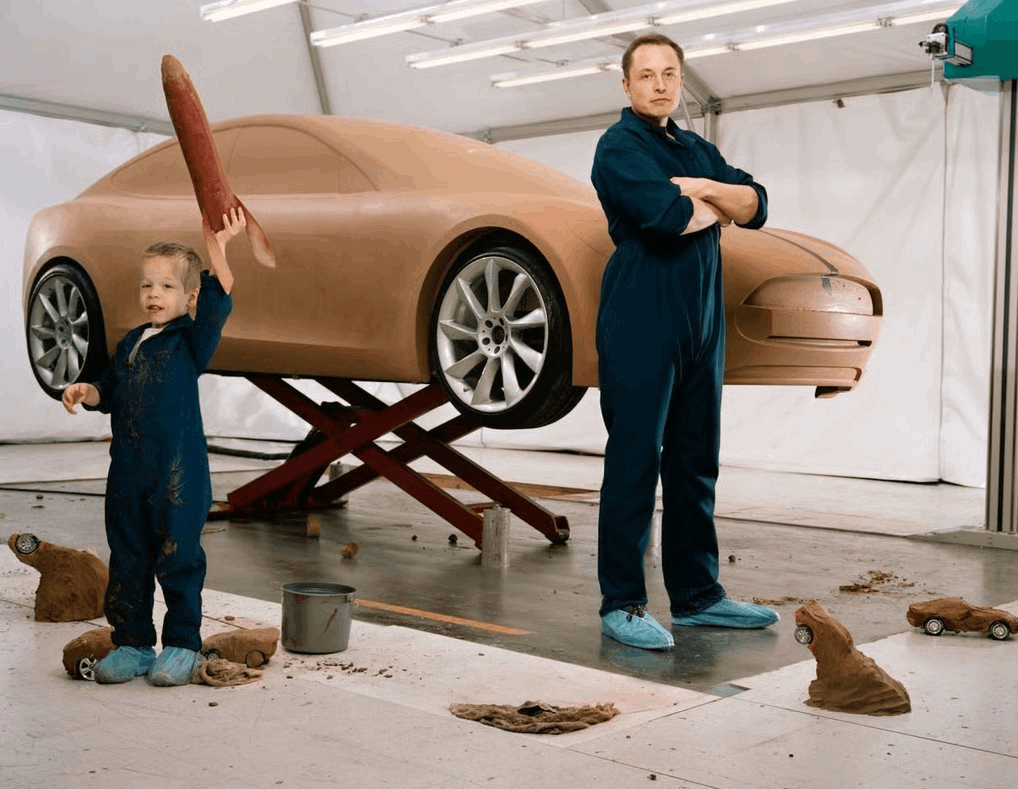
His son X Æ A-Xii has even participated in important SpaceX meetings and, on occasion, observed sessions at the White House, reflecting Musk’s belief that children should be exposed to real-world challenges as early as possible. For him, practical experience outweighs any curriculum.
This philosophy was further realized through Musk’s experimental school for his children and SpaceX employees’ children, focusing on science, engineering, logic, and problem-solving rather than standard curricula.
In Musk’s view, the internet is “the greatest university in the world,” where high-quality knowledge is virtually free. The role of parents and schools, he believes, is not to deliver all knowledge but to teach children how to learn independently, evaluate information critically, and take responsibility for their choices.
Independence and Resilience
Despite being the richest person on Earth, Musk rarely speaks of his children inheriting his fortune or becoming “mini-Elons.” Instead, he emphasizes that parenting is about raising happy, healthy children who live according to their own abilities rather than fulfilling parental expectations.
He also worries that excessive comfort might diminish his children’s drive. Musk has admitted that growing up in adversity shaped who he is today. As a result, he deliberately creates challenges for his children, from encouraging self-learning online to closely regulating recreational screen time.
This approach reflects the influence of his mother, Maye Musk, who emphasized independence and personal responsibility. Elon grew up in an environment that required self-reliance and early decision-making—experiences he hopes his children will also encounter, albeit in a controlled manner.
Controversy and Criticism
Musk’s approach is not without controversy. He acknowledges that his enormous workload limits the time he can personally spend with his children compared to an average parent. During their early years, he has said that primary caregiving was handled by the mother, with his involvement increasing as the children grew.
This raises a familiar question: can an educational philosophy that prioritizes critical thinking and independence compensate for the absence of constant parental presence? Musk seems to believe that quality guidance outweighs quantity of time, though the public and experts continue to debate this point.
Conclusion
Elon Musk’s parenting style reflects the man himself: rational, skeptical of outdated systems, and willing to experiment. It is neither easily generalizable nor a “success formula” for every family. Yet in a rapidly changing world, Musk’s philosophy poses a critical question for modern education: Are we teaching children to adapt to existing systems, or are we equipping them to design their own paths?