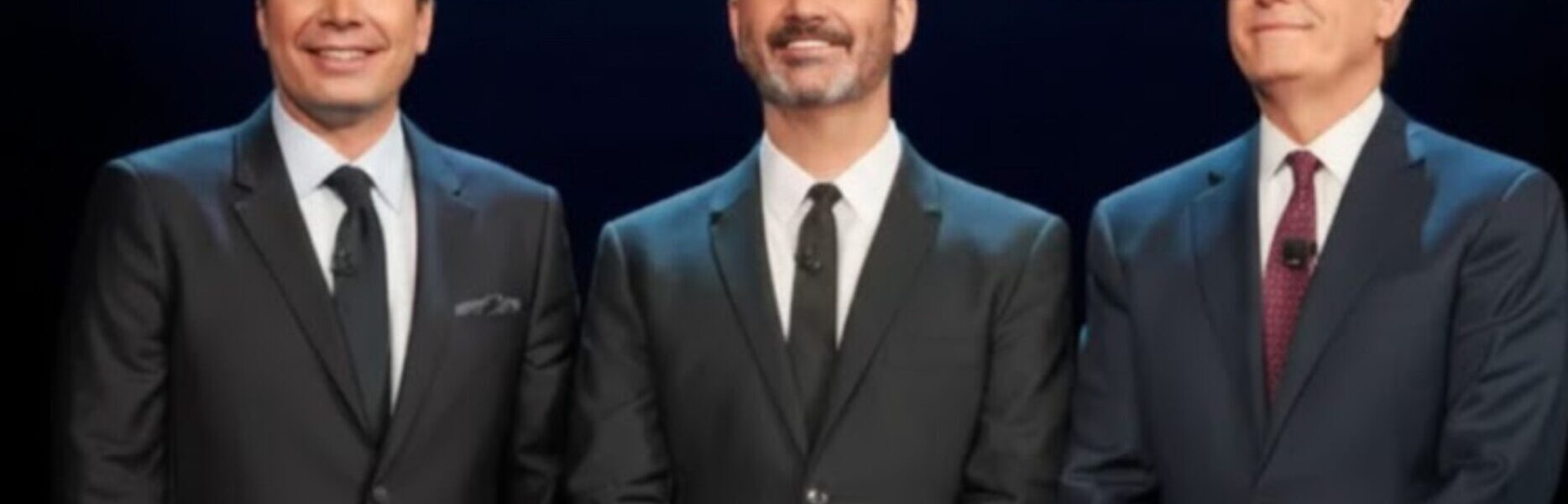
Rumors Swirl of Late-Night Hosts Colbert, Kimmel, and Fallon Teaming Up for ‘Freedom Show’ Amid Cancellation Speculation.

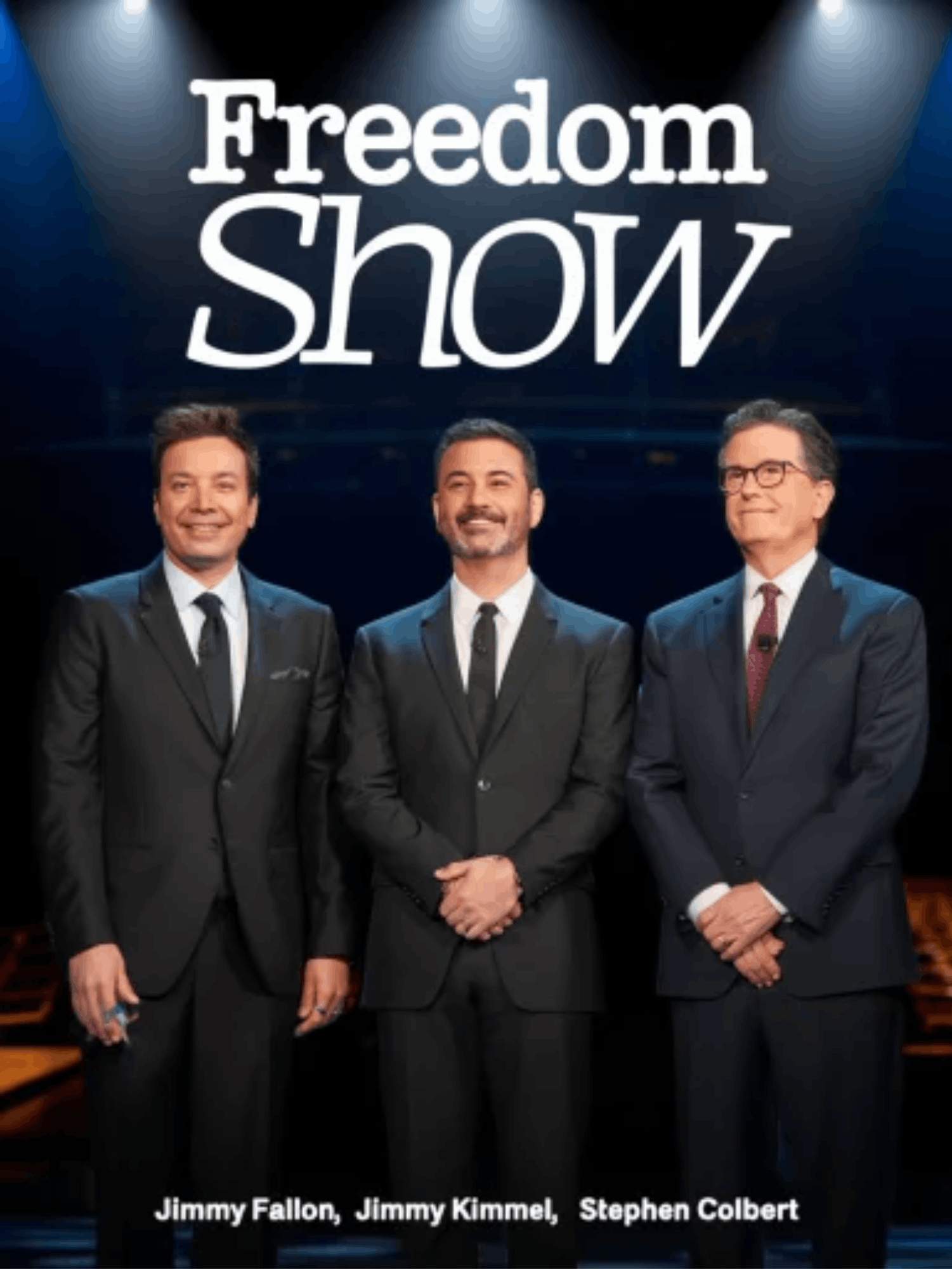
A viral rumor circulating on social media platforms suggests that late-night television icons Stephen Colbert, Jimmy Kimmel, and Jimmy Fallon are collaborating on a new program dubbed the “Freedom Show,” described as a groundbreaking blend of sharp satire and investigative journalism set to launch in 2026. The unverified claims, which first gained traction through Facebook posts and X threads, portray the project as a “revolution” rather than a replacement for their existing shows, promising to tackle controversial topics with unfiltered commentary. As of this writing, none of the hosts or their networks—CBS for Colbert, ABC for Kimmel, and NBC for Fallon—have confirmed the existence of such a venture, leading many to question if it’s a hoax, fan fiction, or a clever marketing ploy. With the current political climate and recent industry shake-ups, the rumor has sparked widespread debate about the future of late-night TV.
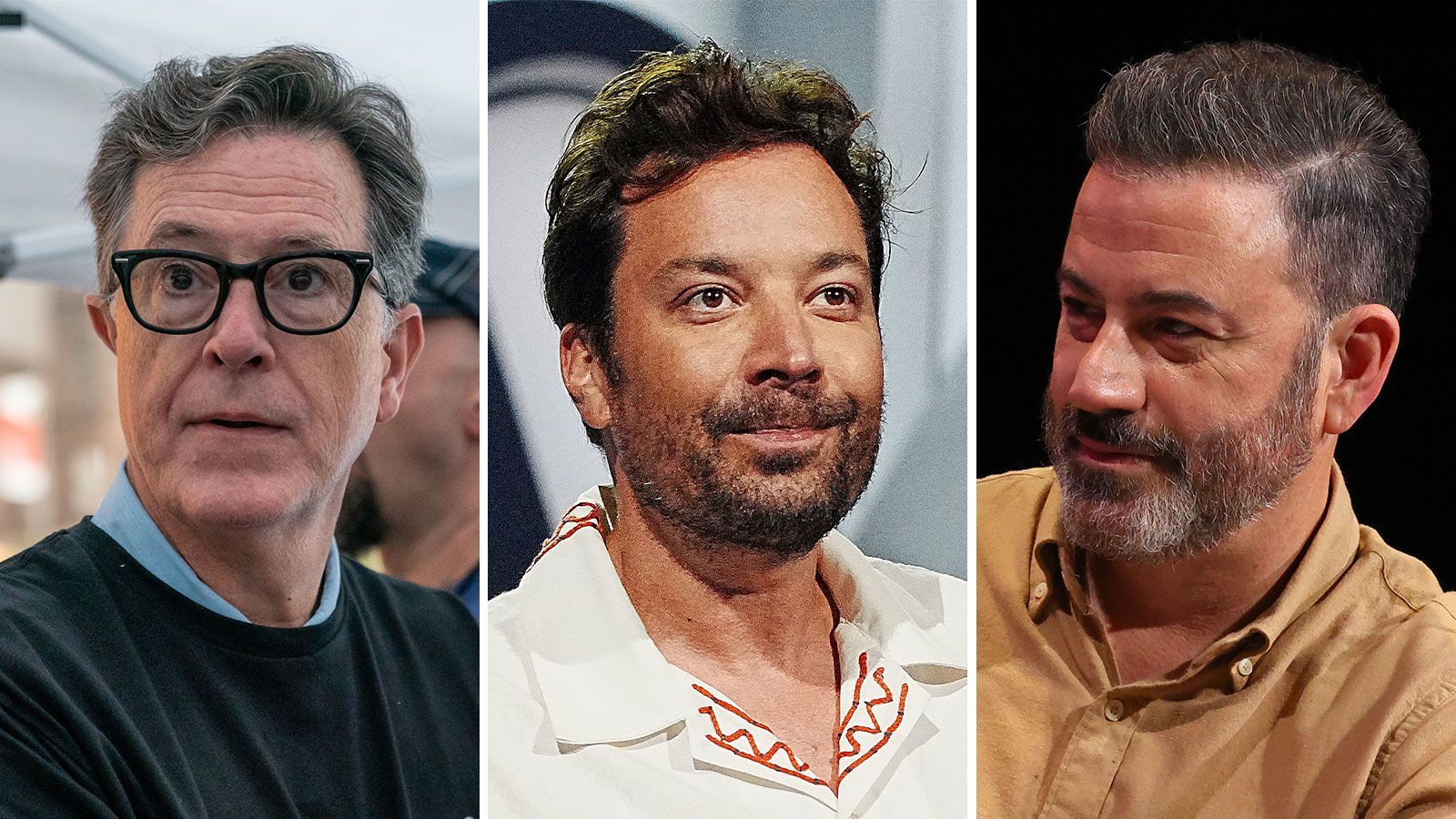
The speculation began surfacing in early January 2026, with posts in various Facebook groups and pages claiming “insiders confirm” the trio’s team-up. One widely shared entry from a group called “Movies quotes” read: “Late-night TV is about to detonate. Insiders confirm The Late Show with Stephen Colbert, Jimmy Kimmel Live!, and The Tonight Show Starring Jimmy Fallon are teaming up for a new ‘Freedom Show.’ This isn’t a replacement—it’s a revolution. Brutal satire. Real investigations. Why now? What are they exposing in 2026?” Similar language appeared in posts from accounts like “US Insight Journal,” linking to a now-defunct or inaccessible article on cebit-news.com. Attempts to access the linked content resulted in 404 errors, raising red flags about the rumor’s credibility. On X, hashtags like #FreedomShow and #LateNightRevolution trended briefly, with users sharing memes and theories, but no official announcements followed.
Late-night television has long been a staple of American culture, offering a mix of comedy, celebrity interviews, and political commentary. Colbert’s “The Late Show,” which took over from David Letterman in 2015, has averaged around 2.5 million viewers per episode in recent seasons, known for its biting monologues targeting political figures. Kimmel’s ABC show, on air since 2003, draws similar numbers with its Hollywood flair and emotional segments. Fallon’s “Tonight Show,” inherited from Jay Leno in 2014, leans into musical performances and games, pulling in about 1.5 million nightly. Together, they represent the Big Three of network late-night, but their ratings have dipped in the streaming era, competing with podcasts and online content.
The rumor’s timing is notable, coming amid real tensions in the industry. In September 2025, “Jimmy Kimmel Live!” faced a brief suspension following controversial jokes about former President Donald Trump, who had returned to office after the 2024 election. Trump publicly criticized Kimmel, calling him “unfunny” and suggesting networks pull the plug. Fellow hosts rallied in support: Colbert dedicated a segment to free speech, Fallon quipped about solidarity, and Seth Meyers joined the chorus. An NPR report from September 19, 2025, detailed the hosts’ warnings about censorship threats, with Colbert stating, “We are all Jimmy Kimmel tonight.” Jon Stewart, on “The Daily Show,” added, “If they come for one, they come for all.”
Further fueling speculation, unconfirmed reports from outlets like IMDb suggested CBS might cancel “The Late Show” in May 2026, citing declining viewership and corporate changes at Paramount Global, CBS’s parent company. A July 2025 Yahoo Entertainment article quoted Kimmel reacting to Elizabeth Warren’s comments on media mergers, hinting at broader industry pressures. Trump escalated in October 2025, threatening late-night shows in general, per another IMDb piece, saying Kimmel and Fallon could be next. A Quora discussion from 2023, updated in 2025, speculated on the landscape shifting as hosts like Kimmel potentially exit in 2026, leaving Fallon and Meyers as holdouts.
Against this backdrop, the “Freedom Show” rumor posits a defiant response: a collaborative platform where the hosts could “expose” political and corporate influences without network constraints. Described in posts as featuring “brutal satire” and “real investigations,” it evokes memories of past crossovers. In October 2025, Kimmel and Colbert swapped guest spots on each other’s shows, a fun stunt that boosted ratings but was far from revolutionary. Fallon joined similar events, like a 2025 rally for Kimmel post-suspension. An Instagram reel from September 2025 captured the solidarity, with clips from all three shows.
Industry experts are skeptical. “This sounds like wishful thinking or misinformation,” said media analyst Brian Stelter in a CNN segment on January 12, 2026. “These hosts are under contract with competing networks—CBS, ABC, NBC. A joint show would require unprecedented cooperation, especially amid merger talks at Paramount.” Contracts for Colbert and Kimmel run through 2026, per Variety reports, while Fallon’s NBC deal extends to 2028. Any collaboration would likely face legal hurdles, not to mention advertiser concerns over “brutal” content.
Social media’s role in amplifying the rumor highlights broader issues with online misinformation. Facebook groups like “Signs From Our Loved Ones” and pages like “Dazzling” reposted variations, some linking to dubious sites promising “shaking Hollywood to its core.” Comments ranged from enthusiastic—”Finally, real truth on TV!”—to dismissive: “Fake news, just like everything else.” One user joked, “They’re the Three Stooges of late-night—curly monologues incoming.” X searches for “Freedom Show” yielded similar echo chambers, with no endorsements from the hosts’ official accounts.

If the “Freedom Show” were real, what might it expose? Rumors speculate on political scandals, media bias, or industry secrets, tying into 2026’s midterm elections and ongoing debates over free speech. Trump’s administration has pushed for tougher media regulations, per 2025 reports, potentially pressuring networks. A collaborative show could serve as a platform for collective resistance, similar to how Stewart and Colbert hosted the “Rally to Restore Sanity” in 2010. But without confirmation, it’s pure conjecture.
Representatives for the shows declined comment when approached by Fox News. A CBS spokesperson said, “We don’t discuss rumors.” ABC and NBC echoed similar sentiments. Colbert, Kimmel, and Fallon have not addressed the claims on-air, though Kimmel’s January 12 monologue touched on “wild internet stories,” without specifics.
The rumor’s origins are murky, possibly stemming from satirical sites or AI-generated content, a growing concern in 2026. Cebit-news.com, cited in some posts, appears nonexistent or defunct, with searches leading to dead ends. This aligns with patterns seen in past hoaxes, like fabricated celebrity deaths or show cancellations.
Viewership for late-night has stabilized post-pandemic, with Colbert leading at 2.6 million average viewers in Q4 2025, per Nielsen. Kimmel follows at 2.2 million, Fallon at 1.7 million. Streaming clips on YouTube and TikTok drive younger audiences, where monologues rack up millions of views. A real collaboration could boost numbers, but risks alienating viewers in a polarized climate.

Critics argue late-night has become too partisan, with Colbert and Kimmel leaning left, Fallon more apolitical. A “Freedom Show” might exacerbate divisions or unify against common foes like censorship. As one Quora user noted, “If Kimmel ends in 2026, it could reshape everything.”
For now, the “Freedom Show” remains a tantalizing what-if. If it materializes, it could redefine late-night. If not, it’s another example of social media’s power to ignite unfounded hype. As the hosts continue their nightly broadcasts, viewers watch for any hints. In an era of fake news, distinguishing rumor from reality is the real revolution.