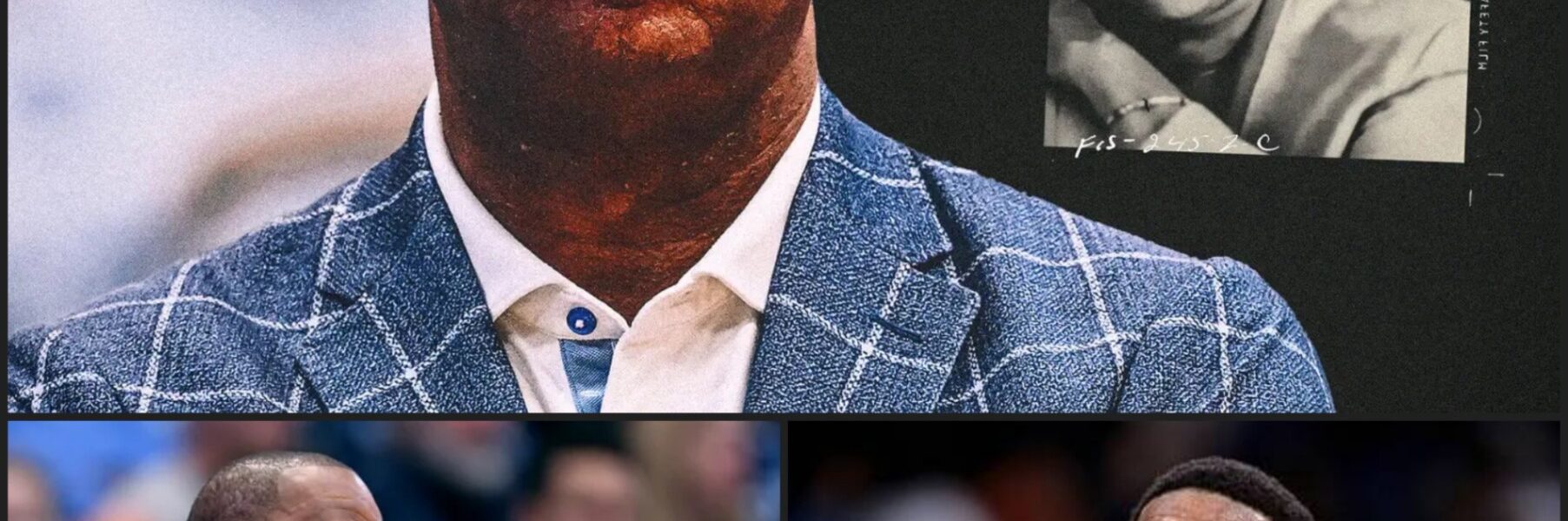
‘She Missed Everything’: How the Memory of His Mother Fuels Hubert Davis’s Legacy at UNC

‘She Missed Everything’: How the Memory of His Mother Fuels Hubert Davis’s Legacy at UNC
In the high-stakes world of NCAA Division I basketball, where statistics, brackets, and recruiting classes dominate the conversation, Hubert Davis stands out as a coach driven by something far deeper than a scoreboard. As the head coach of the North Carolina Tar Heels, Davis often returns to a poignant, heartbreaking phrase: “She missed everything.”
These three words refer to his mother, Bobbie Davis, who passed away from oral cancer when Hubert was only 16. This loss didn’t just shape his childhood; it became the bedrock of his coaching philosophy, his faith, and his identity as a leader.
The Loss of a Best Friend: A Tragedy at Sixteen
Before he was an NBA sharpshooter or a Hall of Fame-caliber coach, Hubert Davis was a teenager in Virginia dealing with an unimaginable void. Bobbie Davis wasn’t just a parent; she was Hubert’s “best friend” and his most vocal supporter.
When she passed away in 1986, the world lost a kind soul, but Hubert lost his North Star. At an age when most young athletes are looking to the stands for a mother’s nod of approval, Davis had to learn to find that approval within his own spirit and his faith. This early encounter with grief stripped away the superficiality of sports, leaving behind a man who understood the fragility of life.

“She Missed Everything”: The Bittersweet Milestones
For anyone who has lost a parent young, success is often a double-edged sword. Every peak reached is a reminder of the person who isn’t there to see the view. For Hubert Davis, the list of what his mother “missed” is staggering:
-
The Carolina Legacy: She never saw him wear the argyle jersey or become the most accurate three-point shooter in UNC history under Dean Smith.
-
The NBA Journey: She missed his 12-year professional career, spanning iconic franchises like the New York Knicks and Dallas Mavericks.
-
The Family Man: She never met his wife, Leslie, or saw her three grandchildren—Elijah, Bobbie Grace, and Micah—grow into young adults.
-
The Historic Promotion: She wasn’t there in 2021 when he was named the first Black head coach in the history of North Carolina basketball.
Despite her physical absence, Davis operates with the conviction that she hasn’t missed a thing from her “seat in heaven.”
Coaching Through the Lens of Empathy
Hubert Davis has redefined what it means to be a “tough” coach. In an era where many leaders rely on intimidation, Davis relies on vulnerability and connection. His coaching style is a direct tribute to the unconditional love he received from his mother.
The “Family First” Culture
At UNC, “Family” isn’t just a hashtag used for recruiting; it’s a lived reality. Davis frequently invites players to his home, treats his staff like brothers, and prioritizes the emotional well-being of his athletes over their field-goal percentages. Because he lost his mother so early, he understands that the time spent together is more valuable than any trophy.
Emotional Transparency in the Locker Room
Davis is famously unafraid to cry in front of his players. Whether it’s after a crushing loss or a historic win (like the 2022 Final Four victory over Duke), his tears are a sign of his deep investment. He coaches with his heart on his sleeve because he knows how much it means to have someone care for you deeply.
Perspective Under Pressure: Why Davis Doesn’t Flinch
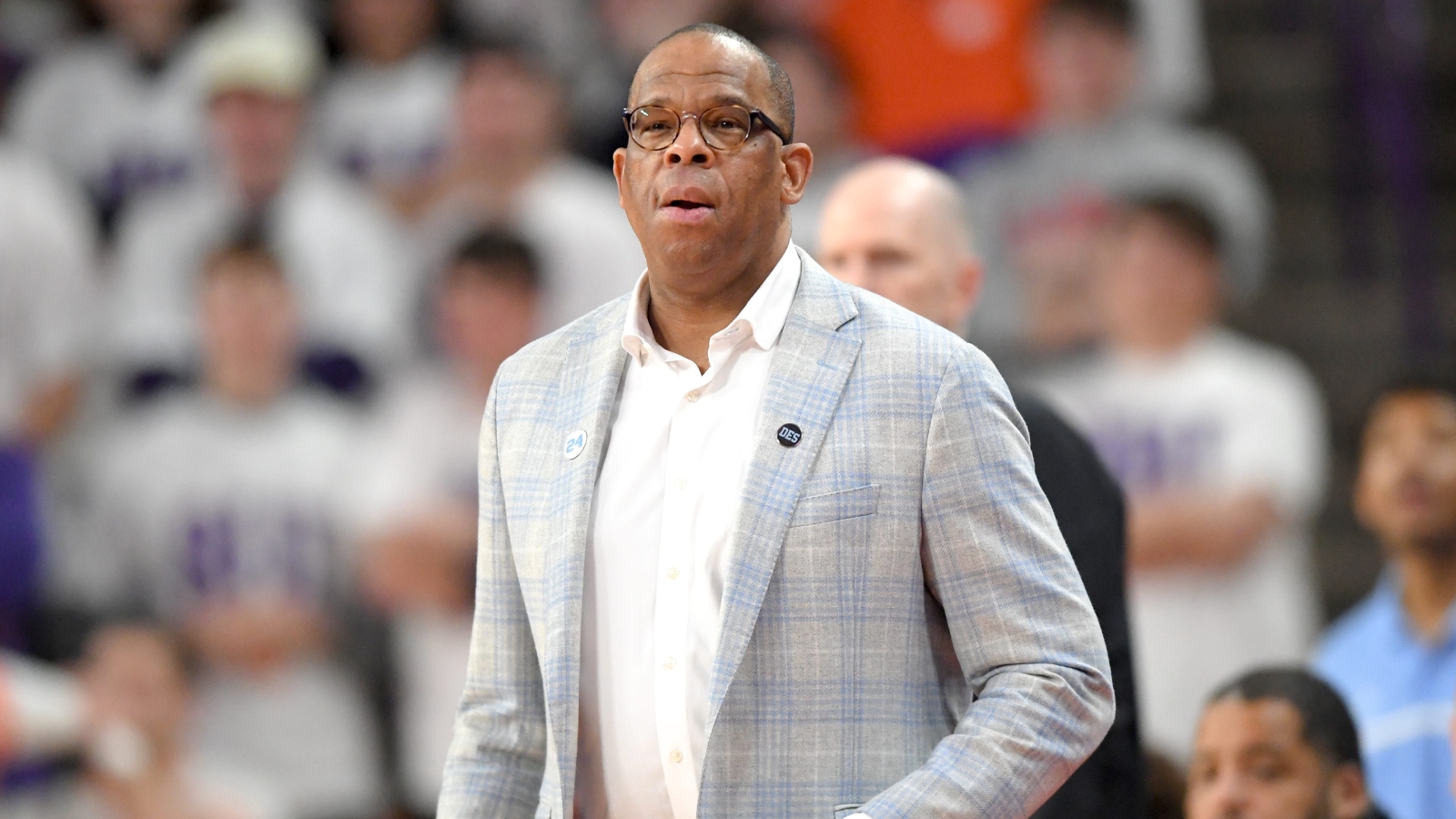
One of the most remarkable traits of Hubert Davis on the sidelines is his composure. While other coaches might lose their temper, Davis remains a calming force.
This poise comes from a place of profound perspective. When you have faced the death of your mother at 16, a double-digit deficit in the second half of a basketball game doesn’t feel like a catastrophe. This “big picture” mentality allows him to lead his team through adversity without panic, reminding his players that while the game is important, it does not define their worth as human beings.
Carrying the Torch: A Legacy Continued
Every time Hubert Davis walks onto the court at the Dean E. Smith Center, he carries Bobbie Davis with him. His career is a living testimony to a mother’s influence that refused to end at her death. He isn’t just coaching for wins; he is coaching to honor the woman who gave him his start.
“I wish she was here,” Davis once told reporters. “But I also feel like she has the best seat in the house.”
Conclusion: A Story Beyond Basketball
The story of Hubert Davis is a powerful reminder that our greatest pains can become our greatest purposes. He has taken the grief of “missing everything” and turned it into a mission to “give everything” to his players, his family, and the North Carolina community.
Whether the Tar Heels win or lose, Hubert Davis has already secured a legacy that transcends the game: a legacy of love, resilience, and a mother’s memory that continues to fuel greatness.