Stephen Colbert Erupts in Laughter as Trump’s “Masterplan” to Crush the Media Collapses in Real Time

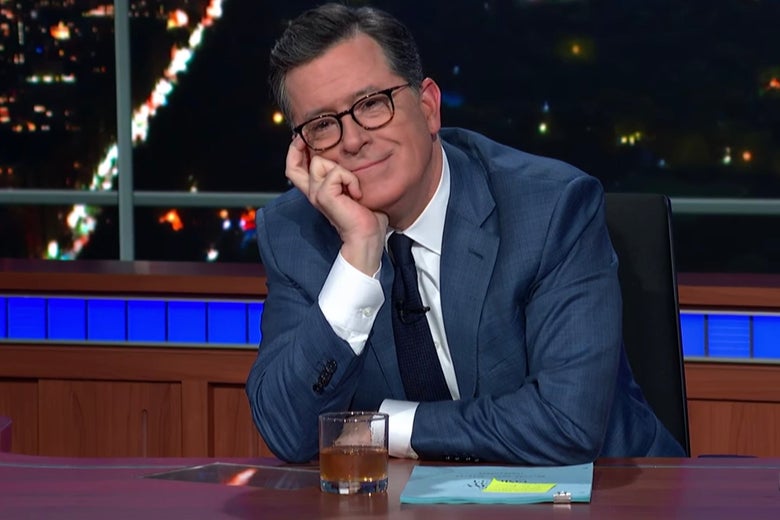
Stephen Colbert was barely able to keep himself upright as laughter ripped through the studio, when he unveiled what Donald Trump had branded his latest “brilliant” plan to finally silence America’s media. The Late Show host doubled over, clutching his desk, as he dismantled the former president’s latest threat — a proposal so wildly unconstitutional that legal experts say it wouldn’t survive five minutes in a real courtroom. Instead of striking fear into journalists, Trump’s declaration detonated across late-night TV as pure comedy gold.
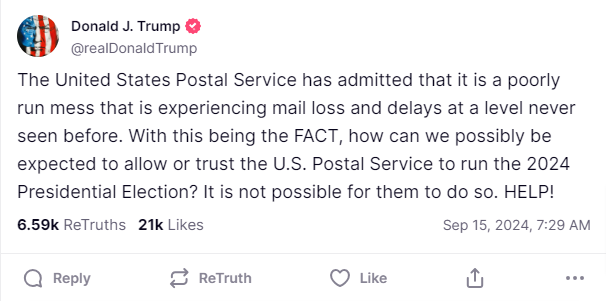
The controversy exploded in the early hours of Wednesday morning, when Donald Trump took to Truth Social to suggest that television networks should lose their broadcast licenses if they dared to air news or comedy that was “almost 100% negative” about him, MAGA, or the Republican Party. It was framed as a strongman move — a warning shot to networks he believes have mocked and undermined him for years. But by sunrise, it had already become the punchline of the day.
“If Network NEWSCASTS, and their Late Night Shows, are almost 100% Negative to President Donald J. Trump, MAGA, and the Republican Party, shouldn’t their very valuable Broadcast Licenses be terminated? I say, YES!” Trump declared, in a post that quickly went viral — and not for the reasons he might have hoped.
Colbert turns Trump’s threat into a comedy massacre
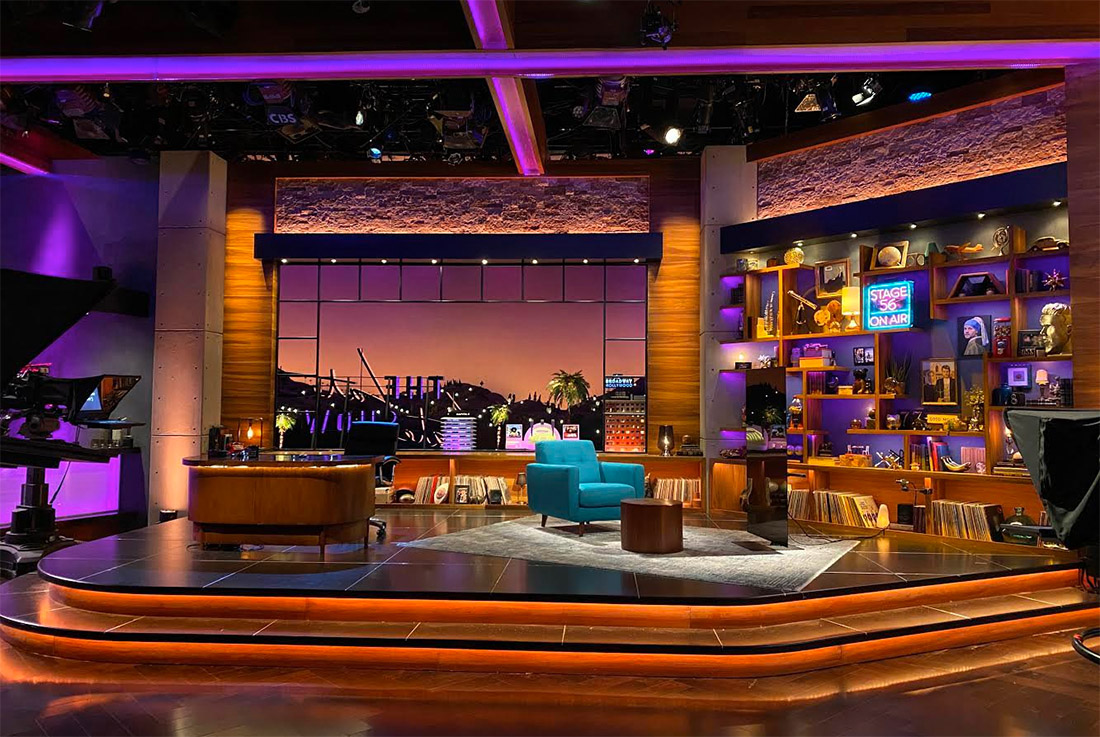
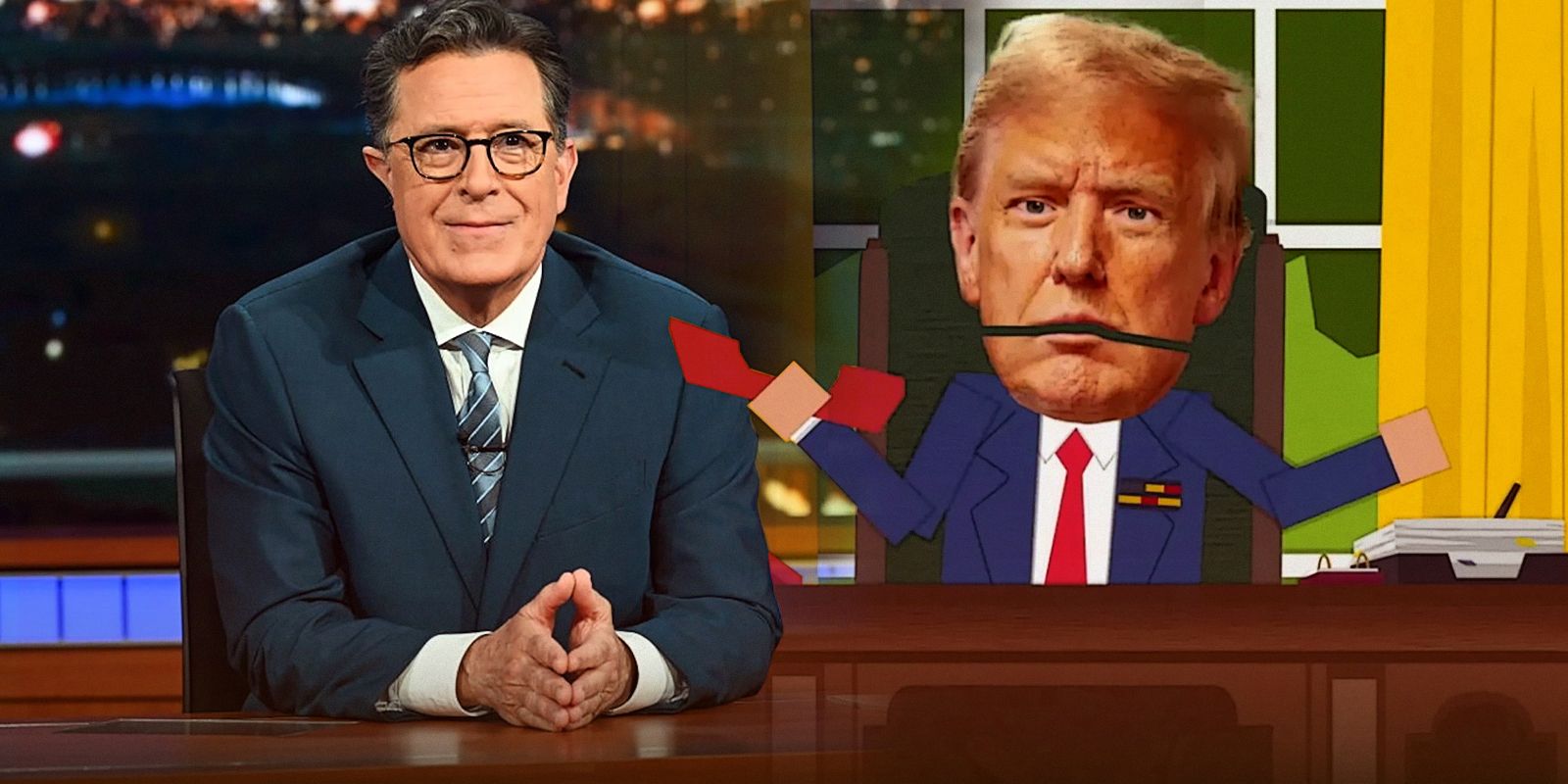
On The Late Show with Stephen Colbert, Stephen Colbert read Trump’s words aloud before completely losing control. He laughed so hard he struggled to finish the quote, pausing repeatedly as the studio audience erupted. What Trump framed as a power play, Colbert framed as a legal fantasy.
Colbert pointed out that broadcast licenses are not issued to networks as political rewards, nor can they be yanked because a president dislikes the tone of coverage. “That’s not how the Constitution works,” Colbert joked, barely catching his breath. “That’s not how any of this works.”
The host then reminded viewers that criticism of the president — even relentless criticism — is not only legal, but explicitly protected under the First Amendment. In other words, Trump’s idea wasn’t just controversial. It was dead on arrival.
A personal vendetta dressed up as policy
Trump’s post didn’t appear in a vacuum. It arrived minutes after he launched a personal attack on Colbert himself, branding the comedian a “pathetic trainwreck” with “no talent or anything else necessary for show business success.”
Referring to the widely reported end date for Colbert’s show in 2026, Trump went further, sneering that the host had been “terminated by CBS” and was now “running on hatred and fumes.” In one of his most shocking lines, Trump wrote that CBS should “put him to sleep” — a phrase that immediately drew condemnation for its violent imagery, even as critics noted Trump’s long history of weaponizing language against opponents.
Rather than shrinking back, Colbert leaned into the attack. On air, he framed Trump’s insults as proof that satire still hits a nerve. “When the jokes stop landing,” Colbert quipped, “you don’t try to cancel the Constitution.”
Trump lashes out at all of late-night TV
Colbert wasn’t the only target. In a follow-up post, Trump turned his fire on the entire late-night ecosystem, asking which network had the “worst” host: CBS, ABC, or NBC.
“They all have three things in common,” Trump fumed. “High Salaries, No Talent, REALLY LOW RATINGS!”
It was a familiar refrain. Trump has repeatedly expressed frustration with late-night comedians, who have skewered him nightly for nearly a decade. From Colbert to Jimmy Kimmel, the genre has become one of Trump’s most consistent critics — and one he seems unable to ignore.
The FCC reality check Trump didn’t want
The idea of revoking broadcast licenses isn’t new for Trump. He floated similar threats earlier this year, suggesting the power could lie with Brendan Carr, the current chairman of the Federal Communications Commission.
But here’s the problem: that power simply doesn’t exist.
The FCC does not license networks for their political tone. It issues eight-year licenses to individual broadcast stations, and even then, it is explicitly barred from censoring content. The agency’s own website makes it clear that broadcasters — not the government — choose what they air, and that the First Amendment and Communications Act prohibit the commission from interfering with editorial decisions.
During a recent Senate hearing, Carr himself acknowledged that the FCC cannot legally punish stations for criticism of elected officials. Any attempt to do so would immediately trigger court challenges — challenges experts say the government would lose instantly.
Legal experts laugh along with Colbert
Constitutional lawyers were quick to weigh in, many echoing Colbert’s on-air reaction. The consensus was brutal: Trump’s proposal wouldn’t just fail — it would be laughed out of court.
“The First Amendment was literally written to stop this exact behavior,” one legal analyst noted. “You cannot threaten press freedom because you don’t like the coverage.”
That legal reality is what made Colbert’s reaction resonate so widely. His laughter wasn’t just mockery. It was recognition that Trump’s threat exposed a fundamental misunderstanding — or disregard — for how American democracy works.
A stunt that backfired spectacularly
Instead of intimidating networks, Trump handed late-night television one of its easiest segments of the year. Clips of Colbert’s breakdown raced across social media, drawing millions of views. Memes flooded timelines, many highlighting the irony of a man who brands himself a free-speech absolutist proposing one of the most overtly censorial moves imaginable.
Even viewers who don’t normally tune into political comedy found themselves sharing the clip — not because it was partisan, but because the absurdity was impossible to ignore.
The bigger picture
Trump’s comments once again underscored his uneasy relationship with criticism, particularly when it comes wrapped in humor. Late-night hosts have long argued that satire thrives when power is sensitive, and Colbert’s laughter seemed to confirm that theory in real time.
As one former FCC official put it bluntly: “The only thing Trump successfully revoked here was his own credibility.”
For Colbert, the episode was a reminder of why satire still matters — and why attempts to silence it often achieve the opposite. Trump may have intended to scare the media into submission. Instead, he turned himself into the joke.
And judging by the sound of laughter echoing through Colbert’s studio, it’s a punchline America isn’t done enjoying yet.