

Two NATO intelligence agencies have raised concerns that Russia may be developing a new anti-satellite weapon aimed at Elon Musk’s Starlink satellite constellation. According to intelligence assessments cited by AP, the proposed system, referred to as a “zone-effect” weapon, would deploy hundreds of thousands of small metallic beads into low Earth orbit, potentially disabling multiple satellites simultaneously. However, experts warn that such an approach carries significant risks, not only for the intended targets but also for other space systems, including those belonging to Russia and China.
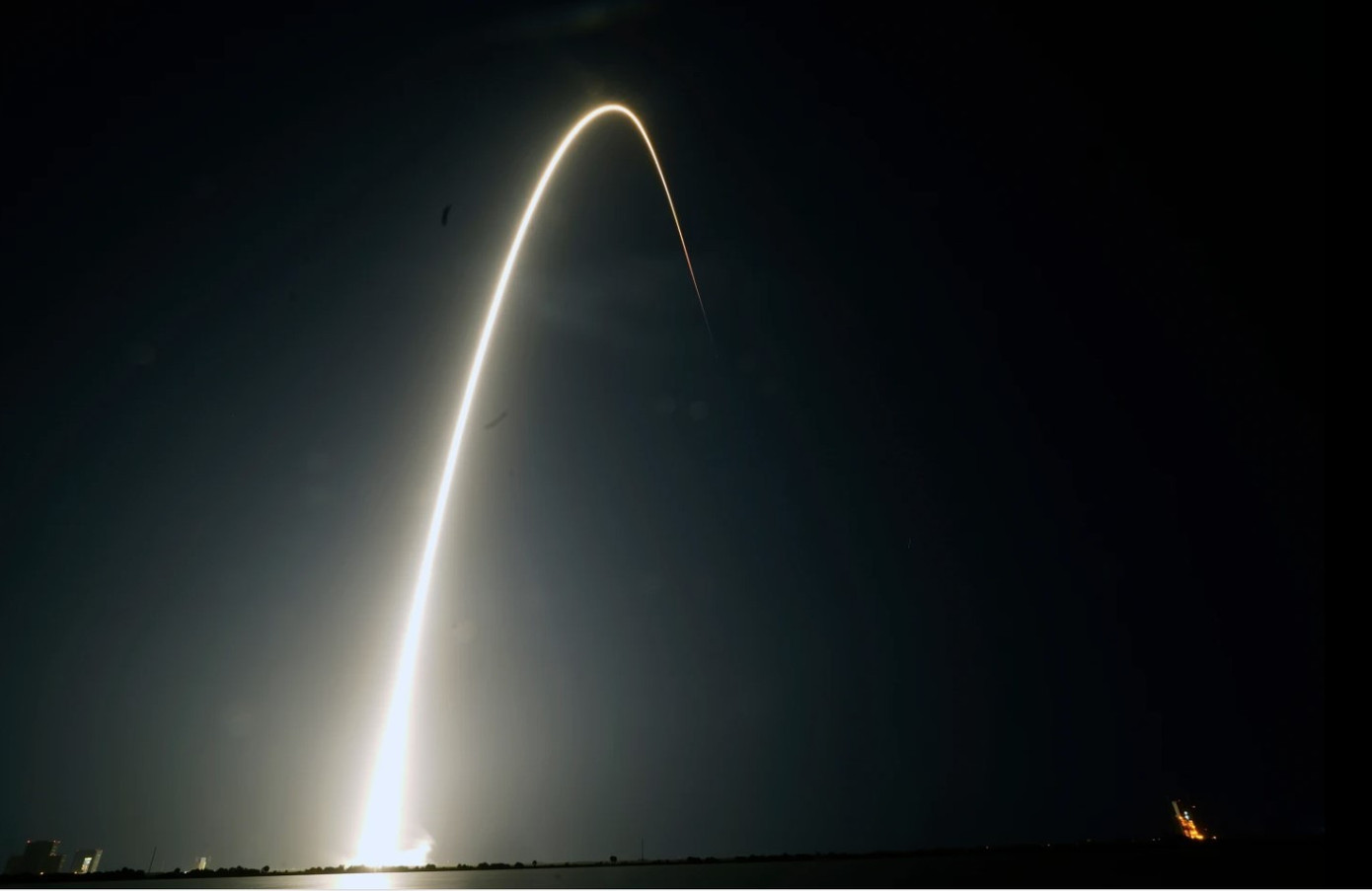
The “zone-effect” concept is designed to saturate the orbital lanes of Starlink satellites with a dense cloud of tiny projectiles. Each bead, only a few millimeters in diameter, would be launched from small satellite clusters, allowing the system to target numerous Starlink satellites at once. Unlike previous anti-satellite tests, such as Russia’s 2021 missile strike on a decommissioned Cold War-era satellite, this new approach could simultaneously affect multiple operational satellites without relying on large kinetic interceptors.
External analysts remain skeptical about the practicality of such a weapon. Many question whether the method could achieve its intended effects without creating a chaotic debris field in space, potentially impacting commercial and military satellites from other nations, including Russia itself, as well as China, both of which rely on thousands of satellites for communications, reconnaissance, navigation, and other essential functions.
“I don’t believe it. Honestly, I really wouldn’t be surprised if they didn’t do something like this,” said Victoria Samson, a space security expert at the Secure World Foundation. Samson emphasized the inherent danger in deploying a system that could generate unpredictable orbital debris, creating long-term hazards for all users of low Earth orbit.
The Kremlin has not commented on the reports. Dmitry Peskov, spokesperson for the Russian government, did not respond to requests for comment regarding the alleged development of the bead-based anti-satellite weapon.

Historically, Russia has voiced support for preventing the militarization of space through United Nations mechanisms. President Vladimir Putin has publicly stated that Moscow has no intention of deploying nuclear weapons in orbit. Nevertheless, Russia regards Starlink as a significant strategic threat. The thousands of Starlink satellites in low Earth orbit have been used extensively to support Ukraine in its conflict with Russia, providing high-speed internet for battlefield communications, target acquisition, civilian use, and governmental operations in regions where communications infrastructure has been disrupted.
SpaceX, the private aerospace company founded by Elon Musk, has declined to comment on the intelligence assessments or the alleged development of anti-Starlink weapons.
Russian officials have repeatedly warned that commercial satellites assisting the Ukrainian military could be considered legitimate targets. Earlier this month, Russia claimed to have deployed its S-500 air defense and missile defense system, which is reportedly capable of targeting objects in low Earth orbit. Unlike conventional missile-based anti-satellite systems, which destroy a single satellite per intercept, the proposed bead cloud could simultaneously threaten large numbers of Starlink satellites without detection from the ground, at least initially.
Experts caution, however, that even tiny beads can have catastrophic consequences if they collide with satellites at orbital speeds. Low Earth orbit objects typically travel at approximately 7.8 kilometers per second (28,000 km/h). At such velocities, even millimeter-sized debris can penetrate satellite shielding, damage critical systems, and create additional fragments, contributing to the growing space debris problem. In November, a collision with a small piece of orbital debris was sufficient to damage a Chinese spacecraft, preventing three astronauts from returning to Earth as scheduled. This incident highlights the dangers posed by even the smallest particles in orbit.

Clayton Swope, a space security and weapons expert at the Center for Strategic and International Studies (CSIS) in Washington, emphasized that the difficulty of tracking the small beads would compound the risks. “If these beads can’t be tracked from the ground, their behavior becomes unpredictable. It’s almost impossible to contain the consequences,” Swope said, warning of potential cascading collisions that could endanger other satellites and space operations.
The potential use of a bead-based anti-satellite weapon raises broader strategic and legal questions. International space law, including the Outer Space Treaty, restricts the placement of weapons of mass destruction in orbit, but kinetic and debris-generating systems occupy a gray area. Should such a system be deployed, it could trigger diplomatic backlash, legal disputes, and escalation of military tensions among spacefaring nations.
Satellite analysts note that the global proliferation of low Earth orbit constellations makes such tactics particularly risky. Starlink is not the only large-scale constellation; competitors such as OneWeb, Amazon’s Kuiper project, and various Chinese and European satellite networks could also be affected, creating widespread disruptions to commercial and civilian services. The creation of a dense debris field would pose a hazard for years, potentially restricting access to low Earth orbit and threatening all satellite operations, from communications and Earth observation to scientific missions.
Given these risks, many analysts believe that Russia is unlikely to implement the bead-cloud approach. The potential collateral damage to its own satellite assets, as well as those of allied nations, presents a strategic dilemma. Moreover, deploying such a system would almost certainly provoke international condemnation and could spur a new arms race in anti-satellite technologies.
Despite skepticism, intelligence agencies remain vigilant, monitoring satellite launches, orbital debris patterns, and emerging Russian technologies that could indicate preparation for anti-satellite operations. The situation underscores the growing vulnerability of commercial satellites in military conflicts and highlights the intersection of private enterprise and national security in space.
Starlink’s role in the Ukraine conflict has made it a symbol of the dual-use nature of commercial space assets. Beyond providing civilian internet access, the constellation has been used to coordinate military operations, relay battlefield intelligence, and support government communications in conflict zones. This dual-use capability makes Starlink a high-value target, illustrating how private companies can become entangled in geopolitical disputes.
As space becomes increasingly congested and contested, the development of unconventional anti-satellite technologies, such as the proposed bead cloud, reflects the evolving nature of modern warfare. Experts stress that while such concepts may remain theoretical, the potential consequences—ranging from satellite losses to orbital debris cascading—demand careful consideration by policymakers, space agencies, and private companies alike.
For Elon Musk and SpaceX, the alleged threat serves as a reminder of the geopolitical risks inherent in operating a global satellite network. While Starlink offers unprecedented connectivity and strategic value, its growing importance in military and governmental applications also makes it a potential focal point in international conflict, highlighting the complex relationship between private innovation and state security interests in space.
Whether the “bead rain” threat remains a hypothetical scenario or evolves into a practical capability, it underscores a broader truth: in the era of commercial mega-constellations, no satellite network operates in isolation. Vulnerabilities in space can have cascading effects on global communications, defense, and the broader infrastructure that underpins modern life.