The Minnesota Audit: Why the DoJ’s Urgent Demand for Same-Day “Vouching” Records is Triggering a National Election Integrity Showdown

The landscape of American election integrity is currently facing one of its most significant challenges as the United States Department of Justice and federal investigators turn their full attention toward Minnesota. What began as a localized concern over administrative procedures has rapidly spiraled into a high-stakes constitutional confrontation that threatens to reshape the way votes are verified across the country.
At the heart of this storm is the state’s controversial same-day voter registration and “vouching” system, a practice that has long been a point of pride for Minnesota officials but is now under intense federal scrutiny. The Assistant Attorney General has officially moved to audit these records, signaling a deep-seated suspicion that the state’s practices may be fundamentally incompatible with federal law.
The mechanism in question is relatively straightforward in its execution but complex in its implications for security and transparency during the voting process. Under current Minnesota state law, any registered voter is permitted to vouch for the residency of up to eight individuals who are seeking to register on the same day they cast their ballots.
This allows individuals who lack the standard required documentation, such as a driver’s license or a utility bill with their current address, to simply have a neighbor or acquaintance swear under oath that they live in the precinct. While proponents argue this increases accessibility, critics point out that it creates a massive window for potential exploitation that is nearly impossible to track after the fact.
The concerns grow even deeper when examining the rules for residential facilities, where the limits on vouching are essentially non-existent for staff members. In these environments, an employee can vouch for an unlimited number of residents, effectively becoming the sole gatekeeper for the eligibility of dozens or even hundreds of voters within a single building.
This specific provision has raised red flags among election integrity advocates who worry about the potential for coercion or the fabrication of residency in high-density housing or care facilities. The lack of a digital paper trail for these registrations makes the post-election audit process a logistical nightmare for those trying to ensure that every vote was cast legally.
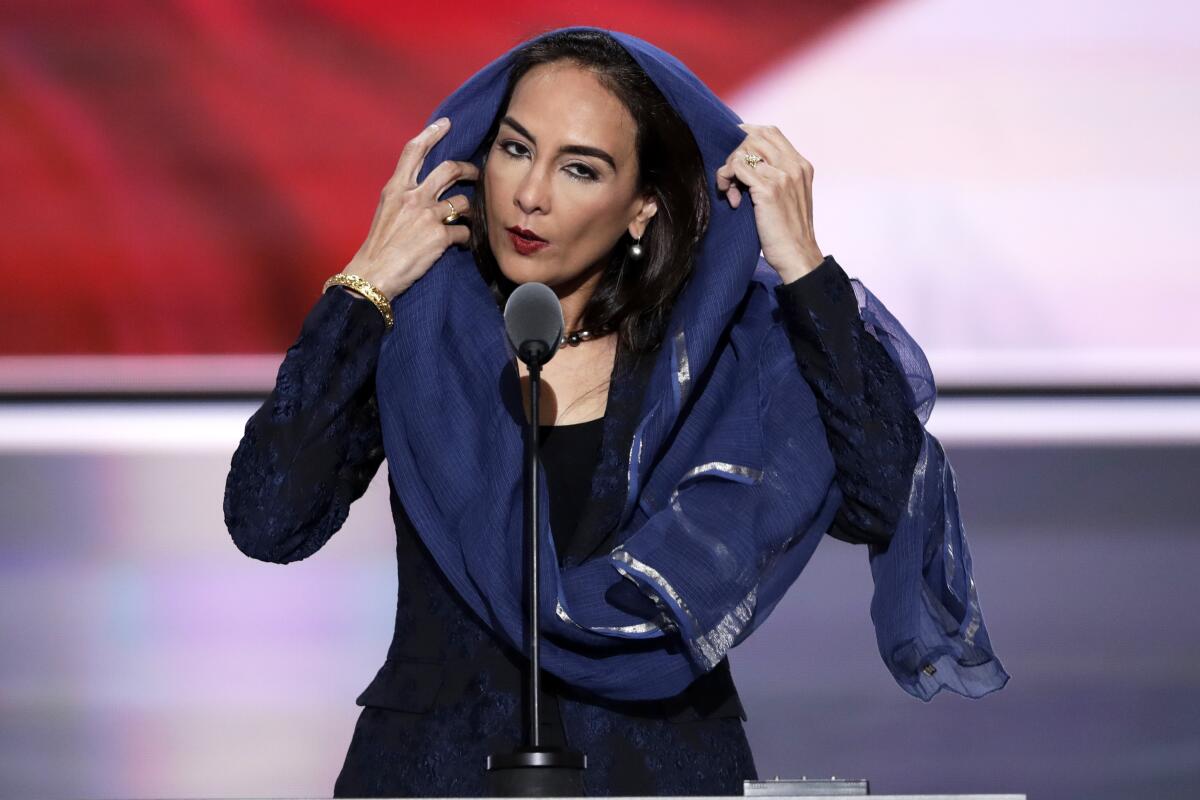
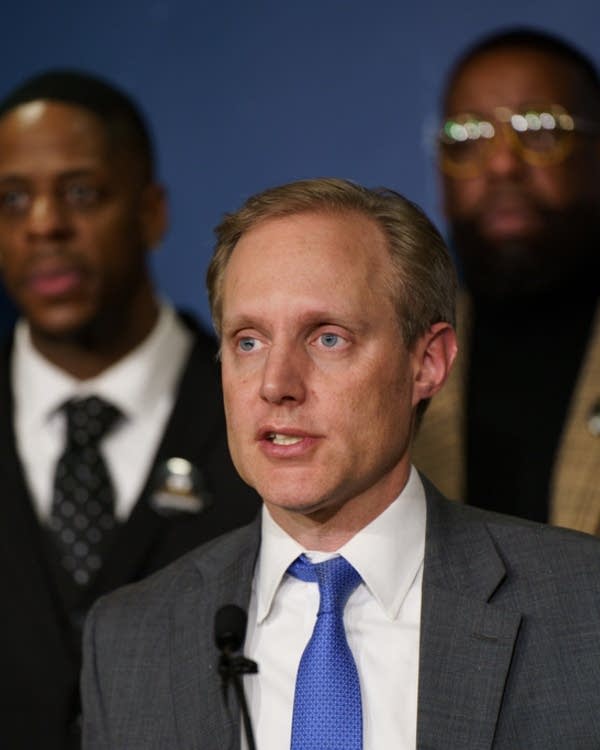
Assistant Attorney General Harmeet Dhillon has taken the lead in this federal inquiry, issuing a formal and urgent request for records from Minnesota Secretary of State Steve Simon. The demand is not merely a polite inquiry but a focused legal maneuver aimed at determining if Minnesota is in direct violation of the Help America Vote Act of 2002 (HAVA).
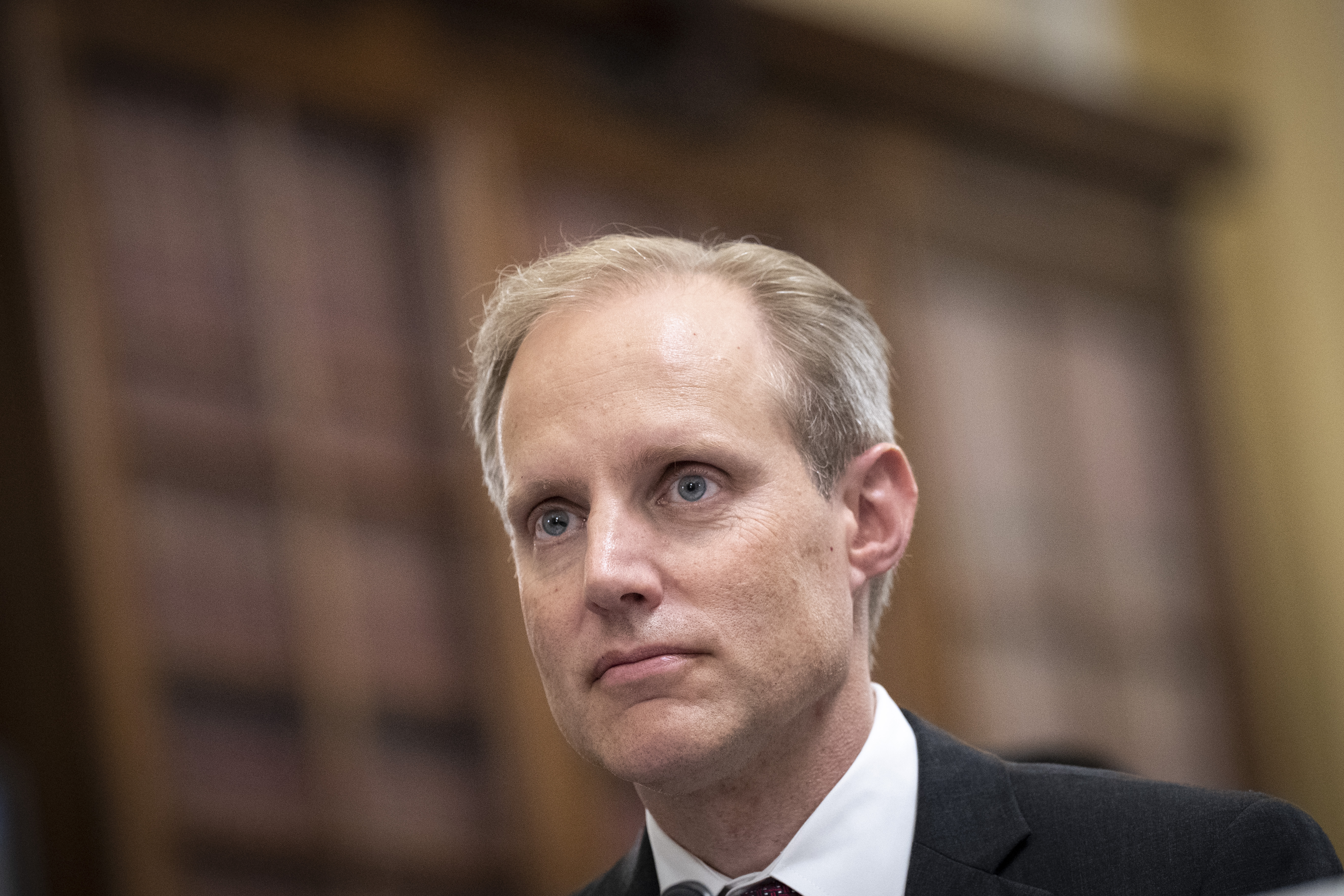
Dhillon’s letter to the state was pointed, noting that the vouching system appears “facially inconsistent” with the federal requirements designed to modernize and secure the nation’s voting systems. By requesting documentation from all federal elections over the last 22 months, the DOJ is looking to reconstruct a timeline of how many voters entered the system through this loophole.
The federal request specifically targets materials related to the 2024 primary and general elections, placing the most recent and relevant data under the microscope. This move has been met with significant praise from organizations like Early Vote Action, whose founder Scott Presler has been vocal about the need for more rigorous verification of voter rolls.
The push for transparency comes at a time when the public’s trust in electoral systems is under a magnifying glass, and the results of this audit could have profound consequences for the perceived legitimacy of the state’s political outcomes. If the records reveal a lack of compliance, the fallout could trigger a massive overhaul of how the state manages its voter rolls.
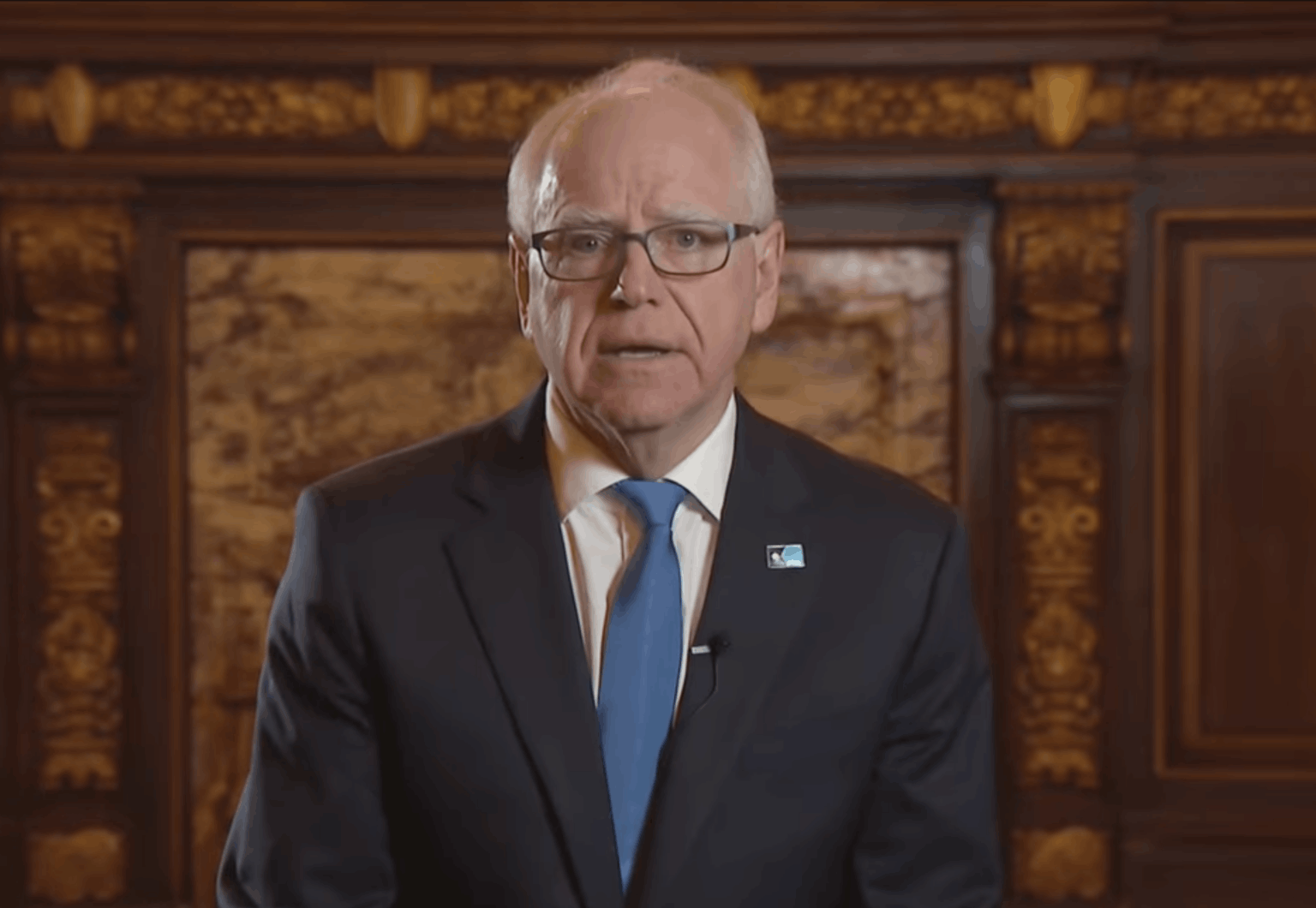
Adding a layer of intense personal and political drama to this legal battle is the emergence of a massive group of whistleblowers from within the Minnesota state government itself. Nearly 500 employees within the Department of Human Services have come forward, alleging that Governor Tim Walz was briefed on large-scale fraud but chose to ignore the warnings.
These employees have been operating an anonymous platform to share their experiences, painting a picture of a state government that prioritizes political expediency over fiscal and electoral accountability. They claim that the fraud isn’t limited to just voting, but spans across various state aid programs, particularly within certain communities where oversight is allegedly lax.
The allegations against the Governor’s office are particularly damning, with staff members claiming they faced systematic retaliation for trying to do their jobs and report irregularities. According to these insiders, the response from the administration was not one of partnership or investigation, but rather one of monitoring, threats, and active repression to keep the information from reaching the public.

This internal rebellion suggests that the issues in Minnesota are not merely a result of poor policy but are potentially the result of a deliberate culture of silence. When those responsible for administering public programs feel they cannot report fraud without losing their livelihoods, the entire structure of government integrity begins to crumble.
The connection between social services fraud and election integrity is a point of major concern for investigators, as the same lack of verification that allows for financial abuse can easily be applied to the ballot box. Bill Glahn of the Center for the American Experiment has highlighted the inherent weakness of a system that relies solely on the “penalty of perjury” without any real-time verification of facts.
Glahn famously noted that while perjury is illegal, it is rarely prosecuted in the context of voter registration because the system is designed to favor the speed of registration over the accuracy of the data. If a person signs an oath using a fake name or provides a false address, the state often lacks the resources or the political will to track down the offender once the election has concluded.
This “Mickey Mouse” loophole, as some have called it, creates a situation where the honor system is the only thing standing between a secure election and a fraudulent one. In an era where every vote counts and margins of victory are often razor-thin, the presence of thousands of “vouched” voters who have not provided traditional ID is a variable that many find unacceptable.
The involvement of the FBI, the Treasury Department, and the Department of Homeland Security indicates that the federal government sees this as more than just a minor administrative dispute. These agencies are currently conducting investigations into separate but related matters of financial misconduct and systemic abuse of state resources in Minnesota.
The convergence of these various federal probes suggests that a larger pattern of corruption is being unraveled, one that touches on the very foundation of how the state interacts with its citizens. The Secretary of State’s office continues to defend the system, insisting that safeguards are in place, but the growing mountain of whistleblower testimony and federal demands suggests otherwise.
As the 15-day deadline for the state to produce these records approaches, the tension in St. Paul is palpable, as officials realize that the eyes of the entire nation are watching their next move. The outcome of the Minnesota audit will likely serve as a bellwether for other states that utilize similar same-day registration and vouching practices.
If the DOJ finds that these practices do indeed violate federal law, it could force an immediate and nationwide shift toward stricter voter identification requirements. This would be a massive victory for those who have spent years arguing that the current system is far too vulnerable to organized efforts to influence outcomes through fraudulent registrations.
Ultimately, this showdown is about more than just paperwork and statutes; it is about the fundamental promise of a fair and transparent democratic process. When the rules for registration are seen as arbitrary or easily bypassed, the trust that binds a society together begins to fray, leading to the kind of polarization and suspicion we see today.
The brave whistleblowers who have risked their careers to expose these failures are the unsung heroes of this story, providing the catalyst for a federal intervention that many felt was long overdue. Their accounts of retaliation and suppressed reports serve as a sobering reminder of the costs of speaking truth to power in a highly charged political environment.
As this investigation unfolds, the public deserves to know the full extent of the irregularities that have been allowed to persist under the current administration. The demand for the vouching records is just the beginning of what promises to be a deep and potentially transformative look into the mechanics of Minnesota’s democracy.
Whatever the audit reveals, it is clear that the status quo is no longer sustainable, and the push for election integrity will continue to be a dominant force in American politics for years to come. The resolution of this conflict will set a precedent that will either reinforce the security of our elections or leave the door open for continued uncertainty.
Stay tuned as we continue to track the developments of this massive federal audit and the ongoing battle for the soul of the electoral process in Minnesota. The truth is coming to light, and the implications will be felt by every voter in the United States as we move toward the next chapter of our national story.