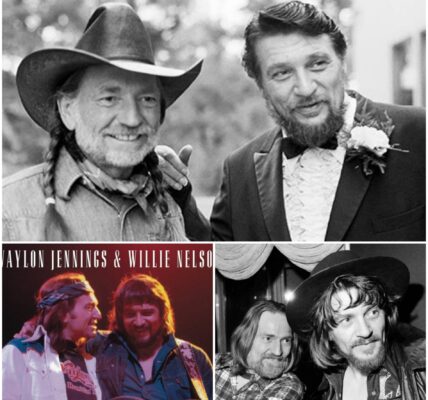

“Yellow Haired Woman” – Waylon Jennings: A Lonesome Portrait Painted in Song
A Quiet Corner of Waylon’s Early Years
Released in 1970 on the album Waylon, “Yellow Haired Woman” sits quietly in the early chapters of Waylon Jennings’ career. It arrived before the full force of the outlaw movement, before Jennings became synonymous with rebellion and defiance. Instead, this song reveals something far more subdued: a reflective songwriter searching for honesty within the rigid confines of Nashville’s system. It is not loud, polished, or confrontational—it is intimate, restrained, and deeply human.
At a time when Jennings was still navigating producer-controlled arrangements and commercial expectations, “Yellow Haired Woman” stands out as a glimpse of the emotional depth that would later define his most enduring work.

Mood Over Narrative
From the opening moments, the song establishes its power through atmosphere rather than story. “Yellow Haired Woman” is not built around dramatic events or detailed memories. There is no name, no clear timeline, no explanation. Instead, the song leans into feeling—an ache that lingers long after someone has gone.
The woman at the center of the song is more presence than person. Her golden hair becomes a symbol rather than a detail, representing memory, absence, and emotional residue. She is not described so much as felt. That restraint allows listeners to project their own experiences onto the song, making it quietly universal.
Waylon’s Voice: Resignation, Not Regret
Waylon Jennings’ vocal performance is understated but devastating in its honesty. He doesn’t push his voice or dramatize the pain. Instead, he sings with a calm steadiness that suggests acceptance rather than longing. This is not a man pleading for someone to return—it’s a man acknowledging that she never will.
There is no bitterness here. No anger. No desperation. What remains is resignation: the understanding that some people pass through our lives briefly, leave their mark, and disappear without explanation. Jennings delivers this realization with remarkable emotional control, proving that heartbreak doesn’t always need volume to be powerful.

A Song That Feels Like a Memory
Listening to “Yellow Haired Woman” feels less like hearing a performance and more like overhearing a private moment. The song carries the stillness of a late-night motel room or an empty road at dusk. It feels solitary, almost whispered, as if Jennings is playing it for himself rather than an audience.
This sense of isolation is central to the song’s impact. There is no attempt to resolve the emotion or tie it up neatly. The memory remains unresolved—just as real memories often are. That unfinished quality is what gives the song its lasting weight.
Hidden Within the Early Catalog
“Yellow Haired Woman” was never a hit, nor was it designed to be one. It didn’t dominate radio playlists or define an era. Instead, it became one of those songs that loyal listeners discover years later, buried within Waylon’s early catalog.
For fans who appreciate Jennings’ quieter, more introspective side, the song feels like a secret—an unguarded moment before fame, rebellion, and legend reshaped his public image. It reflects an artist already restless, already reaching for something more truthful than what the industry expected of him.

Why the Song Still Matters
More than five decades later, “Yellow Haired Woman” endures not because of commercial success, but because of emotional authenticity. It captures a feeling that never ages: the quiet ache of someone who mattered, left, and was never fully explained.
In a career often remembered for grit, defiance, and outlaw swagger, this song reminds listeners that Waylon Jennings’ greatest strength was his honesty. Long before he challenged Nashville’s rules, he was already challenging himself to tell the truth—softly, simply, and without disguise.
Final Reflection
“Yellow Haired Woman” is not a song that demands attention. It waits patiently for the right listener. When found, it reveals a lonesome portrait painted with restraint, humility, and emotional clarity.
It is Waylon Jennings at his most vulnerable—one man, one memory, and the quiet understanding that some stories don’t end with answers. And sometimes, that silence says everything.